
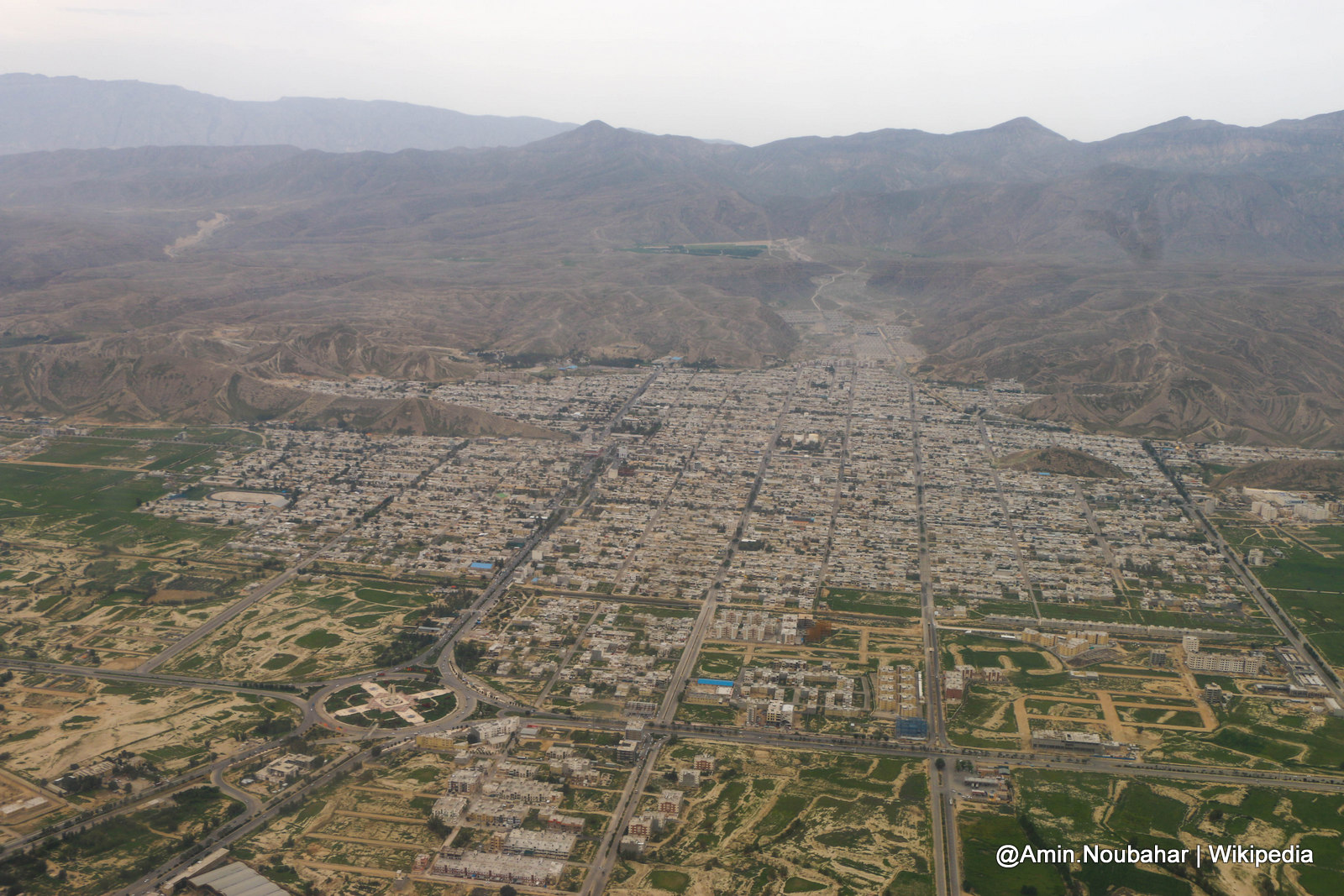
The region of Larestan, in the southern reaches of Fars province, is a land of distinctive culture, ancient architecture, and a climate that rewards those who visit in the cooler months with warm hospitality and a landscape of surprising beauty. At the heart of the city of Lar, the largest urban centre in the region, Chamran Park offers a welcome green retreat from the heat and bustle of the streets. Named after Dr. Mostafa Chamran, the Iranian scientist and national hero, this urban park is one of the principal recreational spaces for local residents and a pleasant stop for travellers passing through this often-overlooked corner of southern Iran. This guide covers what to expect, how to get there, and how to make the most of a visit.

Where is Chamran Park?
Chamran Park is located in the city of Lar, the main urban centre of Larestan in southern Fars province. Lar sits at an elevation of roughly 800 metres above sea level in a semi-arid plain surrounded by low hills. The city has a population of approximately 130,000 and serves as the commercial and cultural hub of a region that extends south toward the Persian Gulf coast. The climate is hot and dry for much of the year, with summer temperatures regularly exceeding 40 degrees, which makes the shaded, tree-lined pathways of Chamran Park a particularly valued resource for local residents.
Larestan has a distinct cultural identity within Fars province. The Lari people speak a dialect of Persian that preserves archaic features lost in the standard language, and the region's architecture, with its tall wind towers and covered bazaars, reflects centuries of adaptation to the hot climate. The city of Lar itself has a history stretching back to the pre-Islamic period, and it flourished as a trading centre on the routes connecting the Persian Gulf coast to the inland cities of Fars and Kerman. Chamran Park sits within this layered urban context, offering a modern recreational space in a city with deep historical roots.
What to See and Do in the Park
Chamran Park is designed as a multi-purpose urban green space, combining recreational facilities with areas for quiet relaxation. The park covers a generous area of mature trees, including native species adapted to the semi-arid climate, and the canopy they provide creates cool, shaded pathways that are a welcome contrast to the sun-baked streets outside.
Walking paths. The main pathways through the park wind among the trees and flower beds, offering a pleasant route for morning and evening strolls. In the cooler months, when the weather in Lar is mild and pleasant, the paths are busy with families, joggers, and elderly residents taking their daily walk. The shaded routes make exercise bearable even on warmer days.
Playgrounds and family areas. The park includes well-maintained playground equipment for children, with safety surfacing and a range of activities suitable for different age groups. Families are a constant presence, particularly on weekends and public holidays, and the park functions as an important social space where the community gathers.
Green spaces and picnics. Open grassy areas provide space for picnics and informal gatherings. Local families often arrive with homemade food, tea, and blankets, settling in for extended afternoon outings. The atmosphere is relaxed and welcoming, and visitors are likely to receive friendly greetings from local residents curious about travellers in this less-visited part of Iran.
Cultural events. The park occasionally hosts local cultural events, particularly around national holidays and religious festivals. These events may include traditional music performances, local craft displays, and food stalls offering regional specialties of Larestan cuisine.
The City of Lar and Its Attractions
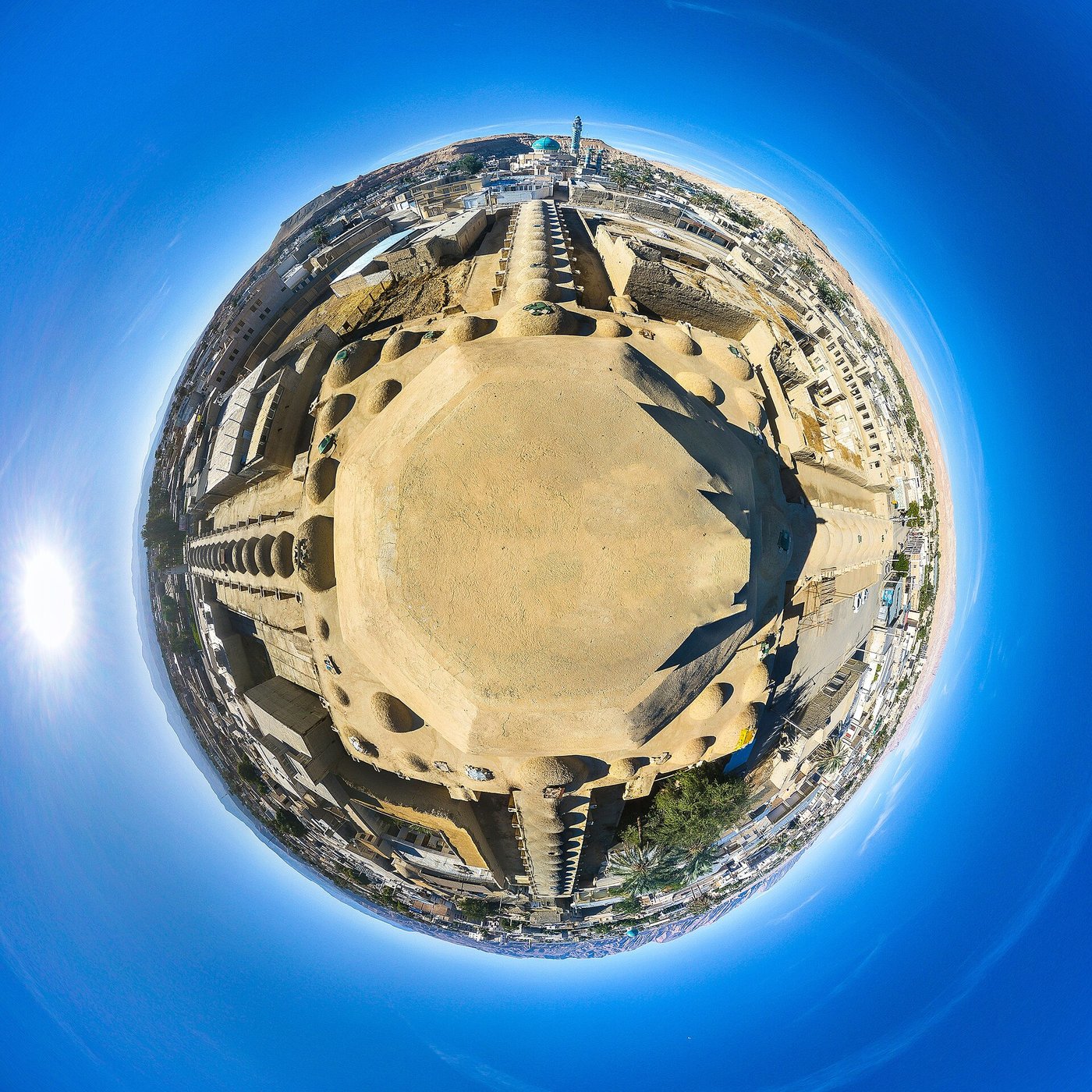
A visit to Chamran Park provides an opportunity to explore the city of Lar itself, which has several attractions worth the detour. The old bazaar of Lar is one of the most atmospheric in southern Iran, with covered passages, traditional merchant houses, and a vibrant trade in local goods including dates, spices, and handwoven textiles. The architecture of the bazaar reflects the commercial prosperity of Lar in the Safavid and Qajar periods, when the city was an important waypoint on the trade routes to the Persian Gulf.
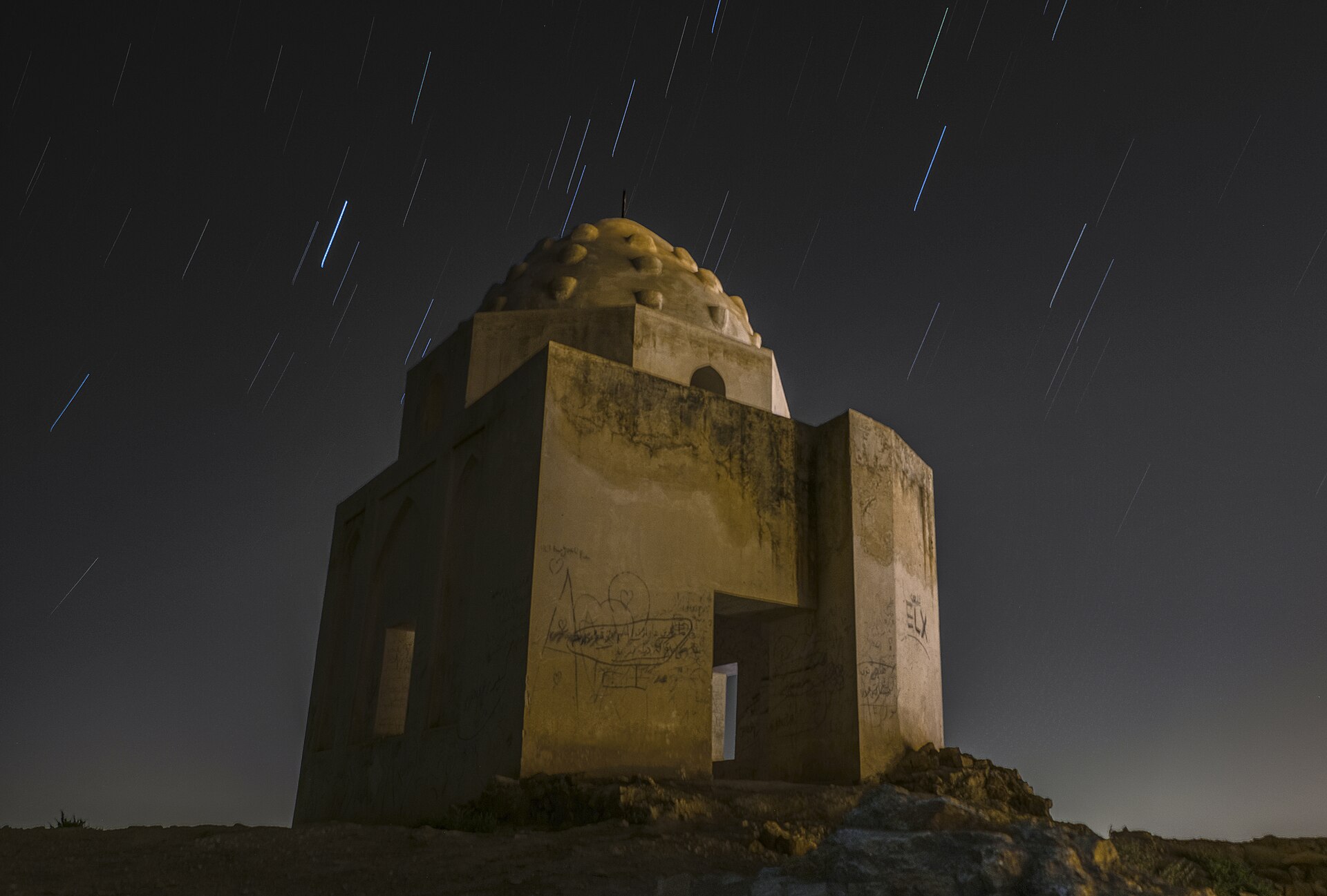
The nearby city of Bastak, about 100 kilometres south of Lar, is another destination of cultural interest, known for its distinctive architecture, its historical merchant class with trading connections across the Persian Gulf, and its role as a centre of the Khonji Ismaili community. The region between Lar and the coast is rich in small towns and villages with their own local traditions, dialects, and cuisines. Among the monuments of Lar itself, the mausoleum traditionally known as the tomb of Nader Shah's mother stands as a modest but beloved historic site, visited by locals and travellers interested in the city's past.
For travellers using Mehyar, the app can help identify accommodation options in Lar and arrange taxi transport for exploring the city and surrounding region. Hotels and guesthouses in Lar are modest but comfortable, and the local cuisine, with its emphasis on date-based dishes, seafood from the Gulf coast, and aromatic rice preparations, offers a distinctive taste of southern Fars.
Practical Information
Chamran Park is open to the public at all hours, with no entrance fee. The park is maintained by the Lar municipality, and basic facilities including toilets and drinking water fountains are available. The best time to use the park is in the early morning or late afternoon during the hot months, and throughout the day during the cooler winter season when the weather in Lar is at its most pleasant.
Photography is welcome, and the park provides good opportunities for capturing everyday life in a southern Iranian city. The mature trees, flowering shrubs, and the contrast between the green space and the surrounding arid landscape make for interesting images. Visitors should dress modestly, as is appropriate throughout Iran, and should be prepared for the warmth if visiting during the summer months.
How to Get There
Lar is accessible by road and air. The city has a regional airport with flights connecting to Tehran and other Iranian cities. By road, Lar is approximately 380 kilometres south of Shiraz via Route 65, a journey of about four to five hours. The road passes through diverse landscapes, from the fertile plains around Shiraz to the increasingly arid terrain of southern Fars.
By Mehyar Taxi. Within Lar, Mehyar taxi is the most convenient way to reach Chamran Park from any point in the city. The park is well known to local drivers, and a short ride from the city centre or the bazaar area will bring you directly to the main entrance.
By private car. If driving from Shiraz, follow Route 65 south through Kazerun and then east toward Lar. The road is well-maintained. Parking is available near the park entrances.
By bus. Intercity buses connect Lar to Shiraz, Bandar Abbas, and other major cities in the region. The bus station in Lar is located on the outskirts of the city, and a local taxi can complete the journey to Chamran Park.
Best Time to Visit
The climate of Larestan dictates the rhythm of life, and the best time to visit Chamran Park and the wider region is during the cooler months, from November through March. During this period, daytime temperatures are mild, ranging from 20 to 28 degrees, and the evenings are cool and pleasant. The park is at its most enjoyable in these months, with families and visitors taking full advantage of the outdoor space.
Spring, from March to April, brings brief bursts of green to the surrounding landscape and occasional wildflowers, though the season is short before the heat sets in. Summer, from May to September, is intensely hot, with temperatures regularly exceeding 40 degrees and occasionally reaching 45 or higher. During these months, the park is most usable in the early morning before sunrise heat or after sunset. If visiting Lar in summer, plan outdoor activities for the coolest hours and spend the midday in air-conditioned spaces.
Why Chamran Park Deserves a Stop
Travellers to Iran often focus on the major historical cities of the classic route, and southern Fars can seem peripheral to the main itinerary. But Lar and the Larestan region offer something different: a glimpse into the cultural diversity of Iran, a landscape shaped by the proximity of the Persian Gulf, and a pace of life that is slower and warmer than in the big cities. Chamran Park is the heart of this experience, a place where you can sit under the trees, drink tea with local families, and experience the genuine hospitality of southern Iran.
For those travelling between Shiraz and the Persian Gulf coast, or exploring the lesser-visited regions of Fars, Chamran Park provides a refreshing pause and an introduction to a side of Iran that few international travellers see. Use Mehyar to plan your route through Larestan, and give yourself the gift of a slower, warmer Iranian experience.