
Iranian Kurdistan is a land of high valleys, limestone ridges, and villages that cling to mountainsides as if grown from the rock. The province stretches across the western edge of the country, bordering Iraq, and its climate is shaped by the Zagros mountains that run through it like a spine. Winters are cold and snowy at altitude. Springs are spectacular, carpeting the hillsides with wildflowers. Summers are warm in the valleys and cool on the peaks. Autumns bring golden oak forests and harvest festivals. This guide explains when to visit Kurdistan and the Hawraman region, what each season offers, and how to plan your trip around weather, road conditions, and the rhythm of Kurdish life.
Spring: The Season of Wildflowers
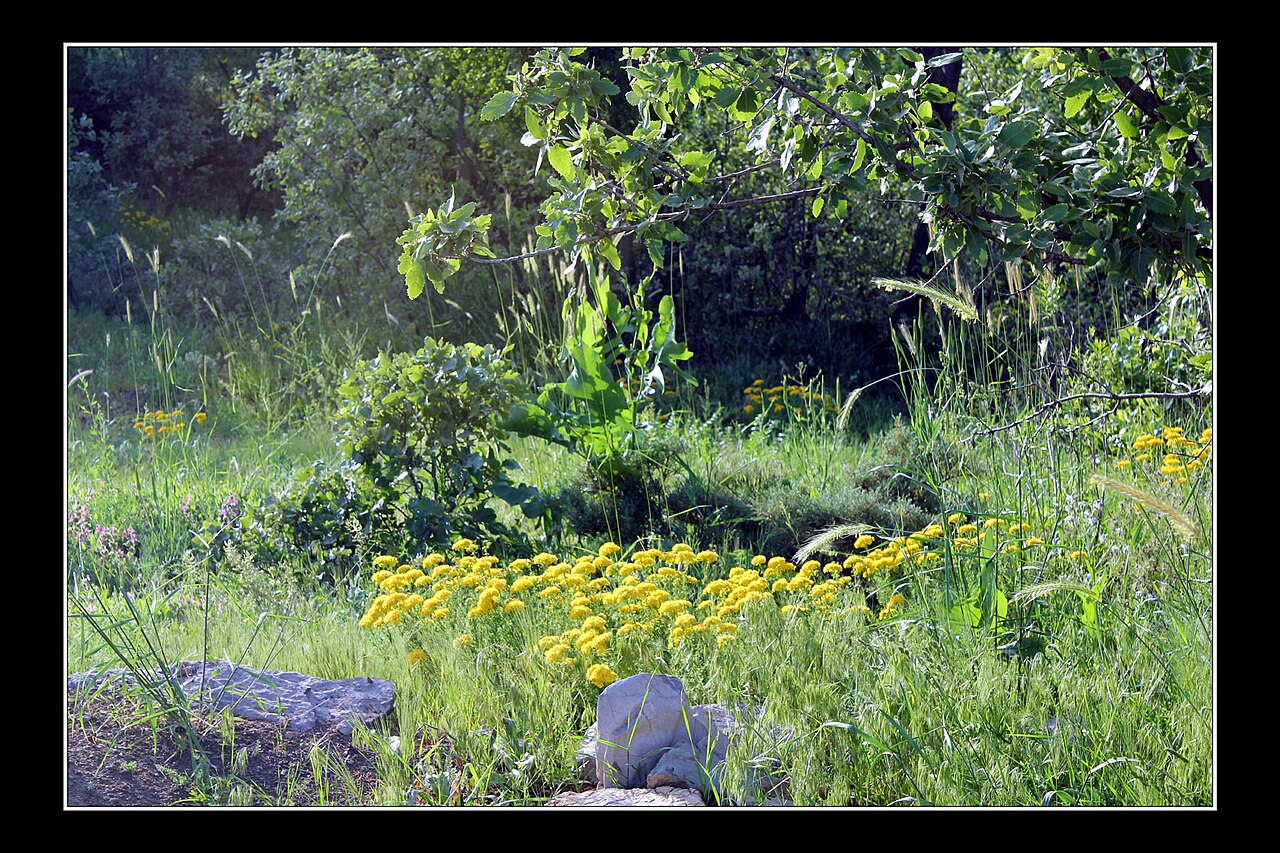
Spring is the single best season for visiting Iranian Kurdistan, and the window runs from mid-March through May. The snows that blanket the high passes through winter begin to melt in late March, and by early April the valleys around Sanandaj, Marivan, and the Hawraman district explode with colour. Tulips, poppies, irises, and the wildflowers that the Kurds call "the breath of the mountain" cover every slope. The landscape is at its greenest and most vivid in April, when the streams are full from snowmelt and the air smells of wet earth and blossom.
This is also the season when Kurdish villages are most alive. Shepherds move their flocks to the high pastures, farmers prepare the terraced fields, and the roads between villages are busy with people travelling to markets and weddings. If you want to experience Kurdish culture at its most vibrant, spring is the time.
The weather in spring is mild and changeable. Days in April and May are warm, around eighteen to twenty-five degrees Celsius, but mornings and evenings can be cool, especially in the higher villages of Hawraman where the elevation exceeds two thousand metres. Rain is possible, particularly in March and early April, and the mountain roads can be muddy or slippery after a downpour. A light waterproof jacket and sturdy shoes are essential.
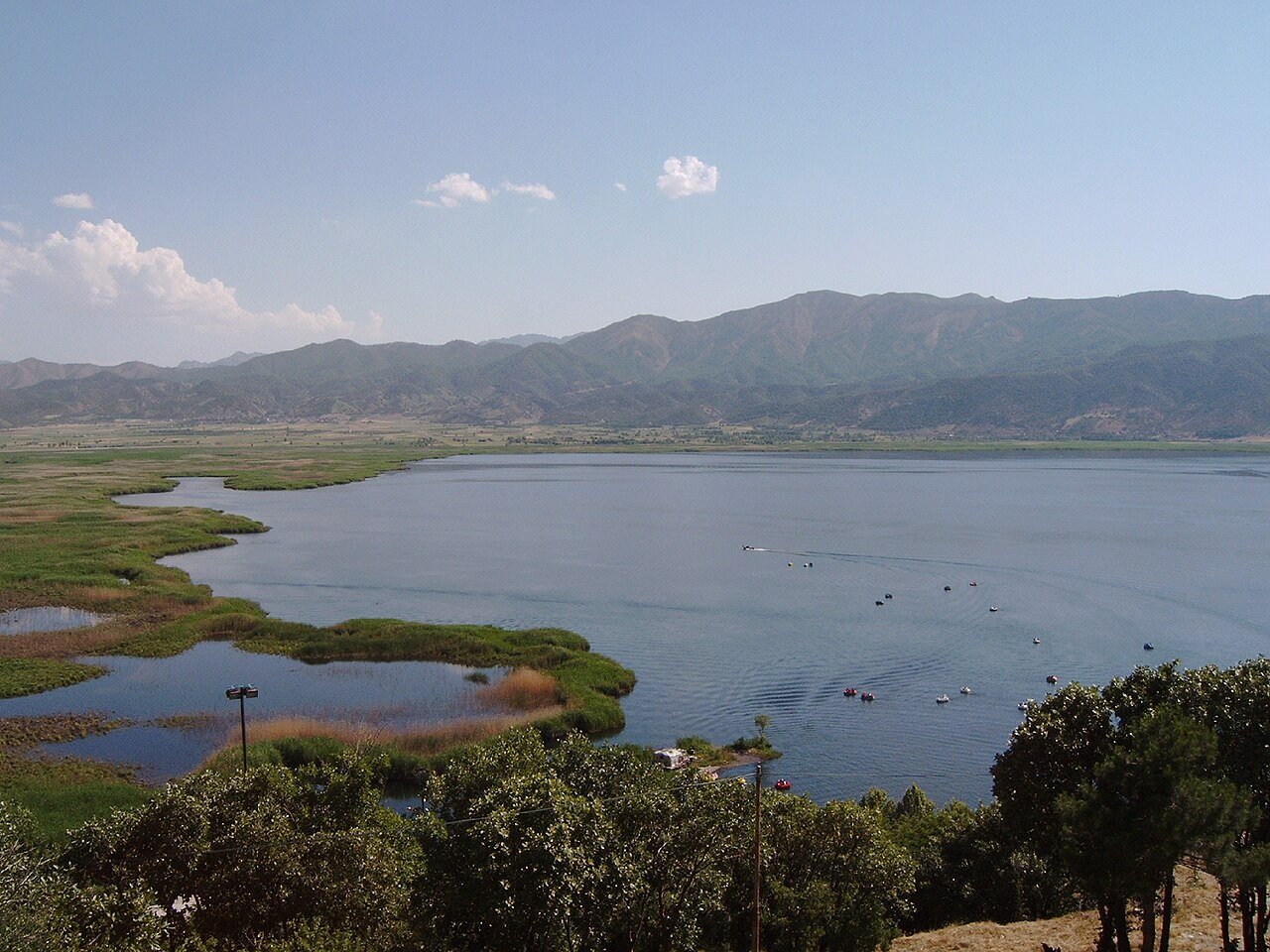
Nowruz, the Kurdish and Persian New Year on 21 March, is the biggest celebration of the year. In Kurdistan, Nowruz is not just a holiday but a cultural event that brings communities together for picnics, music, traditional dances, and the lighting of fires on hilltops. The city of Sanandaj and the towns around Lake Zarivar near Marivan are especially festive. Visiting during Nowruz is a memorable experience, but expect crowded roads, full hotels, and the need to book well in advance.
Summer: Mountains, Trekking, and Cool Retreats
Summer in Kurdistan is warm in the valleys but cool at altitude, making it the ideal season for mountain trekking and highland exploration. From June through August, the Zagros peaks around Hawraman and the villages above Sarvabad offer some of the best trekking in Iran, with trails that pass through oak forests, alpine meadows, and remote Kurdish villages where hospitality is offered without question.
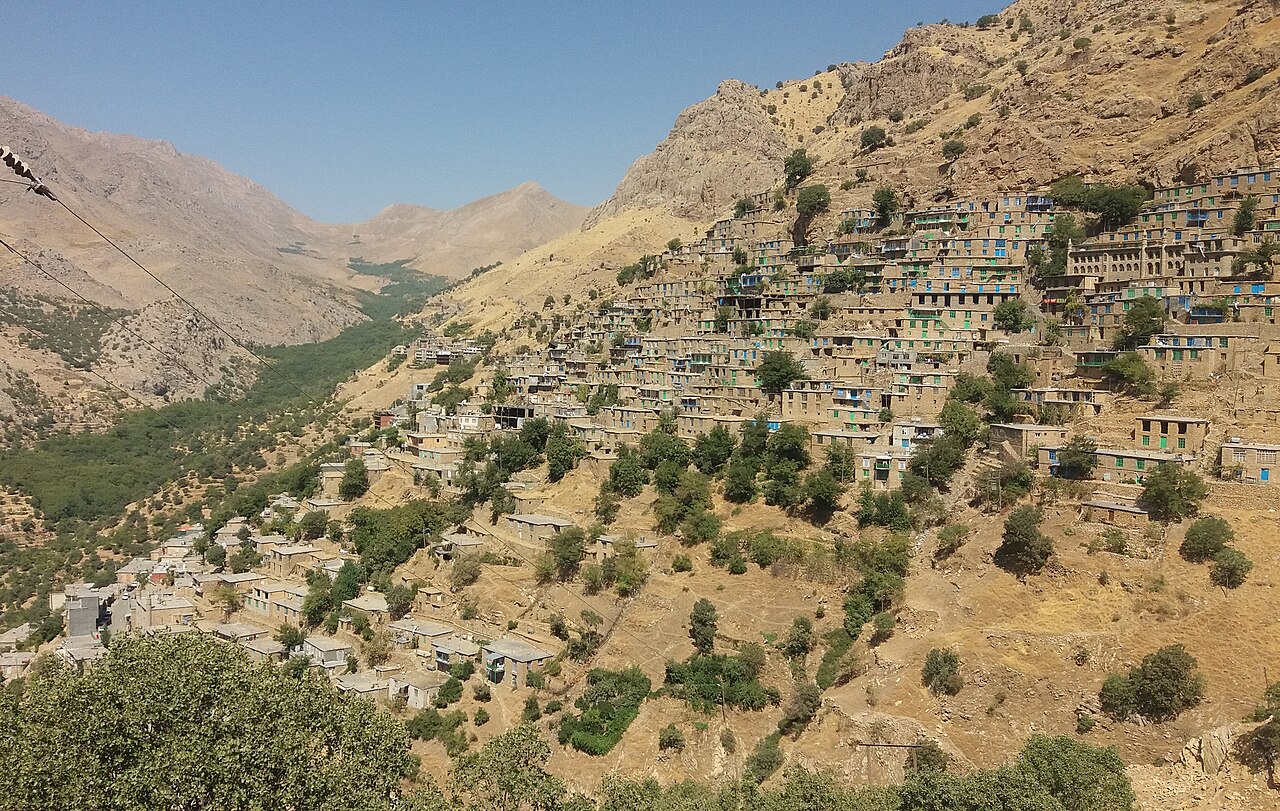
The key advantage of summer is access. The mountain passes that may be closed or dangerous in winter and early spring are fully open, and the roads to the highest villages, including Uraman Takht, are clear and drivable. The stepped architecture of Uraman Takht, where the roof of each house serves as the courtyard of the one above it, is most impressive in summer when the village is active and the terraces are green with potted plants and drying herbs.
Daytime temperatures in the lower valleys around Sanandaj reach the low to mid-thirties in July and August, but the higher villages and mountain passes stay in the mid-twenties, and nights are cool. This is the season when Kurdish families from the cities head to the mountains for weekend picnics and the villages fill with the sound of traditional music and the smell of grilled kebabs.
Summer is also the harvest season. Walnuts, almonds, and the famous Kurdish honey are at their best from late July through August. The villages around Marivan and Sarvabad hold small harvest gatherings, and the local markets are full of fresh produce and dried fruits.
Pricing in summer is moderate. Hotels in Sanandaj and Marivan are not at their cheapest, but they are far less expensive than in the Nowruz peak. Eco-lodges and homestays in the Hawraman villages are available at reasonable rates, and the trekking guides who operate from Sarvabad are easy to book.
Autumn: Oak Forests and Harvest Light
Autumn in Kurdistan is brief but stunning. From late September through November, the oak forests that cover the Zagros slopes turn from deep green to shades of gold, amber, and rust. The light in October is warm and low, ideal for photography and for walking the trails around Hawraman and the villages above Marivan.
The weather in autumn is cool and mostly dry. Days in October range from fifteen to twenty-two degrees, and nights begin to get cold, especially at altitude. By November, the first frosts arrive in the higher villages, and the mountain roads can become icy in the early mornings. The window for comfortable visiting runs from late September through mid-November, with October as the peak month.
Autumn is the season of pomegranates and grapes. The orchards around Marivan and the villages near Lake Zarivar produce pomegranates that are celebrated across Iran, and the vineyards in the hills above Sanandaj yield grapes that are dried into raisins or pressed into syrup. Local markets in October and November are full of the season's produce, and the Kurdish tradition of making dolma and stuffed vine leaves uses the last of the autumn harvest.
Tourist crowds are at their lowest in autumn, and hotels and eco-lodges offer their best rates outside of Nowruz. This is the season for travellers who want solitude, good weather, and the chance to see Kurdistan without the spring crowds or the summer heat.
Winter: Snow, Silence, and Mountain Solitude
Winter in Kurdistan is cold and snowy, particularly in the high villages of Hawraman and the areas above two thousand metres. Sanandaj itself sees regular snowfall from December through February, and temperatures drop well below freezing at night. The mountain roads between Sanandaj and the Hawraman valley can be blocked by snow, and some passes are closed entirely from January through March.
Despite the challenges, winter has a stark beauty. The Zagros mountains under snow are dramatic, and the villages of Hawraman, with their stone houses built into the mountainside, look almost mythical when covered in white. For photographers and adventurers who are equipped for cold weather and rough roads, a winter visit offers a perspective on Kurdistan that almost no tourist ever sees.
Winter is the low season for tourism, and prices are at their lowest. Hotels in Sanandaj and Marivan offer deep discounts, and the few eco-lodges that remain open in the Hawraman valley are inexpensive. However, visitors must be prepared for limited services, possible road closures, and the need for a vehicle with snow chains or four-wheel drive.
Month by Month Breakdown
March. Snow is still falling in the high passes, but the lower valleys around Sanandaj are beginning to warm. Late March brings the first wildflowers and the lead-up to Nowruz. Roads to Hawraman may still be blocked by snow. Nowruz on 21 March is the biggest celebration of the year, with festivals, music, and fires on hilltops across the province.
April. The best month for wildflowers and green landscapes. The valleys around Marivan and Hawraman are carpeted in colour. Weather is mild and changeable with possible rain. Hotels are busy and must be booked in advance. The most popular month for visitors.
May. Still beautiful, with wildflowers at their peak in the first half of the month. The weather warms, and the mountain roads are fully open. A slightly less crowded alternative to April.
June. The transition to summer. Lower valleys are warm, but the highlands are cool and inviting. Trekking season begins. Hotels are moderately priced.
July and August. Peak summer. Valleys are hot, mountains are cool. The best season for high-altitude trekking and visiting Uraman Takht. Harvest season for walnuts and honey. Eco-lodges and homestays are available at reasonable rates.
September. The heat begins to ease. Early September is still warm in the valleys, but the highlands are comfortable. The first signs of autumn colour appear in the oak forests by late month.
October. The second best month after April. Weather is cool and pleasant, autumn colours are vivid, and the light is ideal for photography. Tourist crowds are thin. Highly recommended for all types of visitors.
November. Cooling further. First frosts in the higher villages. The oak forests reach peak colour in the first two weeks. Good value, but some mountain roads may become icy.
December. Winter begins. Snow falls regularly, and mountain roads become unreliable. Cold nights and short days. The low season with the lowest prices.
January and February. The coldest months. Heavy snow in the highlands. Some passes are closed. The villages of Hawraman are covered in snow and mostly quiet. Only for well-equipped adventurers.
Road Conditions and Access
The capital of Kurdistan Province is Sanandaj, and most visitors arrive by air or by road from Tehran or Kermanshah. The drive from Tehran to Sanandaj takes roughly six to seven hours on good roads, and the route passes through the scenic foothills of the Zagros.
From Sanandaj, the road to Marivan runs west through rolling farmland and takes about two hours. From Marivan, the road into the Hawraman valley follows the Sirwan River south through a dramatic gorge, passing the border checkpoint and climbing into the mountains. The road to Uraman Takht is narrow and winding but paved, and is generally passable from May through November. In winter and early spring, snow and ice may close sections of the road, and four-wheel drive or chains are recommended.
Booking your transport through Mehyar ensures you have reliable connections between Tehran, Sanandaj, and Marivan, and the Mehyar planner can help you time your visit to coincide with the best road conditions. For those flying in, Mehyar Flights connects Tehran to Sanandaj, and the short flight saves several hours of driving.
Cultural Events and Festivals
Kurdistan's calendar of events is tied to the seasons and to the agricultural cycle. Nowruz in late March is the biggest celebration, with public holidays, music, and traditional dances in every town and village. In April and May, local festivals celebrate the blooming of wildflowers and the return of shepherds to the pastures. In late summer, harvest festivals in the villages around Marivan and Sarvabad mark the gathering of walnuts, honey, and grapes.
For travellers who want to combine nature with culture, the Nowruz period and the spring wildflower season offer the richest experience. For those who prefer outdoor adventure and trekking, summer and early autumn provide the best conditions and the most reliable road access.
The Bottom Line
The best time to visit Kurdistan and the Hawraman region depends on what draws you to this corner of Iran. For wildflowers, cultural festivals, and the full spectacle of spring, April is the peak month. For mountain trekking, harvest season, and warm evenings in the high villages, July and August are ideal. For autumn colours, solitude, and the best photography light, October is unmatched. For snow-covered mountains and a truly off-season experience, winter offers stark beauty for those who are prepared.
Whatever season you choose, Kurdistan rewards visitors with a landscape that feels ancient and a culture that is warm and welcoming. Plan your timing around the weather and road conditions, book through Mehyar for transport and accommodation, and allow enough time to drive the mountain roads slowly. The Hawraman valley, with its terraced villages and rushing rivers, is one of the most striking landscapes in Iran, and the right season will make it unforgettable.