
Iran's history stretches back more than two and a half millennia, from the founding of the Achaemenid Empire by Cyrus the Great in 550 BC to the Islamic Revolution of 1979 and beyond. That extraordinary span has attracted filmmakers, historians, and cultural institutions from around the world, producing a body of documentary work that is rich, varied, and often deeply moving. Whether you are a history student, a traveller planning a trip to the ruins of Persepolis, or simply someone curious about the civilization that shaped the Persian Gulf region and the broader Middle East, these documentaries offer a window into Iran's past that goes far beyond textbooks.
This guide covers the best Iranian historical documentaries available today, organized by era and theme. Each entry includes the title, director or production company, year of release where known, and a summary of what you will learn. The list includes productions by Iranian filmmakers, Western broadcasters, and international streaming platforms.
Ancient Persia: The Achaemenids and the World's First Empire
Iran: The Forgotten Glory
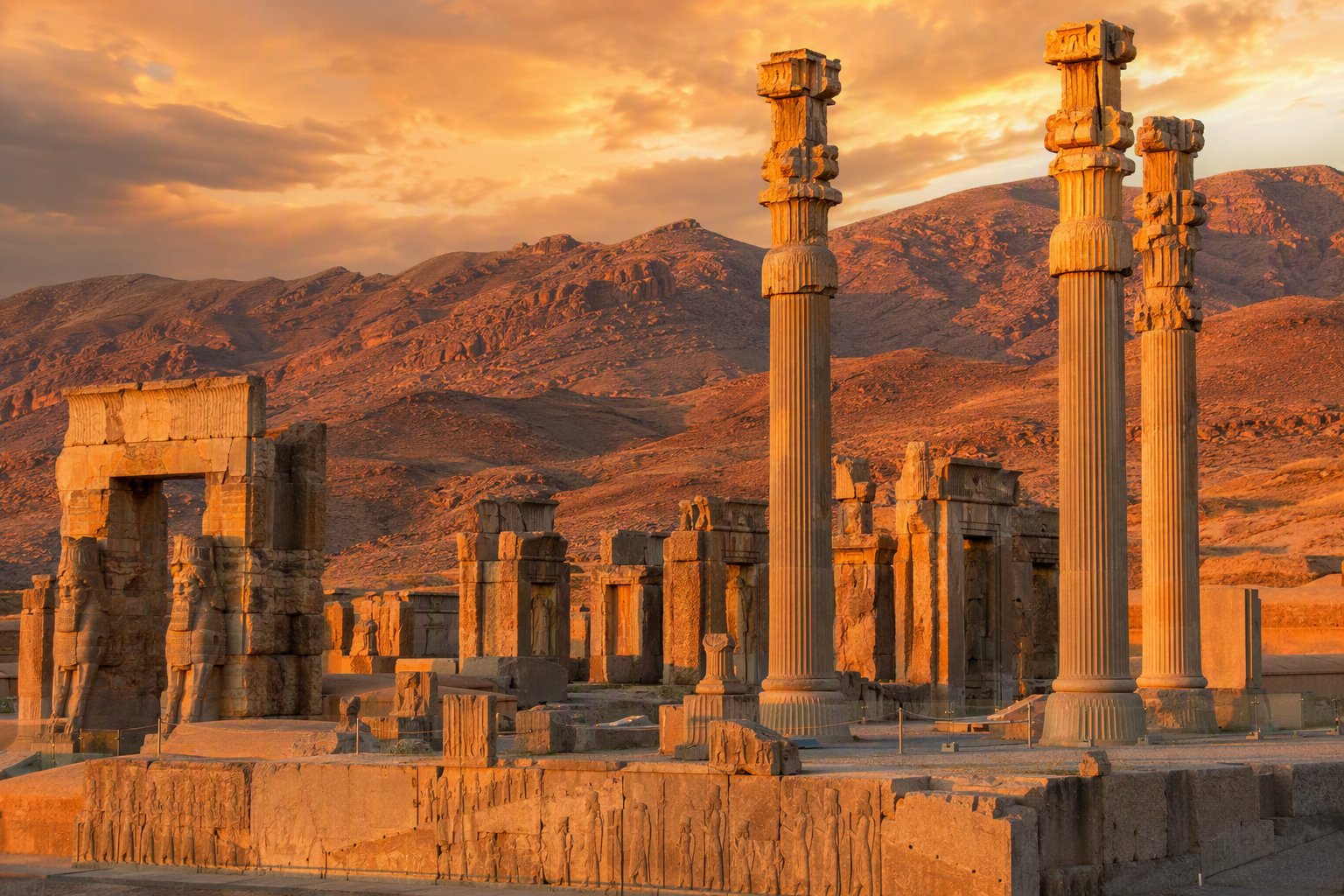
One of the most ambitious documentaries about ancient Persia is "Iran: The Forgotten Glory," produced by the Iranian filmmaker Mohammad Bozorgnia and released in 2009. The film traces the history of the Iranian plateau from the earliest Elamite civilizations through the rise and fall of the Achaemenid, Parthian, and Sassanid empires. It draws on archaeological evidence, interviews with historians, and sweeping footage of sites like Persepolis, Pasargadae, Susa, and Naqsh-e Jahan Square in Isfahan. The documentary was screened at several international film festivals and is available on Netflix in select regions. It runs approximately two hours and is narrated in both Persian and English.
What makes this film stand out is its scope. Rather than focusing on a single dynasty or battle, it attempts to tell the story of Iranian civilization as a continuous thread, linking the contributions of the ancient empires to the cultural achievements of the Islamic period. The cinematography of Persepolis at dawn, with the camera moving slowly past the surviving columns of the Apadana Palace, is genuinely breathtaking.
The Persians: A History of Iran
"The Persians: A History of Iran" is a documentary series produced for Apple TV+ that examines the rise and legacy of the Persian Empire from the perspective of its own people and records. The series draws heavily on primary sources including the Behistun Inscription, the Cyrus Cylinder, and the accounts of Greek historians like Herodotus and Xenophon, while also incorporating modern archaeological findings and interviews with leading scholars of ancient Near Eastern history.
The series is notable for its balanced approach. It does not shy away from the darker chapters of imperial expansion, including the treatment of conquered peoples and the costs of endless warfare with Greece and Rome. At the same time, it gives due credit to the administrative innovations of the Achaemenids: the postal system, the satrapy system of provincial governance, the construction of the Royal Road, and the early declarations of human rights associated with Cyrus the Great.
Persepolis: The Fall and Rise of a Capital
Several documentaries have focused specifically on Persepolis, the ceremonial capital of the Achaemenid Empire destroyed by Alexander the Great in 330 BC. The site, located near modern-day Shiraz in Fars Province, is one of the most visited archaeological sites in Iran and a UNESCO World Heritage Site. Documentaries about Persepolis typically combine aerial footage of the ruins with computer-generated reconstructions of what the palace complex looked like in its heyday, when delegations from twenty-three nations brought tribute to the Persian king.
The British Museum and the BBC have both produced short documentaries about Persepolis, often centered on specific artifacts like the Oxus Treasure or the Persepolis Fortification Tablets. These shorter films, typically thirty to sixty minutes, are excellent introductions to the site and are available on YouTube and the BBC iPlayer.

The Islamic Era: Conquest, Culture, and Transformation
Iran and the Rise of Islam
The Arab conquest of Persia in the seventh century AD is one of the most transformative events in Iranian history. Several documentaries explore this period, examining how the Sassanid Empire fell to the expanding Muslim armies and how Persia gradually adopted Islam while maintaining its distinct cultural identity. The documentary "The Islamic Conquest of Persia," produced as part of the "Empires" series by PBS, examines the military campaigns, the political context of the Sassanid decline, and the long cultural aftermath.
What makes this era fascinating for documentary filmmakers is the tension between destruction and renewal. The conquest brought an end to a 400-year-old empire, but it also initiated a golden age of Persian literature, science, and philosophy. The poets Ferdowsi, Rumi, Hafez, and Saadi all emerged in the centuries after the Arab conquest, writing in Persian but drawing on Islamic and pre-Islamic traditions.
The Safavid Empire: Iran's Renaissance
The Safavid dynasty, which ruled Iran from 1501 to 1736, is another period that has inspired documentary attention. The Safavids established Twelver Shia Islam as the state religion, unified the Iranian plateau under a single political authority for the first time in centuries, and transformed Isfahan into one of the most beautiful cities in the world. The construction of Naqsh-e Jahan Square, the Imam Mosque, and the Ali Qapu Palace all date from this period.
Documentaries about the Safavids often center on Isfahan's architecture, using the city's surviving monuments as a lens through which to understand the dynasty's ambitions. The 2016 film "Isfahan: Half the World" (a translation of the Persian saying "Esfahan nesf-e jahan") explores the square and its surrounding buildings through the eyes of seventeenth-century European visitors, including the French jeweler Jean Chardin and the Portuguese explorer Pedro Teixeira.
Modern Iran: The Qajars, the Pahlavis, and the Revolution
Iran: The Last Great Emperor
The transition from the Qajar dynasty to the Pahlavi era in the early twentieth century is a period of immense change that several documentaries have attempted to capture. The rise of Reza Shah, his modernization program, the construction of the Trans-Iranian Railway, and his eventual abdication during the Allied invasion of 1941 are all covered in films like "Reza Shah: The Founder," an Iranian production that examines the shah's legacy through archival footage and interviews with historians.
The 1953 Coup and Its Aftermath
Perhaps no single event in modern Iranian history has generated more documentary attention than the 1953 coup that overthrew Prime Minister Mohammad Mossadegh. The CIA- and MI6-backed operation, known as Operation Ajax, restored Shah Mohammad Reza Pahlavi to power and set Iran on a path that would lead, a quarter-century later, to the Islamic Revolution. The documentary "Coup 53," directed by Taghi Amirani and released in 2019, is one of the most compelling films on this subject. Using newly discovered archival footage and interviews with key figures, the film reconstructs the events of August 1953 with the tension of a political thriller.
"Coup 53" was selected for multiple film festivals and received widespread critical acclaim for its meticulous research and gripping narrative. It is essential viewing for anyone who wants to understand the roots of the Iran-West relationship in the modern era.
The Islamic Revolution of 1979
The Islamic Revolution, which saw the overthrow of the Pahlavi monarchy and the establishment of the Islamic Republic under Ayatollah Khomeini, is the subject of numerous documentaries. "The Iran Revolution: Then and Now," produced by the BBC, offers a comprehensive overview of the events leading up to the revolution, the mass protests, and the immediate aftermath. The film includes rare footage of the demonstrations in Tehran and interviews with participants on all sides of the political spectrum.
For a more personal perspective, the animated documentary "Persepolis," directed by Marjane Satrapi and released in 2007, tells the story of a young girl growing up during and after the revolution. While technically a feature film rather than a documentary, it is based on Satrapi's autobiographical graphic novel and draws heavily on real events and personal experience. It is one of the most emotionally powerful accounts of revolutionary Iran available in any format.
Cultural and Archaeological Documentaries
The Cyrus Cylinder: The First Charter of Human Rights
The Cyrus Cylinder, a clay artifact from 539 BC inscribed with a declaration by Cyrus the Great after his conquest of Babylon, is often described as the first charter of human rights. The British Museum, which houses the original cylinder, has produced a short documentary exploring its historical context, its discovery in 1879, and its significance as a symbol of tolerance and religious freedom. The film includes interviews with curators and historians who discuss the cylinder's relevance to modern discussions of human rights.
Iran's Living Heritage: Nomads, Crafts, and Traditions
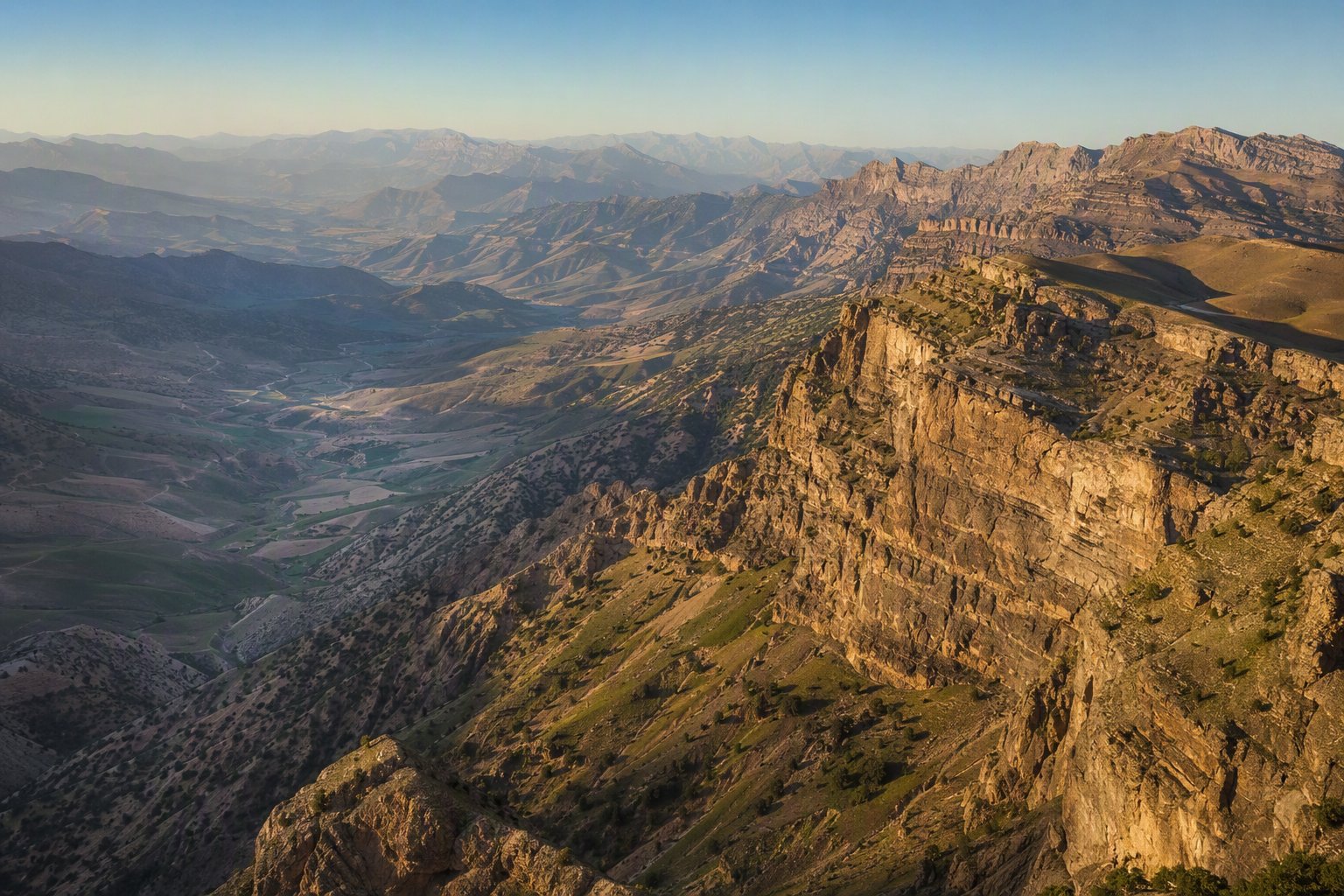
Beyond the political and military narratives, several documentaries focus on Iran's living cultural heritage. The nomadic tribes of Iran, including the Qashqai, the Bakhtiari, and the Baluch, have been the subject of films that document their seasonal migrations, their textile traditions, and their music. "Grass: A Nation's Battle for Life," originally shot in 1925 by Merian C. Cooper and Ernest B. Schoedsack, is one of the earliest ethnographic documentaries ever made. It follows the Bakhtiari tribe's annual migration across the Zagros Mountains and remains a landmark in the history of documentary filmmaking.
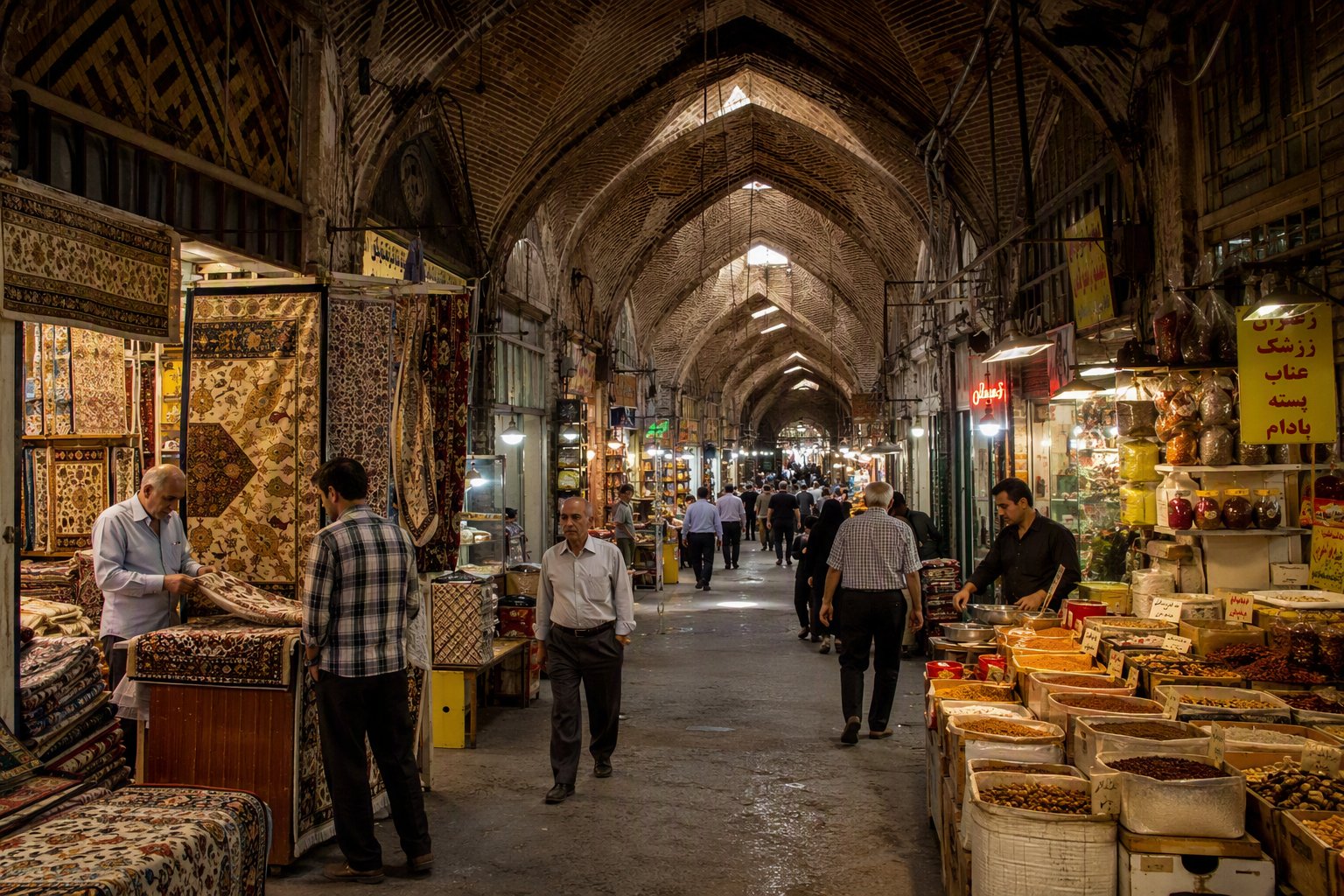
More recent films have documented the traditional crafts of Iran: the carpet-weaving workshops of Tabriz and Kashan, the metalwork of Isfahan, the pottery of Lalejin in Hamedan Province. These films offer a different kind of historical perspective, showing how cultural practices have survived and adapted across centuries of political change.
Where to Watch
Many of these documentaries are available on streaming platforms. Netflix carries "Iran: The Forgotten Glory" in select regions. Apple TV+ offers "The Persians: A History of Iran." The BBC iPlayer has a rotating selection of Iran-related documentaries, and YouTube hosts a wealth of shorter films, lectures, and archival footage. For Iranian productions, check the platforms of IRIB (Islamic Republic of Iran Broadcasting), which maintains an archive of historical documentaries produced over the past four decades.

Why These Documentaries Matter
Iran's history is often reduced in Western media to the political headlines of the past forty years. These documentaries offer something more nuanced and more valuable: a sense of depth, continuity, and cultural richness that stretches far beyond any single political era. They remind us that the country of Cyrus the Great and Ferdowsi, of Isfahan's mosques and Shiraz's gardens, is the inheritor of a tradition that has shaped the world in ways that are still being discovered and understood.
If you are planning a trip to Iran, watching even one or two of these films before you go will transform your experience. Standing among the columns of Persepolis, you will see them differently if you have watched "Iran: The Forgotten Glory." Walking through Isfahan's Naqsh-e Jahan Square, you will appreciate it more if you have seen "Isfahan: Half the World." And understanding the 1953 coup will make the modern city of Tehran, with its contradictions and its energy, far more comprehensible.
For travel planning and hotel bookings in the cities mentioned in these documentaries, Mehyar Hotels provides listings across Iran's major historical destinations, from Shiraz to Isfahan to Tehran. Pair your viewing with a visit to the places where history was made.