
Lorestan province sits in the heart of the Zagros Mountains in western Iran, and it holds one of the most dramatic natural landscapes in the entire country. Cascading waterfalls plunge through oak forests, turquoise lakes nestle beneath alpine peaks, and ancient castles perch on cliffs above rushing rivers. Despite all this beauty, Lorestan remains one of Iran's most underrated travel destinations, visited mostly by domestic tourists and a handful of adventurous travellers who know where to look. This guide covers the best attractions in Lorestan, from the famous waterfalls to the hidden canyons and historical gems.
Bisheh Waterfall: The Crown Jewel of Lorestan
No list of Lorestan attractions can begin with anything other than Bisheh Waterfall. Located about 60 kilometres from Khorramabad in Dorud County, near the village of Bisheh, this waterfall drops 48 metres in a series of cascades through dense Zagros oak forest. The water comes from the Bisheh River, a tributary of the larger Sezar River system, and the volume peaks in spring when snowmelt swells the flow.
What makes Bisheh special is the setting. The waterfall tumbles over mossy rock into a shallow pool surrounded by ancient trees, ferns, and wildflowers. The Trans-Iranian Railway passes nearby, and the historic Bisheh Railway Station, built during the Pahlavi era, adds an unexpected touch of industrial heritage to the natural scene. You can reach the falls by car from Khorramabad in about an hour, following the road toward Dorud and then turning onto the village track. The path from the car park to the base of the falls is short but steep, so wear sturdy shoes.
Bisheh is free to visit and accessible year-round, though spring and early summer offer the most impressive water flow and the greenest forest canopy.
Nozhian Waterfall: A Hidden Gem Near Khorramabad
Closer to the provincial capital, Nozhian Waterfall sits just 38 kilometres southeast of Khorramabad in Papi District. The waterfall drops from a significant height through a narrow gorge, surrounded by medicinal herbs and wild plants that grow on the rocky slopes. Locals have long valued the area for its therapeutic qualities, and some herbalists still harvest plants from the gorge for traditional remedies.
Reaching Nozhian requires a combination of driving and hiking. You can reach the vicinity by car, but the final stretch to the waterfall involves roughly two hours of walking along a mountain trail. The effort is rewarded by the sense of solitude and the raw beauty of the surrounding Zagros landscape. Few international tourists make it here, which adds to the appeal.
Falak-ol-Aflak Castle: The Fortress Above Khorramabad
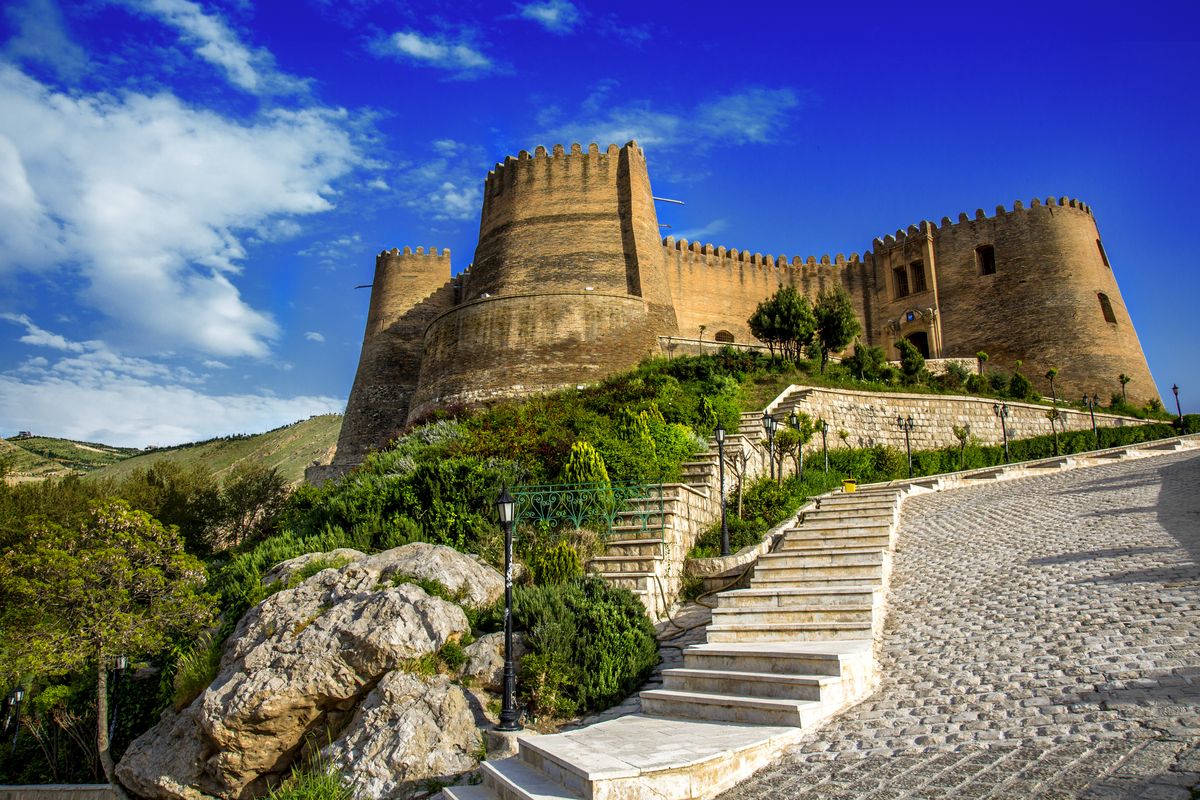
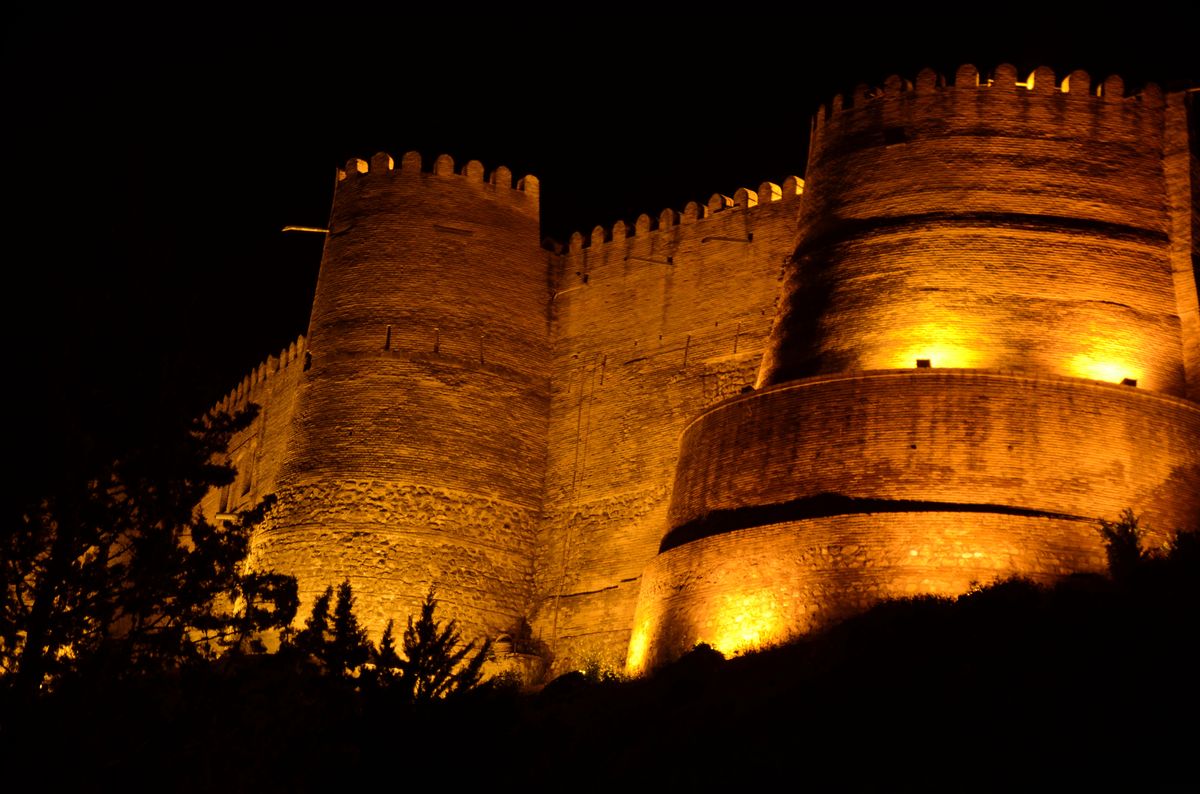
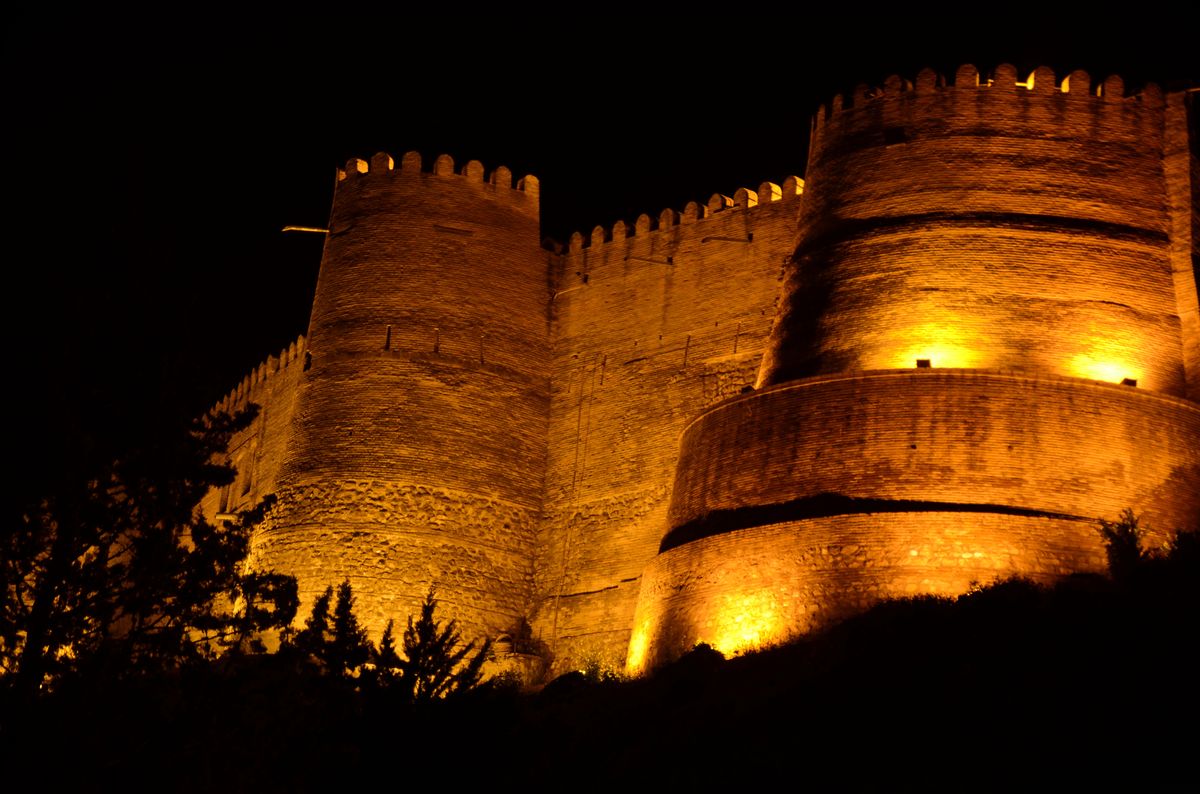
Rising on a hill overlooking the city of Khorramabad, Falak-ol-Aflak Castle is the most iconic historical monument in Lorestan. The name means "Sky of Skies," and the fortress lives up to it. Built during the Sasanian era and expanded over subsequent centuries, the castle features twelve towers, thick mud-brick walls, and interior courtyards that now house a museum of regional artefacts.
From the castle walls you get a sweeping view over Khorramabad and the surrounding valley. The museum inside displays pottery, textiles, weapons, and tools from the long human history of Lorestan, stretching from the Bronze Age through the Islamic period. The castle is open daily and charges a modest entrance fee. It is within walking distance of Khorramabad's city centre, making it an easy first stop for any visitor to the province.
Gahar Lake: Alpine Beauty in the Mountains of Oshtrankooh
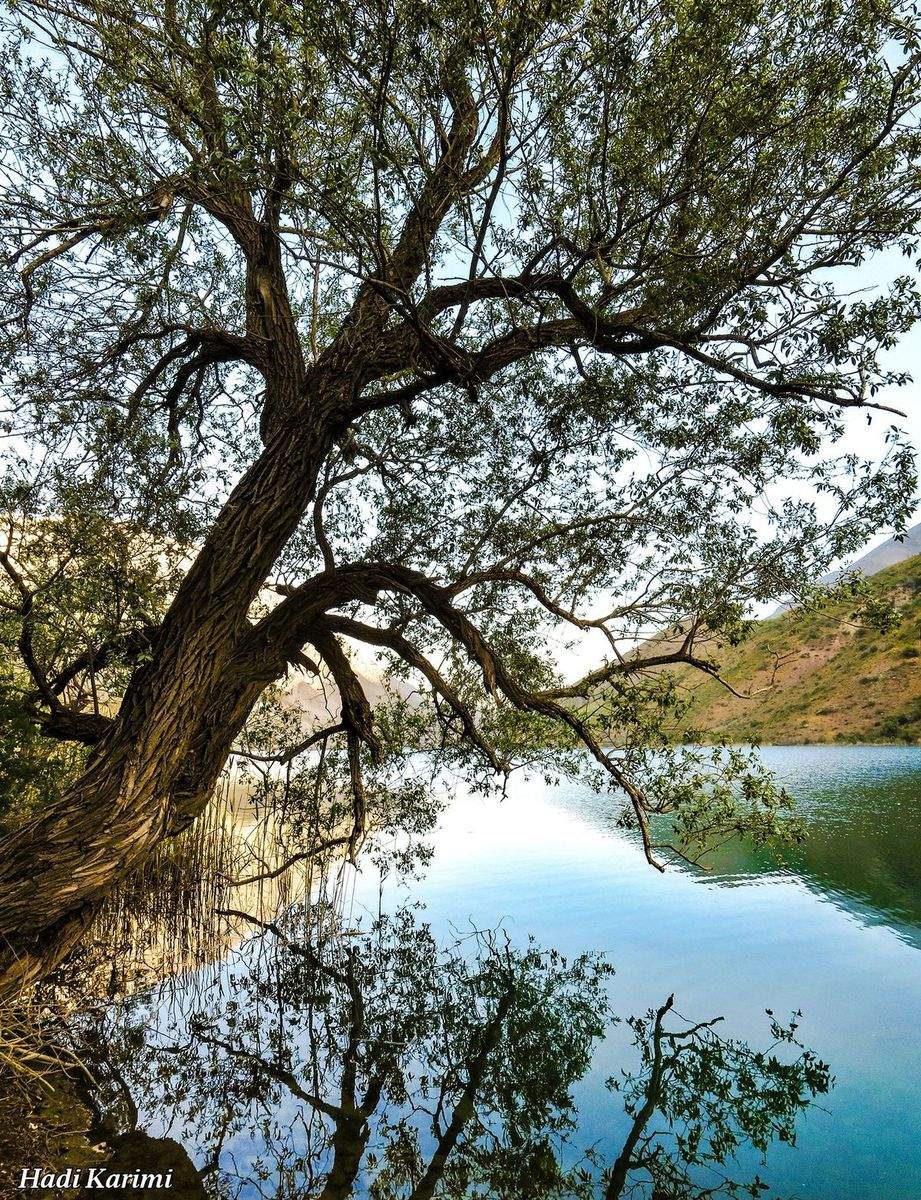
Gahar Lake lies in the Oshtrankooh mountain range in eastern Lorestan, at an altitude of over 3,000 metres. The lake occupies a glacial cirque surrounded by towering peaks, and its water is an extraordinary shade of turquoise that shifts with the sunlight. Swimming is possible in summer, though the water remains cold. The lake is accessible by a hiking trail that starts from the village of ChelGerdi and takes roughly three to four hours to reach the shore.
Gahar is at its most beautiful in late spring and early summer, when wildflowers carpet the meadows along the trail and the snow on the surrounding peaks has not yet fully melted. Camping beside the lake is popular with Iranian hikers, and you will find several flat spots suitable for tents along the shore. There are no facilities at the lake itself, so bring everything you need.
Keeyow Lake: The Recreational Lake of Khorramabad
For a more accessible water experience, Keeyow Lake sits right on the edge of Khorramabad. This natural lake has been developed into a recreational area with walking paths, paddle boats, and green spaces for picnics. It is a favourite spot for locals on weekends and holidays. The lake is surrounded by trees and offers pleasant views of the city below and the mountains beyond. While it lacks the wild beauty of Gahar, Keeyow is an excellent option for families and travellers who want a relaxing afternoon without a mountain hike.
Shirz Canyon: A Dramatic Gorge in Kuhdasht
In the western part of Lorestan, near the city of Kuhdasht, Shirz Canyon cuts through limestone rock in a spectacular display of natural erosion. The canyon walls rise tens of metres on either side, narrow in places to just a few metres, and the floor carries a stream of clear water. Walking through Shirz Canyon feels like entering another world, with the light filtering down in narrow beams and the sound of water echoing off stone. The canyon is not heavily developed for tourism, which means you will need to be prepared for rough footing and limited signage. The reward is a landscape that feels untouched and primal.
Varak Waterfall: The Secret Falls of Wark Village
Tucked away near the village of Wark in northern Lorestan, Varak Waterfall is one of the province's lesser-known natural attractions. The waterfall cascades down a cliff face into a forested valley, and the area around it is thick with oak trees and wild vegetation. The trail to Varak passes through traditional Lori villages where you may encounter shepherds and farmers going about their daily routines. The journey is as rewarding as the destination.
Bam-e Lorestan: The Roof of Khorramabad
Bam-e Lorestan, meaning "Roof of Lorestan," is a scenic viewpoint on the high ground above Khorramabad. From here you can see the city spread out below, with the Zagros Mountains rising in every direction. The site is particularly popular at sunset, when the light turns the mountains pink and gold. There is a small cafe and seating area, making it a pleasant spot for an evening visit after a day of exploring the city or the surrounding waterfalls.
Ab Sefid Waterfall: A Frozen Ribbon Near Aligudarz
In the eastern part of the province near Aligudarz, Ab Sefid Waterfall (White Water Waterfall) drops through a rocky channel surrounded by highland meadows. The waterfall gets its name from the whitish colour of its water, which comes from dissolved minerals in the rock. In late winter and early spring, when temperatures still drop below freezing, the waterfall partially freezes, creating an extraordinary curtain of ice that draws photographers and nature lovers. The area is quiet and undeveloped, and you will likely have the place to yourself outside of holiday weekends.
Kalmakareh Cave: An Archaeological Marvel in Pol Dokhtar
For history enthusiasts, Kalmakareh Cave near Pol Dokhtar in southern Lorestan is a site of enormous significance. Archaeologists discovered thousands of artefacts here dating to the late second millennium BCE, including bronze vessels, weapons, and ornamental objects that provide insight into the metalworking traditions of ancient Lorestan. The cave itself is set into a limestone cliff above the river, and the approach involves a steep climb. The artefacts from Kalmakareh are now displayed in museums across Iran, but visiting the cave gives you a sense of the landscape that shaped the ancient Luristan bronzes famous throughout the art world.
Practical Information for Visiting Lorestan
Base city. Khorramabad is the natural hub for exploring Lorestan. The city has the widest range of hotels, restaurants, and transport connections. Mehyar can help you find accommodation and arrange taxis for day trips to the waterfalls and natural sites.
Getting there. Khorramabad has an airport with limited domestic flights. The more practical option is to fly to Tehran or Isfahan and take a bus or drive. The road from Tehran to Khorramabad takes about six to seven hours via the Arak route. Buses depart regularly from the southern terminal in Tehran.
Best season. Spring (April to June) is the best time to visit Lorestan. The waterfalls are at peak flow, the forests are green, and temperatures are comfortable for hiking. Autumn (September to October) is also pleasant, with fewer crowds and beautiful colours in the forests. Winter brings snow to the higher elevations, and some roads to waterfall sites may become impassable.
Transport. Within the province, a car is essential for reaching the waterfall sites and mountain lakes. Public buses connect the main towns but do not reach most natural attractions. Mehyar Taxi and car rental services can help you cover the distances between Khorramabad, Dorud, Aligudarz, and Pol Dokhtar.
Budget. Lorestan is one of the more affordable provinces for travellers. Entrance fees at historical sites are modest, accommodation in Khorramabad is reasonably priced, and local food is hearty and inexpensive. Budget travellers will find Lorestan among the most wallet-friendly regions in Iran.
Why Lorestan Deserves Your Attention
Iran's most famous destinations, Isfahan, Shiraz, Yazd, draw the majority of international visitors. But for travellers who want to experience the natural side of Iran, Lorestan offers some of the finest landscapes in the country. The Zagros Mountains here are wild and green, the waterfalls are powerful and beautiful, and the human history stretches back thousands of years. The Lori people are warm and hospitable, the food is excellent, and you will encounter far fewer tourists than in the classic circuit cities.
Whether you spend a weekend or a full week in Lorestan, the combination of waterfalls, lakes, castles, and mountain scenery will leave you with memories that go beyond the usual Iran itinerary. Mehyar covers Lorestan with detailed guides, transport options, and local tips to help you make the most of your visit to this magnificent, underappreciated corner of western Iran.