
Tabriz has been a capital, a trading post on the Silk Road and the first Iranian city to adopt many modern institutions, and the evidence sits in a walkable core of brick caravanserais, turquoise-tiled mosques and plane-tree parks along the Quri River. The bazaar alone is a UNESCO site with more than six thousand roofed shops, and within a short drive you reach the stepped stone village of Kandovan and the Ilkhanid capital of Maragheh. Two full days covers the city sights, and a third opens the southern countryside.

Where is Tabriz?
Tabriz is the largest city in northwestern Iran and the capital of East Azerbaijan Province, sitting at about 1,350 metres above sea level in a valley between the Sahand and Eynali mountains. The city lies roughly 600 kilometres northwest of Tehran by road and around 200 kilometres south of the border with Azerbaijan. Its position on the old Silk Road made it a natural meeting point between Persian, Turkic, Caucasian and European trade, and the bazaar still reflects that layered history.
How to get to Tabriz
Mehyar Flights connects Tehran to Tabriz in about an hour, and the airport sits just southeast of the city, a short Mehyar Taxi ride from the centre. Mehyar Buses run the Tehran to Tabriz route continuously, arriving at the main bus terminal on the eastern edge; the road journey takes around seven to eight hours. For travellers who prefer the railway, an overnight train from Tehran reaches Tabriz in roughly twelve hours and saves a hotel night. Inside the city the main sights sit along two corridors, the bazaar spine running north to south and the parkland along the Quri, so a Mehyar Taxi with a driver for the day is inexpensive and saves the midday walk between the Blue Mosque and El Goli.
What to see in Tabriz
Start at the Tabriz Bazaar, accessible from the Imam Khomeyni Street corridor between the river and the Grand Mosque. More than 29 roofed streets and some 6,500 shops make it the largest covered bazaar in the world, and its caravanserais, money-changers' halls and guild quarters are the reason it earned UNESCO listing in 2010. The Mozaffariyeh Timche, a domed hall where carpets were once traded, is the centrepiece, and the Amir Timche and Rashidiyeh quarters each carry their own architectural rhythm. Morning is the busiest trade time; late afternoon brings shoppers and the tea houses fill up.
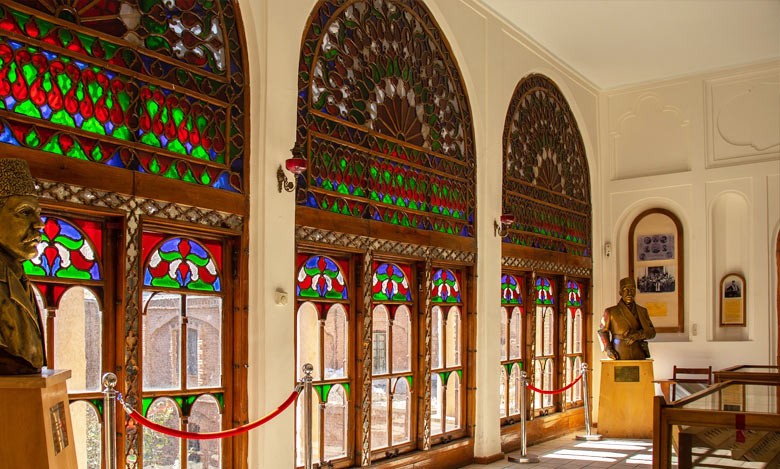
A ten-minute walk from the bazaar brings you to the Blue Mosque, or Masjid-e Kabud, on Emam Street. Built in 1465 under the Qara Qoyunlu ruler Jahan Shah, the mosque was one of the grandest in the Islamic world before an earthquake destroyed most of it in 1780. What survives is the entrance portal and a fragment of the prayer hall, and the remaining tilework, deep cobalt with white Kufic inscriptions, is among the finest fifteenth-century ceramics anywhere in Iran. A small museum sits in the former women's prayer hall.
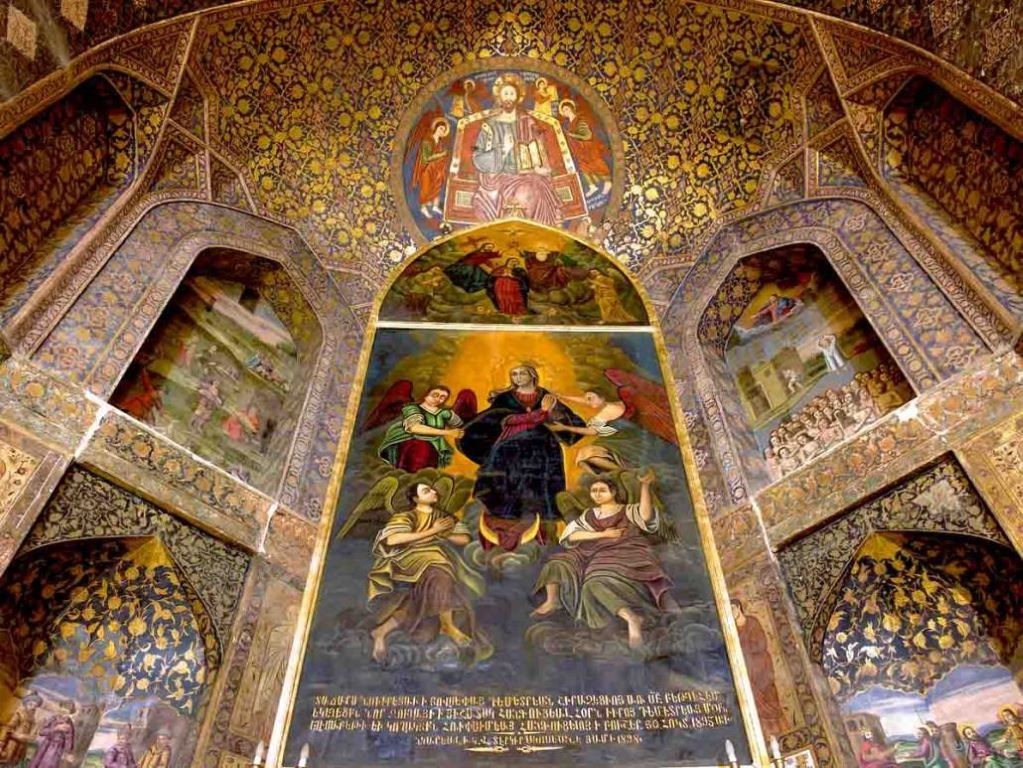
The Arg of Tabriz, or Arg-e Alishah, stands at the southern edge of the bazaar quarter. It began as a thirteenth-century mosque commissioned by the Ilkhanid ruler Oljeitu's Taj al-Din Ali Shah, and over the centuries served as a citadel, a military base and a mosque. The surviving structure is a massive brick iwans and wall reaching about 11 metres high, and the interior has been converted into a museum and cultural space. It is best visited in the late afternoon when the brick glows warm.
The Constitution House, or Khaneh Mashruteh, on Raies Street near the bazaar is a late Qajar-era merchant's house where the leaders of the Iranian Constitutional Revolution held their secret meetings between 1906 and 1911. The rooms hold photographs, documents and personal effects of Sattar Khan, Baqir Khan and the other Tabrizi figures who shaped the movement, and the courtyard is a quiet spot to sit and read the notices. It opens roughly 9:00 to 17:00, often listed around 15,000 tomans for foreigners, though you should confirm on arrival.
What about parks and open spaces?
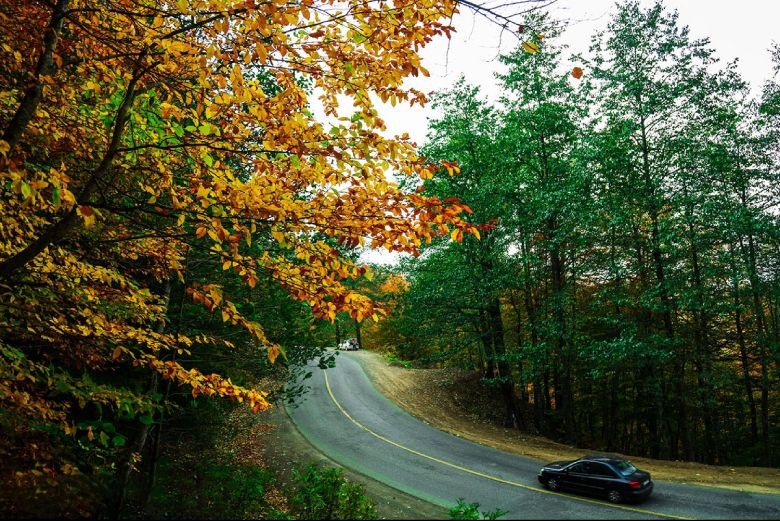
El Goli Park, also called Shah Goli, sits in the southeast of the city and is the most popular green space in Tabriz. A large rectangular pool fills the centre, and on its far side stands a two-storey pavilion built in the Qajar period as a summer residence. The park is landscaped with avenues of elm and poplar, and on weekends families spread picnics along the banks. The pavilion now houses a small restaurant and a viewing gallery. Entry to the park is free; the pavilion is sometimes closed for renovation.
Eynali Mountain, on the northern edge of the city, is the short hike option. A paved trail climbs from the Eynali neighbourhood to a summit at about 1,800 metres where a television tower and a teahouse wait. The climb takes about 45 minutes from the road, and the view south over Tabriz to the Sahand range is the best free panorama in the city. At night the mountainside is lit, and the trail stays busy into the evening.
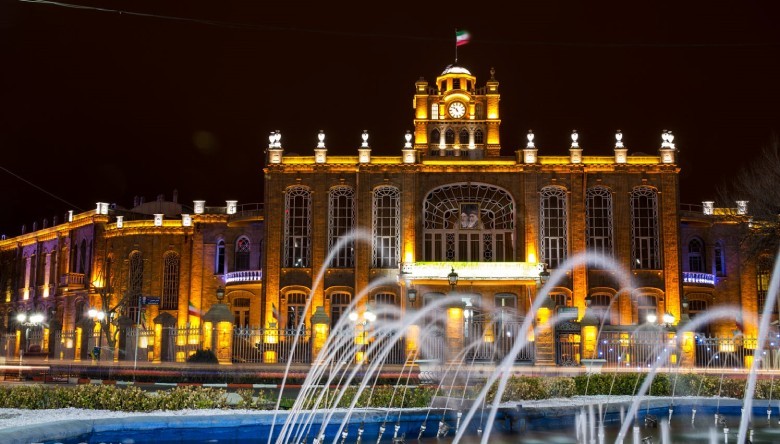
Are there day trips from Tabriz?
Kandovan village, about 55 kilometres south of Tabriz on the road toward Osku, is a living rock-cut settlement. Houses carved into volcanic cones serve as homes, hotels and restaurants, and the village is one of only a handful of inhabited cave settlements still occupied in the world. The drive takes about an hour, and a Mehyar Taxi or private driver is the usual way to reach it. Kandovan pairs easily with a visit to the Maragheh Observatory site, where the remains of Hulagu Khan's thirteenth-century astronomical complex sit on a hill above the town, about 25 kilometres further south.
Best time to visit Tabriz
Late spring to early autumn, from May to October, gives the most comfortable weather for walking the bazaar and the parks. July and August are the warmest, and afternoons above 30 degrees are common, but the altitude keeps the heat manageable compared with central Iran. Winter is cold, with sub-zero nights and occasional snow; the bazaar stays busy but the parks empty out. September and October give the clearest light on the Blue Mosque tilework.
Where to stay and what else Mehyar offers
Book through Mehyar Hotels in the city centre or along the Emam Khomeyni Street corridor, within walking distance of the bazaar and the Blue Mosque, so you can return to the hotel between morning and afternoon visits. For transport beyond the city, Mehyar Buses and Mehyar Flights connect Tabriz with Tehran, Ardabil and Urmia, and the Mehyar app bundles taxi, bus, flight and hotel into a single booking. A day trip to Kandovan, a half-day in the bazaar and a morning at the Blue Mosque is a full itinerary; add the Constitution House and El Goli for a second day.