
Qeshm is the kind of island that rearranges your expectations of Iran. There are no grand boulevards or tiled domes here. Instead, you find wind-carved valleys that look like another planet, mangrove forests that flood twice a day, and a salt cave so long it holds a world record. The island sits in the Strait of Hormuz, roughly two and a half times the size of Bahrain, and it carries the weight of a quiet distinction: it is the only geopark in Iran and the first in the Middle East to be recognized by UNESCO's Global Geoparks Network.
This guide covers what Qeshm is, how to reach it by air, land, and sea, what to see once you are there, and how to move around with Mehyar handling the logistics. It is written for travelers who want both the practical spine and the atmospheric detail, because Qeshm rewards both.
Where Is Qeshm Island?
Qeshm lies in the Persian Gulf, in Hormozgan Province, just off the coast of Bandar Abbas. It stretches about 115 to 125 kilometers from east to west, with a total area of roughly 1,491 square kilometers. The city of Qeshm sits at the eastern tip, closest to the Strait of Hormuz, while the western end is where the geopark's most dramatic landscapes are concentrated.
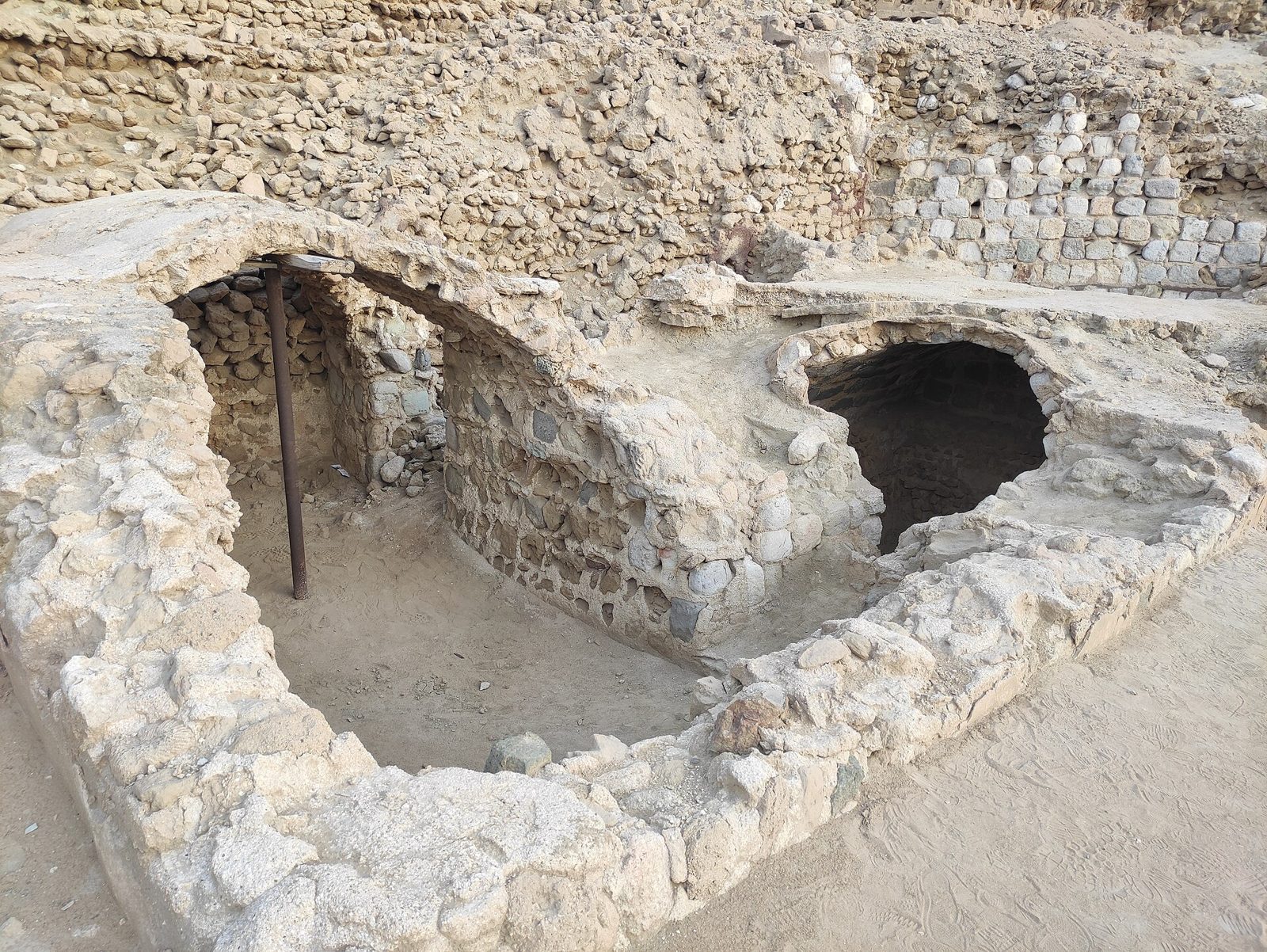
To the north, across the narrow Khuran Strait, lies the mainland port of Bandar Khamir. To the northeast is Hormuz Island, a smaller neighbor with its own surreal geology. To the south is Hengam Island, reachable by boat and worth a day of its own. The island's position has made it a strategic point on maritime routes for centuries, and that history is still visible in the ruins of Portuguese fortifications and the old wells at Bandar Laft.
How to Get to Qeshm
By Air
Qeshm International Airport, also known as Deyrestan Airport, sits in the southern part of the island. It handles daily flights from Tehran, Mashhad, Isfahan, and other major cities, with Qeshm Air operating the majority of routes. Flight time from Tehran is roughly two hours. The airport is about an hour's drive from the center of Qeshm city, so factor that into your arrival plans.
The simplest way to book is through Mehyar: open the app, go to Flights, enter your origin and Qeshm as the destination, and compare available dates. Mehyar shows you the options in one place, and you can pay directly through the Mehyar wallet once you have topped it up. If you prefer to arrange a transfer from the airport, Mehyar Taxi covers that leg as well. Book the ride when you land, and the driver meets you at arrivals.
By Train and Ferry
If you are coming from Tehran or another city with a rail connection, you can take a train to Bandar Abbas. The journey from Tehran takes about 18 to 19 hours. From Bandar Abbas, passenger ferries run from Shahid Haqani port to Shahid Zakeri port on Qeshm, roughly every hour during daylight. The crossing takes about 50 minutes, and the view of the Persian Gulf from the deck is part of the experience.
You can book train tickets through Mehyar's Buses and rail partners where available, or arrange the full multimodal trip through the Mehyar planner. The planner lets you stack train, ferry, and local taxi into a single itinerary, which saves you from piecing it together on arrival.
By Bus
Long-distance buses connect Tehran, Shiraz, Isfahan, and other cities to Bandar Abbas. From there, you continue by ferry. Some bus companies, particularly from Fars Province, run services that load onto landing craft and continue directly to Qeshm, which saves a transfer. The bus journey from Tehran to Bandar Abbas takes around 14 to 16 hours depending on the operator and stops.
Mehyar Buses lists available routes and departure times. Book your seat in advance, especially during Nowruz and the winter high season, when buses fill up quickly.
By Car
Driving to Qeshm is possible but requires a bit of planning. You drive to Bandar Pol, about 70 kilometers from Bandar Abbas, and load your car onto a landing craft for the 20-minute crossing to Bandar Laft on Qeshm. The cost for a car on the landing craft is separate from the passenger fare. If you prefer not to bring your car, you can park in Bandar Abbas and cross as a foot passenger, then rely on Mehyar Taxi or a rental car on the island.
The drive from Tehran to Bandar Abbas is roughly 1,300 kilometers and takes about 14 to 15 hours of driving time. Most travelers break the journey with an overnight stop in Yazd, Kerman, or Shiraz.
A Short History of Qeshm
Qeshm's story goes back far beyond written records. Archaeologists working at Bam-e Qeshm, the island's highest point, have found stone tools and settlement traces dating back more than 150,000 years, to the Middle Paleolithic period. Those findings place Neanderthal populations on the island long before any of the empires that later claimed this coast.
In the sixteenth century, Portuguese forces under Afonso de Albuquerque built a fortress on the island's northern shore. They held Qeshm for over a century, followed by the Dutch and then the British, before control returned to Iran. The remains of the Portuguese castle, along with the historic wells and water reservoirs at Bandar Laft, are the most visible reminders of that era.
More recently, Qeshm's geological significance brought it international attention. In 2006, the Qeshm Geopark was admitted to the UNESCO Global Geoparks Network, making it the first geopark in the Middle East. The designation covers 25 geosites across the island, from the Valley of Stars to the salt caves and the mangrove forests. The geopark has faced challenges over the years, including a temporary removal from the network in the early 2010s, but it was reinstated in 2017 and remains a protected area.
What to See on Qeshm
The Qeshm Geopark and Its Geosites
The geopark is not a single fenced-off park. It is a network of 25 sites spread across the western and central parts of the island, each protecting a different geological or cultural feature. The most visited include the Valley of Stars, Chahkooh Canyon, the Salt Cave, Bam-e Qeshm, the Statues Valley, and the mangrove forests. A geopark museum near the western end of the island provides context on the geology and archaeology, and it is a good first stop if you want to understand what you are looking at before you see it.
Valley of Stars (Darreh-ye Setaregan)
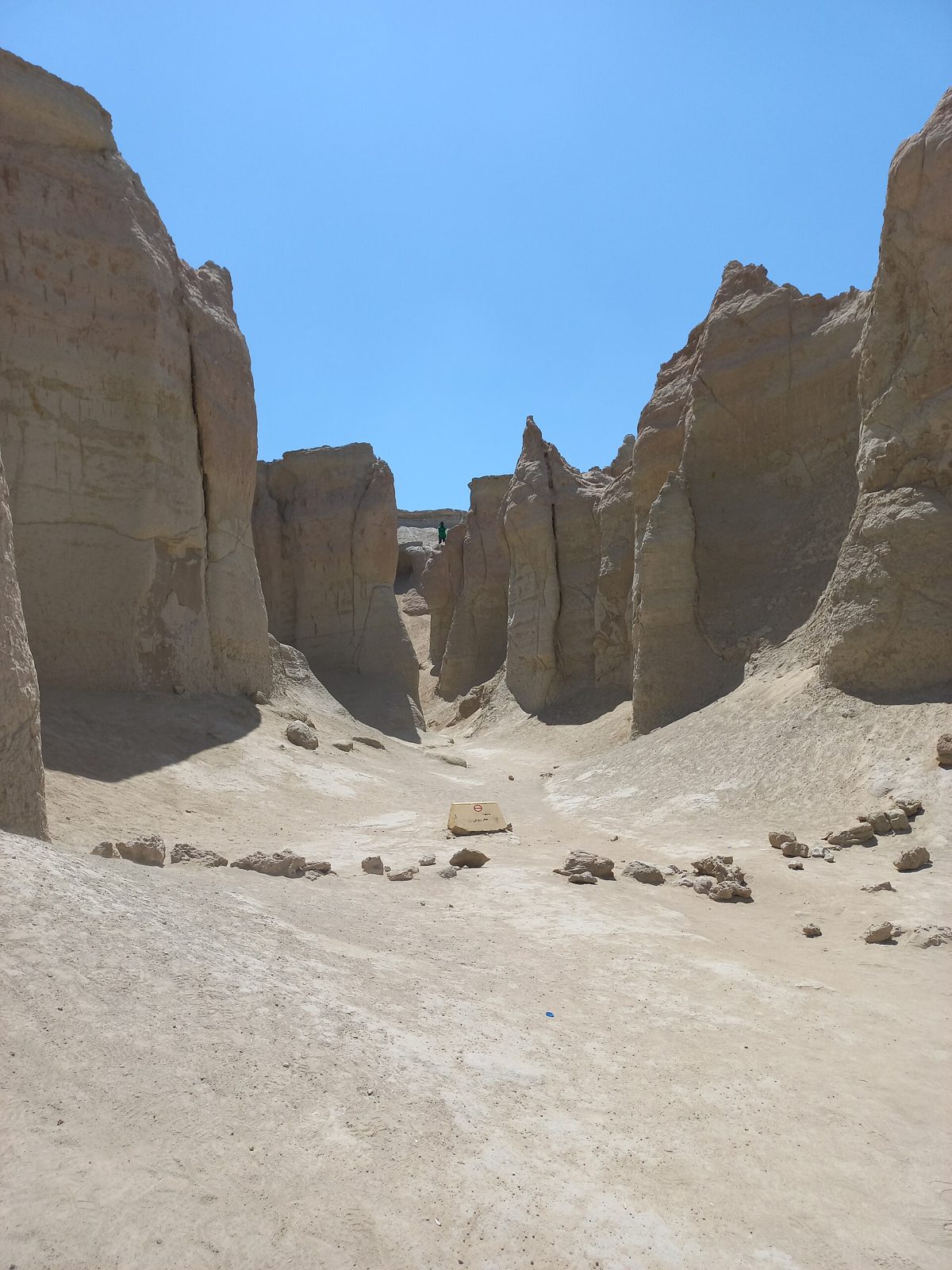
This is Qeshm's most famous natural attraction, and it earns the attention. The valley sits about 15 kilometers from Qeshm city, near the village of Berkeh Khalaf. Wind and seasonal rain have carved the soft rock into pillars, walls, and hollows that look like a film set. Local legend says the shapes were formed when stars fell to earth, which is as good an explanation as any for the first-time visitor.
The best time to walk through is early morning or late afternoon, when the light rakes across the rock and the shadows deepen. The ground is uneven and sandy, so wear shoes with grip. There is no shade, so bring water. The site is free to enter, and it takes about an hour to explore at a relaxed pace.
Chahkooh Canyon (Tangeh-ye Chahkooh)
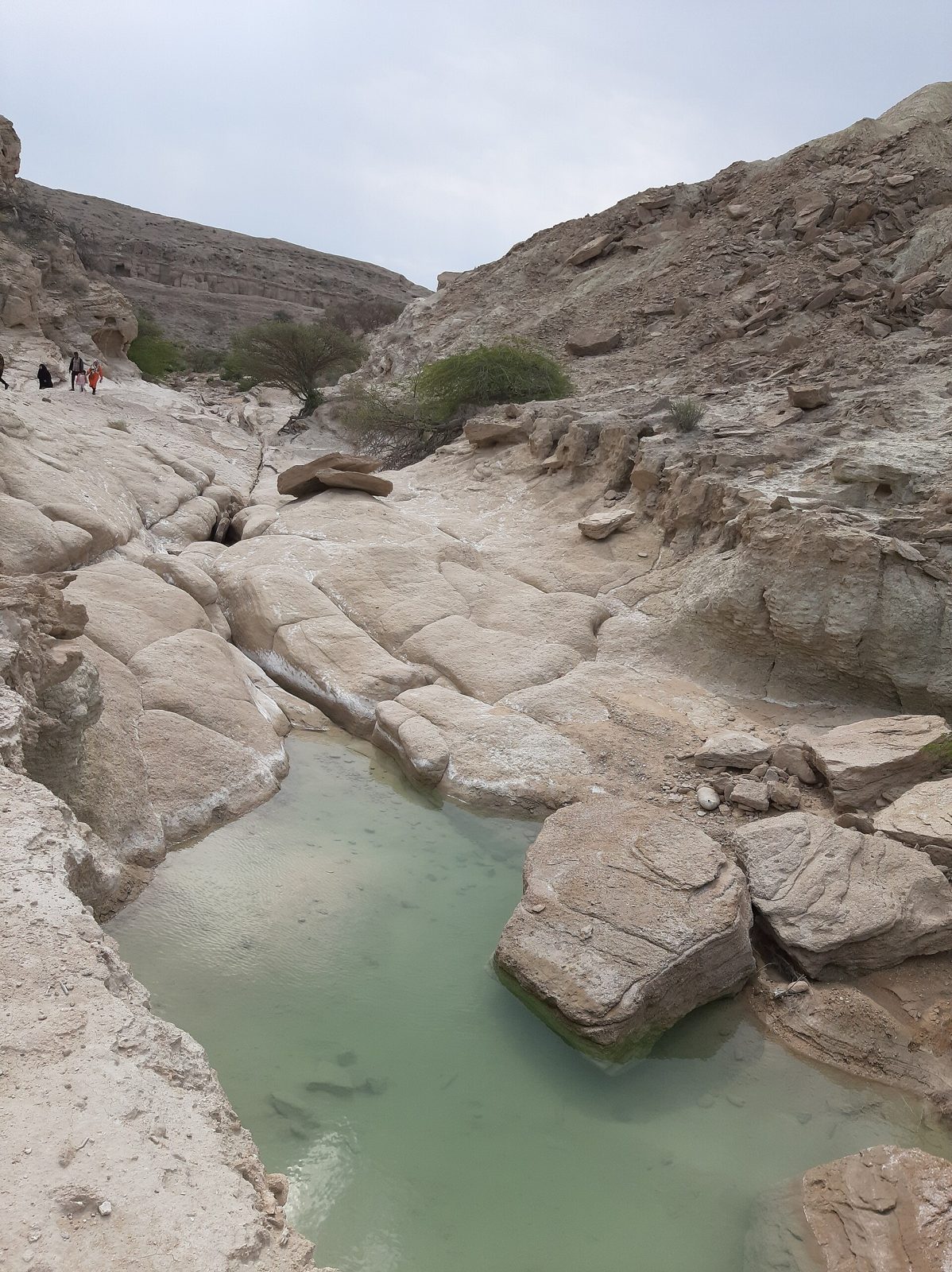
Chahkooh is a narrow gorge in the western part of the island, near the village of Chahou-e Sharqi. The name means "well mountain," a reference to the historic wells that local people dug at the entrance to collect rainwater. The canyon walls rise up to 100 meters in places, and the passage narrows as you go deeper, until the sky becomes a thin strip above you.
The geology here is sedimentary rock shaped by water and wind over millions of years. The surfaces are smooth in places and deeply pitted in others, with holes and ledges that catch the light. It is a photographer's canyon, but it is also a place to slow down and listen. The silence is part of the experience. Entry is free, and you can walk the main section in an hour or two. Sturdy shoes are essential, and you should avoid the canyon during or immediately after rain, when the floor becomes slippery and flash floods are possible.
The Salt Cave (Ghar-e Namakdan)
The Namakdan Salt Cave is one of the longest salt caves in the world, with a mapped length of over 6,400 meters. It sits inside a salt dome about 90 kilometers from Qeshm city, in the southwestern part of the island. The cave is part of the geopark and is protected as a national natural monument.
The first section of the cave is accessible to casual visitors without special equipment. You can walk about 100 meters in, where the ceiling drips with salt stalactites and the floor is crusted with white and pink crystals. The air is cool and salty, and the light from the entrance fades quickly, so bring a flashlight or rent one at the entrance if available. The interior colors range from white to red and orange, depending on the mineral deposits. The cave is home to small insects and bats, so keep noise to a minimum and do not touch the formations.
Getting there requires a drive on a dirt road, and the last stretch is rough. A guide or a local driver is recommended. The site is free to enter, but you will need to arrange transport. Mehyar Taxi can take you there if you book a day trip or a driver for the day.
The Mangrove Forests (Jangal-e Hara)
The Hara mangroves stretch across the Khuran Strait between Qeshm and the mainland, covering about 200 square kilometers. These are not trees you walk among on dry land. They grow in salt water and are submerged up to 90 percent of their height during high tide. The species is Avicennia marina, and it is one of the few plants that can tolerate this level of salinity.
The best way to see the mangroves is by boat. Local operators run small boats from several points on the northern shore, including near Bandar Laft and the village of Tabl. The boat takes you through channels between the trees, and if you time it with high tide, the effect is otherworldly: a forest growing out of the sea. The mangroves are also a habitat for migratory birds, including flamingos and pelicans in the cooler months. Book a boat through your hotel or through Mehyar's local experiences if available, and confirm the tide schedule before you go.
Hormuz Island Day Trip
Hormuz is a small island about eight kilometers off the coast of Qeshm, reachable by passenger boat from the Qeshm waterfront. The island is famous for its red soil, which has been used as a pigment for centuries, and for its own geological oddities: the Rainbow Valley, the Red Beach, and the salt goddess cave. The boat ride takes about 30 minutes, and boats run regularly during the day.
A day trip to Hormuz is one of the best add-ons to a Qeshm itinerary. You can leave in the morning, spend the day exploring, and be back on Qeshm by evening. Mehyar Taxi can handle the transfer to the boat dock, and you can book the return leg in the app when you are ready to come back.
Bam-e Qeshm
Bam-e Qeshm is the island's highest point, a plateau at around 120 meters above sea level, located between the villages of Tabl and Salakh. The name means "the roof of Qeshm," and the view from the top takes in the mangrove forests, the northern and southern coasts, and the eroded landscapes of the geopark. It is also one of the best places on the island for stargazing, because there is no light pollution and the air is clear.
The drive to the base is straightforward, followed by a short walk of about 15 minutes to the top. There are archaeological traces nearby, including the remains of the old village of Kalat Koshtar, and a historic water reservoir. The site is free and open, but there are no facilities, so bring water and sun protection.
Bandar Laft and the Historic Port
Laft is a small port town on the northern coast, known for its traditional windcatchers, its old wells, and the Naderi Castle, which dates back about 250 years. The town has a slower pace than Qeshm city, and walking through the old quarter gives you a sense of how the island's communities have lived with the sea for generations. The wells of Tala and the mangrove views from the waterfront are the main draws. It is a good place to combine with a mangrove boat trip, since many boats depart from or near Laft.
Qeshm City and the Shopping Areas
Qeshm city is the island's main urban center, and it is where you will find the largest concentration of shops, restaurants, and services. The old bazaar and the larger modern malls, such as City Center and Star Bazaar, are popular with visitors looking for clothing, electronics, and local products. The traditional bazaar in Dargahan is another option, with a more local feel and a mix of wholesale and retail stalls.
Shopping on Qeshm is a major draw for domestic travelers, partly because the island is a free trade zone and prices on some goods are lower than on the mainland. If you are buying, remember that Mehyar Wallet is the easiest way to pay. Top up once and use it across the island for taxis, hotels, and partner merchants.
Hours, Tickets, and Practical Notes
Most natural sites on Qeshm are free to enter. The Valley of Stars, Chahkooh, Bam-e Qeshm, and the Salt Cave do not charge admission. The geopark museum may have a small entry fee, and boat trips to the mangroves or to Hormuz have their own costs, which vary by operator and season. The crocodile park, if it is open, charges a modest ticket for adults and children, with a higher rate for foreign visitors. The park has had periods of closure, so confirm locally before you go.
Prices for transport, boat trips, and hotels change with the season and the exchange rate. Treat any figure you see online as a rough guide and confirm at the time of booking. Mehyar shows current prices for flights, hotels, and taxis in the app, so you can plan with real numbers rather than stale estimates.
The island's roads are generally good on the main routes, but the final stretches to some geosites are dirt or rough tracks. If you are driving yourself, allow more time than the map suggests. If you are using Mehyar Taxi, the driver will know the access roads and can get you closer to the trailheads.
When to Go
The best time to visit Qeshm is from late November to early April. During these months, daytime temperatures average around 20 to 25 degrees Celsius, the humidity drops, and the island is comfortable for walking and sightseeing. This is also the peak season for domestic tourism, especially around Nowruz in late March, so book flights and hotels well in advance.
Summer, from June to September, is hot and humid, with temperatures often above 40 degrees Celsius. If you can tolerate the heat, summer has its advantages: hotels are cheaper, the crowds thin out, and the shopping centers are air-conditioned. The island's cultural festivals, such as the Fisherman's Nowruz in late July and the Shrimp Festival in November, are worth planning around if you are interested in local traditions.
Spring and autumn are transitional months. October and November are pleasant, with warm days and cooler evenings. April and May start to heat up but are still manageable, especially if you plan outdoor activities for the early morning and late afternoon.
Where to Stay
Qeshm has a range of accommodation, from simple guesthouses to four-star hotels. There are no five-star properties on the island, but the top-tier hotels are comfortable and well located. Ataman Hotel and Erm Hotel are among the better-known four-star options. For budget travelers, three-star hotels such as Singo, Rokhsar, and Reihan offer basic comfort at lower rates.
Eco-lodges, known locally as ecolodges or homestays, are another option and often the most memorable. These are traditional houses in villages such as Laft, Tabl, or Giahdan, where you sleep on mattresses on the floor and eat home-cooked local food. They are a good way to support the local economy and to see a side of the island that hotels do not show you.
You can browse and book hotels through Mehyar Hotels. The app shows availability, prices, and guest ratings in one place, and you can pay with your Mehyar wallet. For eco-lodges, which may not be listed in the app, ask at the local tourism office or through your taxi driver, who often knows the reliable places.
Getting Around Qeshm
The island is large, and distances between sites can be significant. Qeshm city to the Salt Cave is about 90 kilometers, and the Valley of Stars is about 15 kilometers from the city. Renting a car gives you the most flexibility, but you need to be comfortable with the driving conditions and the lack of signage in some areas.
Mehyar Taxi is the simplest option for most travelers. You can book a ride from your hotel to any site, and for a full day of sightseeing, you can arrange a driver through the app. This is often more economical than renting a car if you are traveling alone or as a couple, and it removes the stress of navigation. The drivers know the island and can suggest stops you might not have considered.
For shorter hops within Qeshm city, Mehyar Taxi works the same way it does in other Iranian cities. Open the app, set your pickup and destination, and confirm the fare before you ride. Payment can be made directly from your Mehyar wallet.
If you are traveling with a group, a private driver for the day is a good value. You can split the cost and customize the itinerary. Your hotel can help arrange this, or you can book through Mehyar's local transport options if available.
Food and Local Specialties
Qeshm's cuisine is southern Iranian, with a focus on seafood, spices, and dates. Grilled fish is a staple, often served with rice and a tangy sauce. Look for ghaliyeh mahi, a spicy fish stew that is one of the island's signature dishes. Other local specialties include kalamaba, zibun, mufalak, and havari polo, a rice dish with dried fish or shrimp.
Dates are everywhere, and the local varieties are excellent. The island also produces good honey and a range of pickles and preserves. The Shrimp Festival in November is a good time to try the local catch prepared in different ways, and the Fisherman's Nowruz in July includes music, food, and boat races.
Restaurants in Qeshm city range from simple local eateries to hotel restaurants. Prices are generally reasonable, and seafood is the best value. If you are staying in an eco-lodge, meals are often included and feature home cooking that you will not find in restaurants.
Practical Tips
Bring cash, but rely on Mehyar Wallet where you can. Many businesses on the island accept cards and mobile payments, but smaller vendors and some boat operators may prefer cash. Top up your Mehyar wallet before you arrive, and use it for taxis, hotels, and partner merchants. You can also use Mehyar to pay for flights and buses if you are booking onward travel.
Stay hydrated and protect yourself from the sun. The island is hot for much of the year, and even in the cooler months the sun is strong. A hat, sunscreen, and a refillable water bottle are essentials.
Respect the environment. The geopark's formations are fragile, and touching or climbing on them causes damage that cannot be repaired. Stay on marked paths, do not remove rocks or salt crystals, and take your trash with you. The mangroves and the wildlife they support are protected, and boat operators should follow the rules. If you see something that seems wrong, report it to the local tourism office.
Learn a few words of Persian or local dialect. It goes a long way, and people on the island are generally warm and curious about visitors. Even a simple "salam" and "mersi" will open doors.
A Sample Three-Day Itinerary
Day one: Arrive at Qeshm Airport, transfer to your hotel with Mehyar Taxi, and spend the afternoon exploring Qeshm city. Visit the old bazaar and the waterfront, and have dinner at a local restaurant. If you have energy, take a walk along the beach.
Day two: Head west early. Start at the Valley of Stars, then continue to Chahkooh Canyon. In the afternoon, visit the Salt Cave if you have arranged transport, or the geopark museum for context. Return to your hotel in the evening.
Day three: Take a boat trip through the mangroves in the morning, then visit Bandar Laft and the historic port. In the afternoon, if time allows, take the boat to Hormuz Island for a short visit. Return to Qeshm for your last night, or catch an evening flight out.
If you have more time, add a day for Bam-e Qeshm and the Statues Valley, and another for Hengam Island. The island rewards a slower pace, and the more you see, the more you realize how much there is.
Start Your Qeshm Trip with Mehyar
Qeshm is one of those places that stays with you. The scale of the geology, the quiet of the mangroves, and the warmth of the people make it a destination that feels both foreign and welcoming. Planning it does not have to be complicated.
Open Mehyar and start with Flights to get to the island. Book your hotel through Mehyar Hotels, and set up your Mehyar Wallet before you arrive so you can pay for taxis, meals, and tickets without hunting for cash. Use Mehyar Taxi for airport transfers and day trips, and check the Mehyar planner for itinerary ideas and local experiences.
If you are continuing your journey, our guides to Hormuz, Kish, and Bandar Abbas will help you connect the dots. And if this is your first trip to Iran, the first-trip guide and the paying-in-Iran guide will answer the questions you have not thought to ask yet.
Qeshm is waiting. Go see it.