
You turn off Iranzamin Street into a quieter lane, and the character of the city changes. The apartment towers of western Tehran give way to something lower, older, more deliberate. A long wall of fired brick stretches ahead, its pattern shifting every few metres: herringbone here, running bond there, small recessed panels that catch the afternoon light and throw shadows across the facade. A doorway leads into a courtyard, and through it you see another courtyard, and beyond that, shop after shop set into brick arches. This is the Golestan Business Center, and it is one of the most architecturally significant commercial buildings in Tehran, though most visitors to Iran have never heard of it.
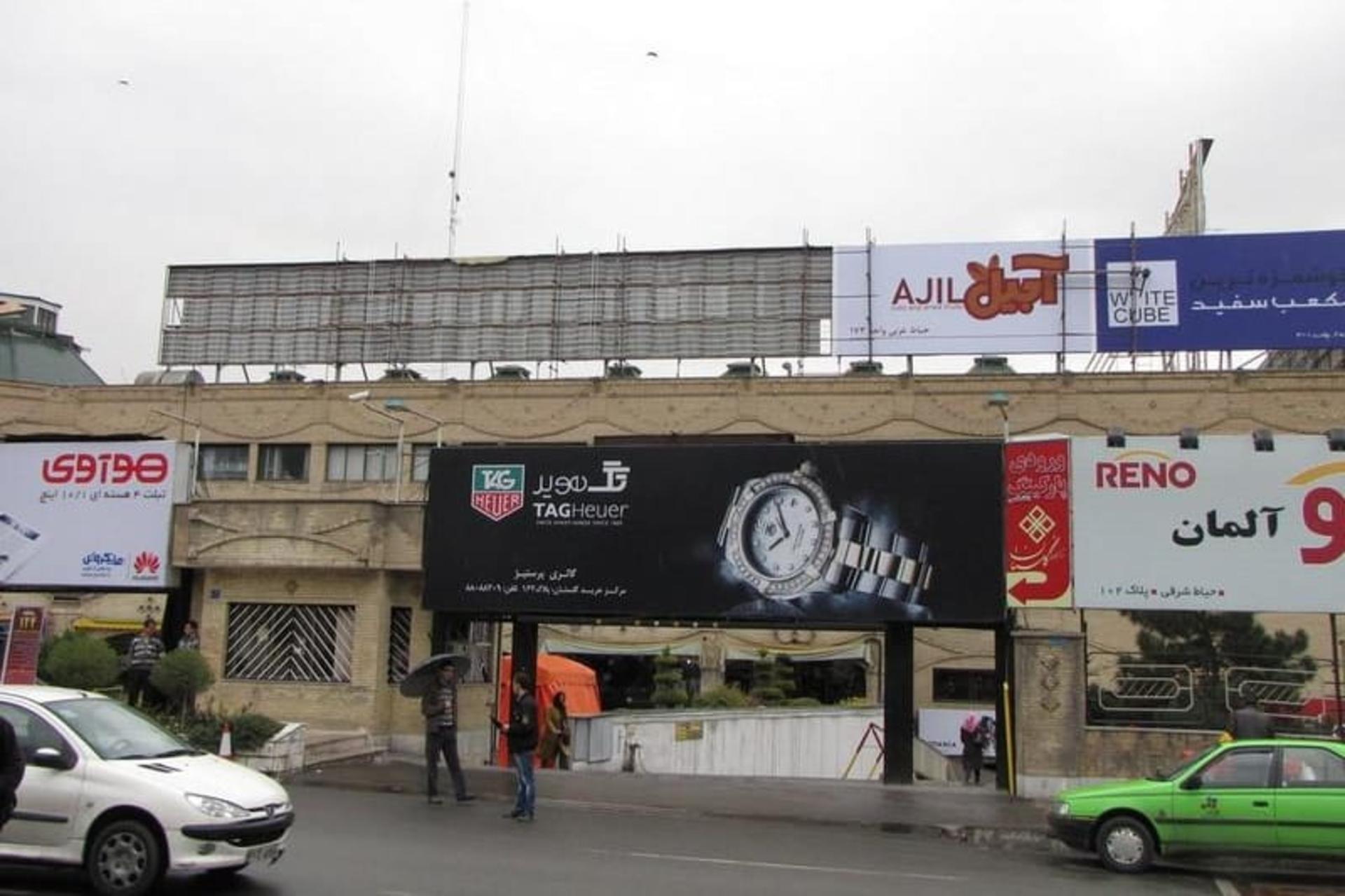
Built in 1975 and designed by Kamran Tabatabai Diba, the same architect who gave Tehran the Museum of Contemporary Art, the Golestan Business Center is a rare surviving example of pre-revolutionary commercial architecture that tried to bridge Iranian building traditions with the language of modernism. It was commissioned by Omran Bank, constructed on six thousand square metres of land in what was then the newly developed neighbourhood of Shahrak-e Gharb, and it opened as one of the first planned shopping complexes in the capital. Nearly fifty years later, it still functions as a thriving commercial centre, its 187 shops and 82 booths drawing a steady flow of shoppers, designers, and architecture students who come to study the way brick, light, and courtyard interact at this scale.
Who Designed Golestan Business Center?
Kamran Tabatabai Diba is one of the most important Iranian architects of the twentieth century. Born in 1942, he studied architecture in Tehran before continuing his training in the United States and France. He returned to Iran in the 1970s and produced a body of work that tried to create a genuinely Iranian modernism, one that drew on traditional materials, climate-responsive planning, and the spatial logic of the Iranian courtyard house while engaging with the international vocabulary of concrete, steel, and glass.
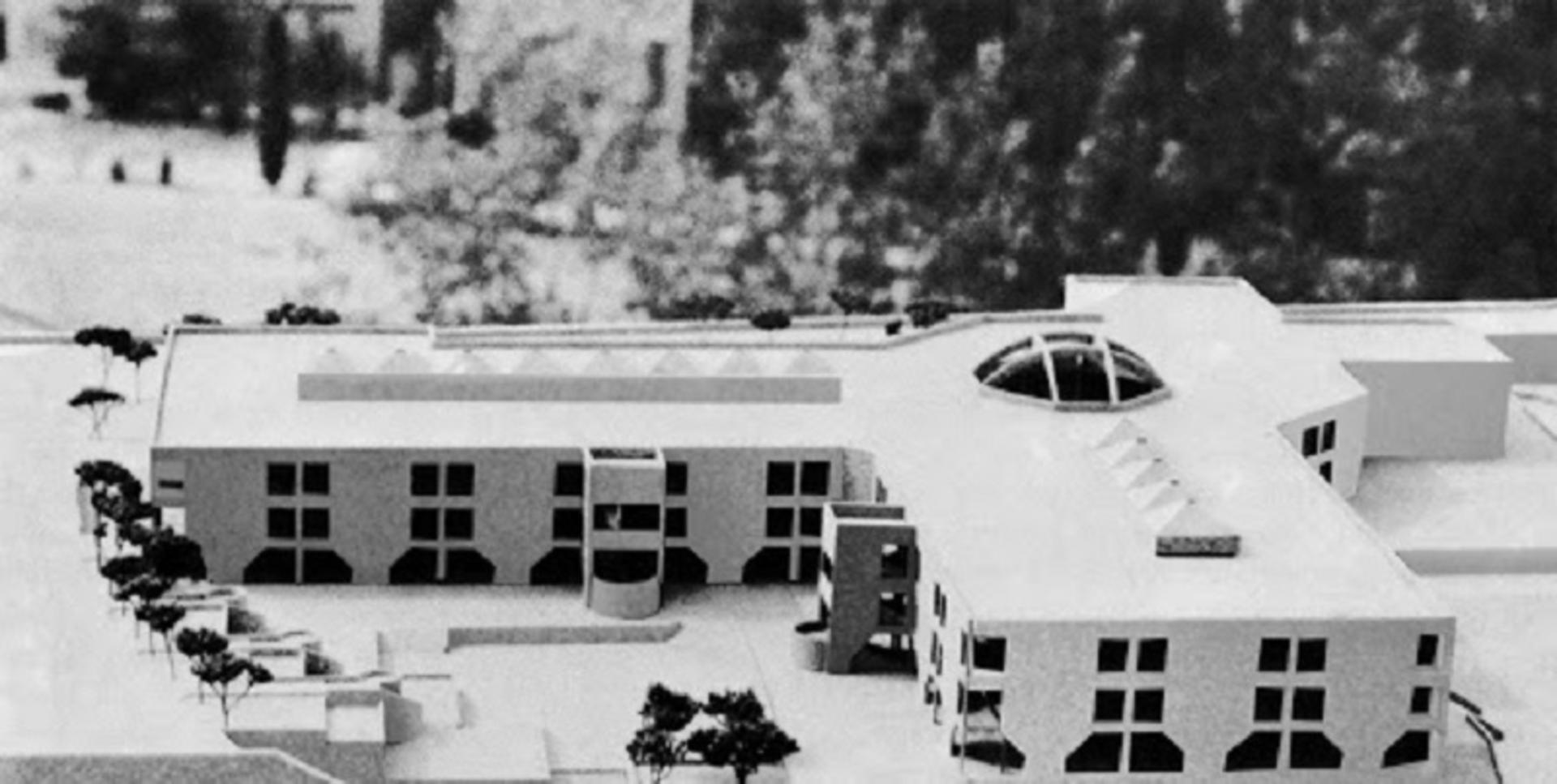
The Museum of Contemporary Art in Tehran, completed in 1977, is his best-known building. But the Golestan Business Center, completed two years earlier, shows his thinking at its most practical and most inventive. The challenge was to create a commercial building of considerable size on a large urban plot, and his solution was to break the mass into two wings arranged in an L-shape, separated by two courtyards that give the building its distinctive character. The result feels less like a mall and more like a small town, with streets, squares, and covered passages that reward slow exploration.
Architectural historians have noted that the design draws on two seemingly opposite traditions. The open, car-oriented planning follows the pattern of American suburban shopping centres, which were becoming the global model for retail development in the 1970s. But the treatment of the facade, the use of brick, the introverted courtyards, and the way the building turns its back on the street while opening generously inward are deeply Iranian. They recall the traditional bazaar and the caravanserai, buildings that present a blank wall to the outside world and reveal their richness only to those who enter.
What Is Inside the Golestan Business Center?
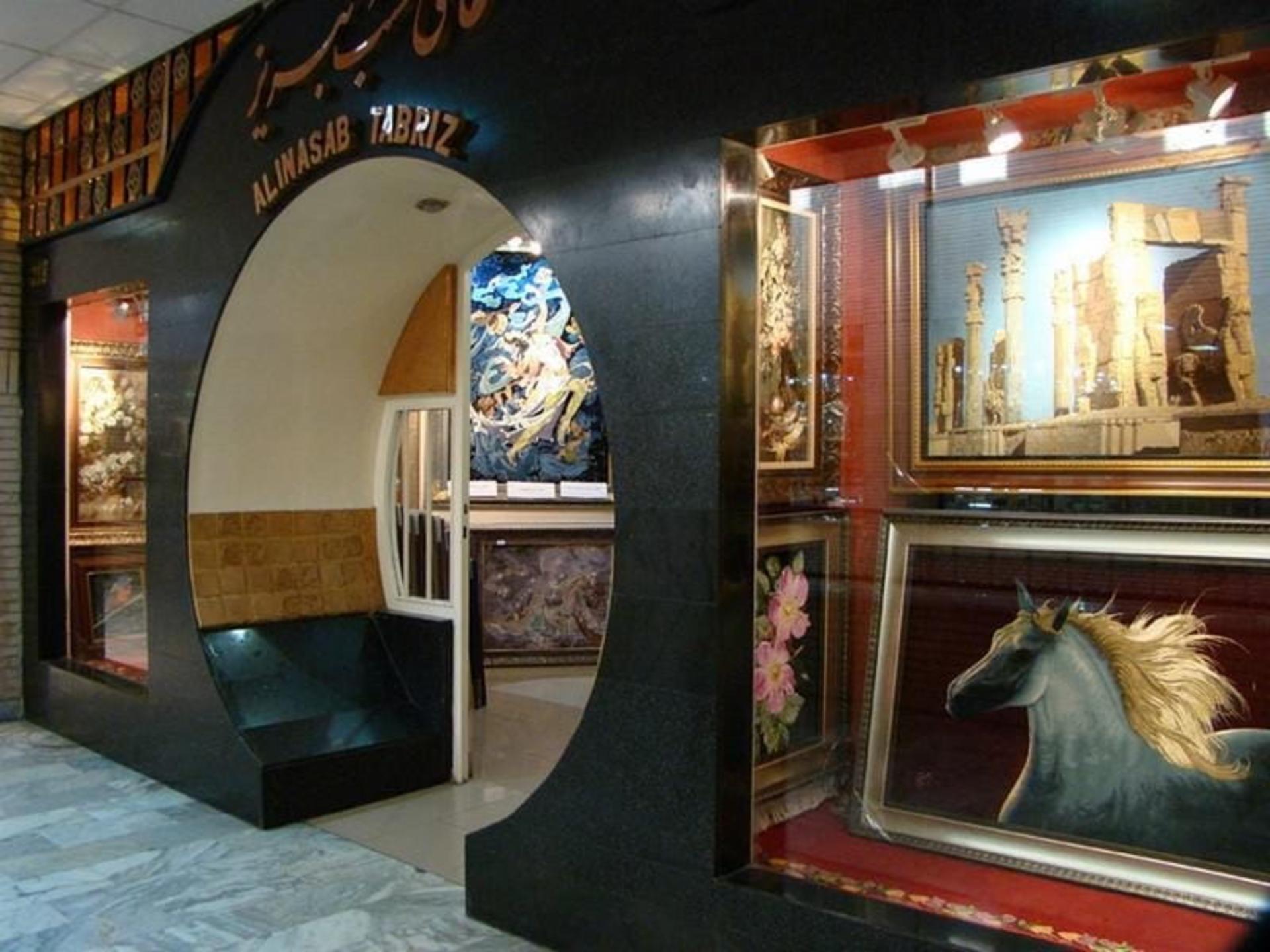
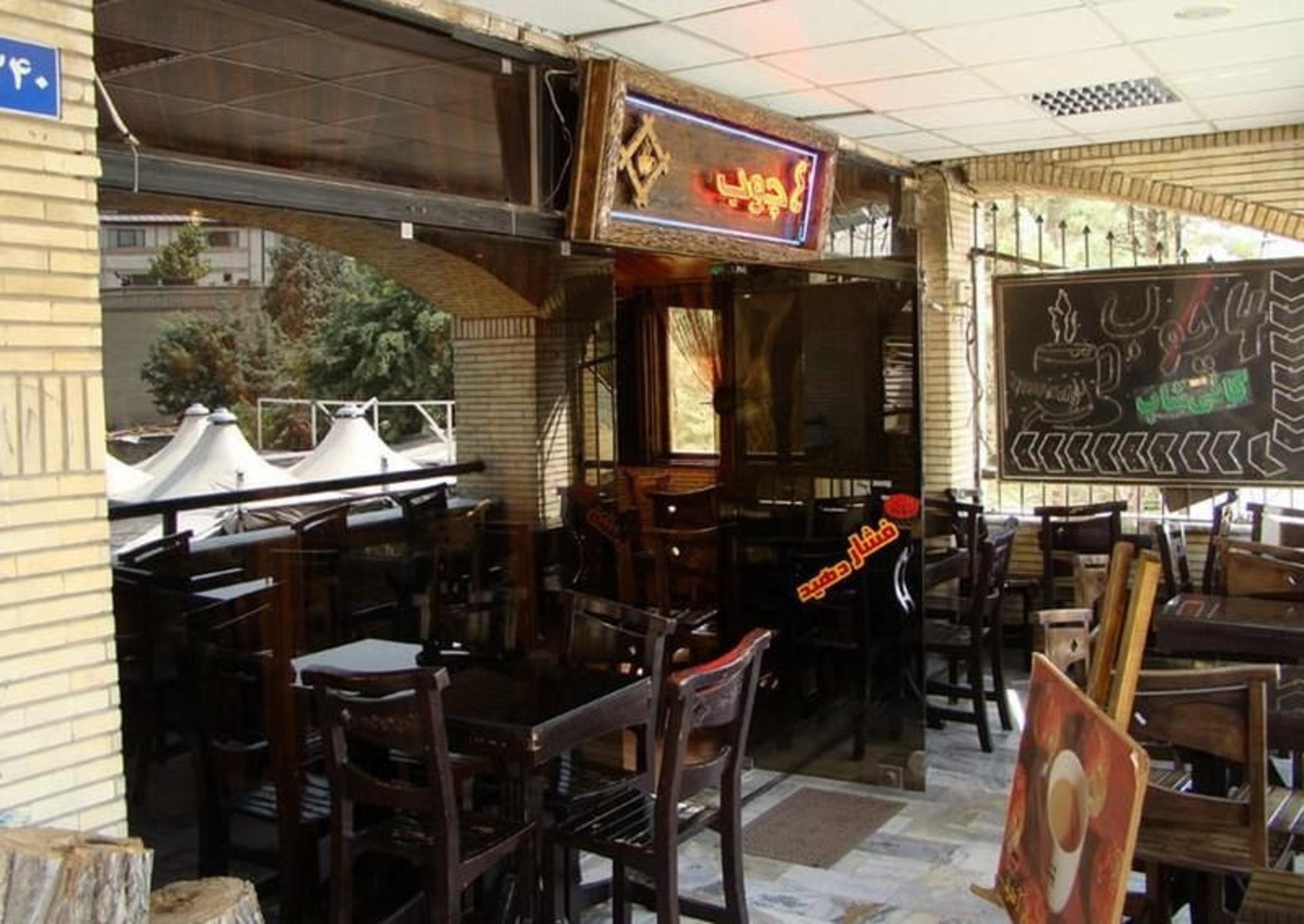
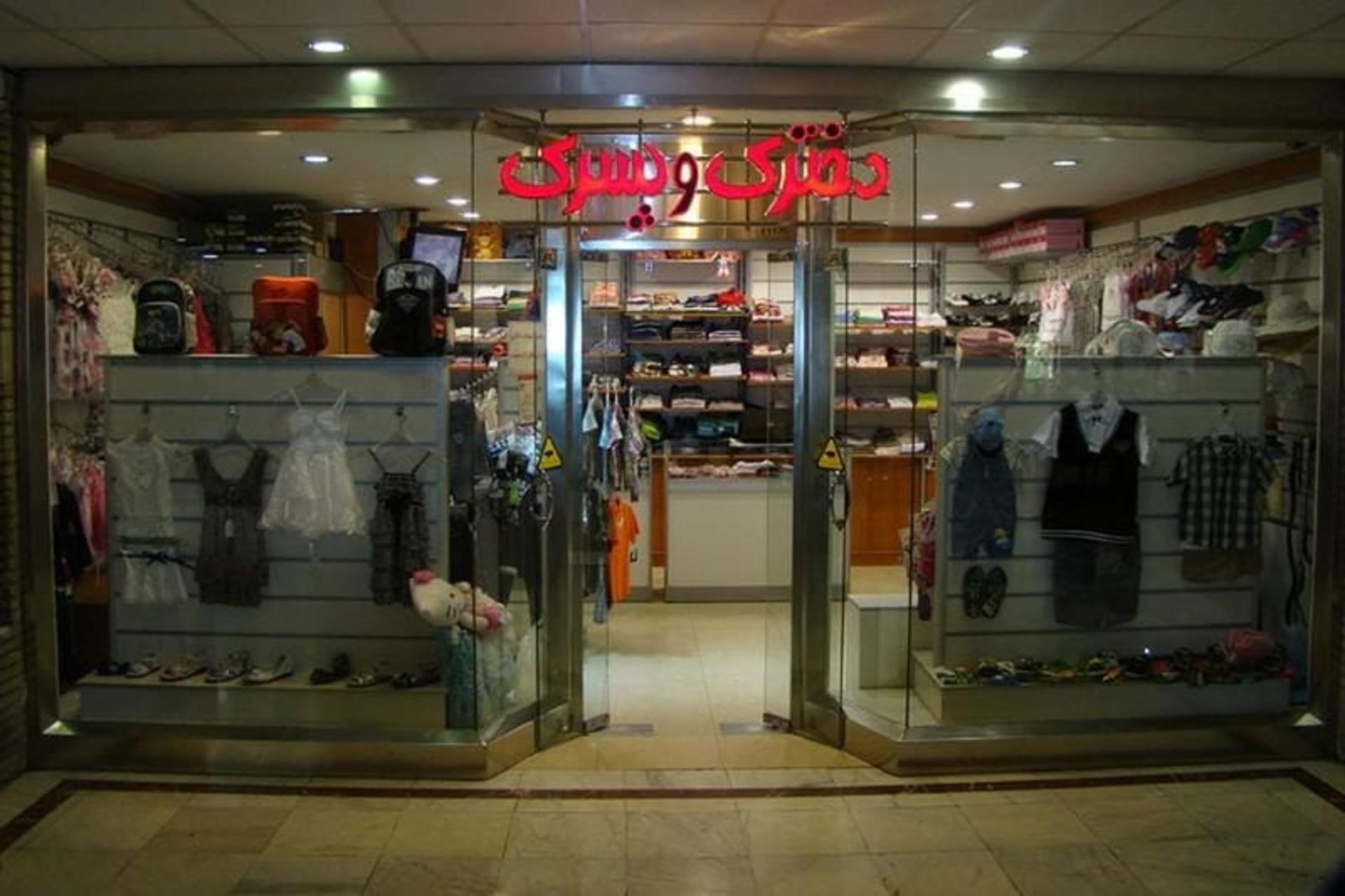
The complex contains 187 commercial units spread across three floors, plus 82 additional booths in the open areas and courtyards. The mix of shops is broad. You will find clothing stores, shoe shops, accessories boutiques, home furnishing outlets, stationery stores, and a variety of service providers including tailors, repair shops, and beauty salons. The food options range from small cafes to fast food counters, though the centre is not primarily a dining destination.
The ground floor is the busiest, with the widest variety of retail shops and the most foot traffic. The upper floors tend toward more specialized businesses: design studios, medical offices, and professional services that benefit from the lower rents and quieter environment above the main shopping level. The booths in the courtyards are often occupied by pop-up vendors and seasonal sellers, adding a layer of informality that contrasts with the more permanent shops inside.
Three levels of underground parking serve the complex, a feature that was innovative for its time and remains one of the reasons the centre continues to function well despite the dramatic increase in car ownership in Tehran since the 1970s.
The Architecture: Brick, Courtyards, and Light
The dominant material of the Golestan Business Center is brick, and it is brick used with remarkable inventiveness. The facade is not a flat wall with windows punched into it. It is a composed surface of varying brick patterns, recessed panels, and projecting courses that create a play of light and shadow that changes throughout the day. The architects chose brick not only for its aesthetic qualities but for its durability and its suitability to the climate of Tehran, where summer temperatures regularly exceed thirty-five degrees and the thermal mass of thick brick walls helps moderate interior temperatures.
The two courtyards are the organizational heart of the building. They serve as light wells, ventilating the shops that face inward, and they provide the open-air circulation spaces that give the complex its village-like character. The courtyards are planted with trees, and in spring the contrast between the warm brick and the green foliage is one of the most pleasant visual experiences in any Tehran commercial space.
The L-shaped plan means that the building sits between two streets, and the two wings face different directions, catching light at different times of day. This gives the courtyards a variety of atmospheres: one is sunnier and more open, the other shadier and more enclosed. Shoppers moving through the complex experience a sequence of spatial moods, from the bright openness of the main courtyard to the compressed intimacy of the covered passages and the tall, narrow stairways that connect the floors.
How to Get to Golestan Business Center
The Golestan Business Center is located in Shahrak-e Gharb, also known as the Qods district, in the western part of Tehran. The exact address is Shahrak-e Gharb, Iranzamin Street, Mahestan Street. The neighbourhood is one of Tehran's more affluent residential areas, with wide streets, mature trees, and a mix of low-rise commercial and high-rise apartment buildings.
By car, the centre is reached from the Hemmat Expressway or the Saderat Highway, both of which provide access to the Shahrak-e Gharb area. Parking is available in the three-level underground garage. By public transport, the closest metro station is Shahid Sadr Station on Line 1, though it is still a considerable walk from the station to the centre. Taxis and ride-hailing services are the most practical way to reach the complex if you are not driving.
Mehyar covers transport to and from the Golestan Business Center. Mehyar Taxi is the most convenient option for getting directly to the door, and Mehyar Flights can arrange airport transfers for visitors arriving in Tehran who want to include Shahrak-e Gharb in their itinerary. For those who prefer to combine shopping with other stops in western Tehran, Mehyar Taxi can organize a half-day itinerary covering the business centre and nearby destinations.
Opening Hours and Practical Information
The Golestan Business Center is open daily from 10:00 to 22:00. Entry is free. Most visitors spend between one and two hours in the complex, though architecture enthusiasts and those who like to browse small shops thoroughly may want to allow longer.
The best time to visit is on weekday mornings, when the courtyards are quietest and the light is at its best for appreciating the brickwork. Friday afternoons and holiday weekends are the busiest, with families using the centre as a shopping and social destination. If you prefer a calmer experience, avoid these peak times.
Photography is generally tolerated in the public areas, though some individual shop owners may object to being photographed inside their premises. The courtyards and exterior brickwork are the best subjects for photography.
Combining Your Visit with the Rest of Shahrak-e Gharb
Shahrak-e Gharb is worth a visit in its own right. The neighbourhood has some of the best restaurants and cafes in western Tehran, and a stroll through its tree-lined streets after a visit to the business centre is a pleasant way to spend an afternoon. The Iranzamin commercial area, just to the north, has additional shopping and dining options.
For visitors interested in modernist architecture, the Golestan Business Center can be combined with a visit to the Tehran Museum of Contemporary Art, also designed by Kamran Diba, in the central part of the city. The two buildings, separated by a decade of architectural debate and the upheaval of the revolution, show the same architect working at the intersection of Iranian tradition and international modernism, and comparing them illuminates the ambitions and constraints of the era.
Mehyar can help organize a full day in Tehran that includes the Golestan Business Center, the Museum of Contemporary Art, and other architectural landmarks. Mehyar Hotels covers accommodation throughout the city, and Mehyar Buses, Mehyar Trains, and Mehyar Flights handle transport to Tehran from anywhere in Iran.
Why Golestan Business Center Still Matters
In a city where commercial architecture tends toward glass towers and generic mall typologies, the Golestan Business Center stands as a reminder that Tehran once produced buildings of genuine architectural ambition. It is not a museum piece. It is a working commercial complex, full of shops and shoppers, serving the daily needs of its neighbourhood. But it does so inside a building that treats its visitors to an experience of space, light, and material that no glass box can match.
For travelers to Tehran, the Golestan Business Center offers something that the more famous landmarks cannot: an encounter with the city's modern architectural heritage, still alive and functioning, still shaping the daily lives of the people who shop and work within it. It is a building that rewards attention, and the more you look, the more you find.
A Note on Visiting
The Golestan Business Center does not advertise itself as a tourist destination. There are no guided tours, no information panels, no gift shop. It is a place of commerce, and it functions as one. But it is also a place of architectural beauty, and the people who designed it and built it clearly cared about the experience of the people who would use it. In a city that moves fast and changes constantly, that kind of care is worth seeking out.