There are cities in Iran that are defined by a single famous monument, and then there are cities like Meybod, where the entire urban fabric is a historical artifact. Located in the heart of the central Iranian desert, roughly midway between Tehran and the Persian Gulf, Meybod is one of the oldest continuously inhabited settlements in the country. With a history stretching back an estimated 7,000 years, this compact city in Yazd Province offers a concentrated dose of desert architecture, ancient fortresses, traditional crafts, and the quiet beauty of a place that has been trading, building, and living in the same spot since the earliest days of urban civilization.

A City Older Than Most Empires
Meybod sits on a gentle natural slope that runs from south to north, beside the remnants of ancient riverbeds and along the old road that once connected Rey to Kerman. The city covers an area of about 1,952 hectares and sits at an elevation of 1,234 meters above sea level. Its name is believed to derive from the Sassanid era, when a king named Qobad had a fortress built here for his son Mobed, who was ill and whose physicians recommended the dry desert air for recovery. The settlement was called Mobed-gard, which over centuries was shortened to Meybod.
Coins minted in Meybod from the Sassanid period have been found by archaeologists, confirming that the city was already a significant commercial and political center more than 1,500 years ago. Today, Meybod is the second-largest urban center in Yazd Province and an important commercial hub, though it retains the feel of a traditional desert town rather than a modern city.
Narin Castle: The Heart of Ancient Meybod
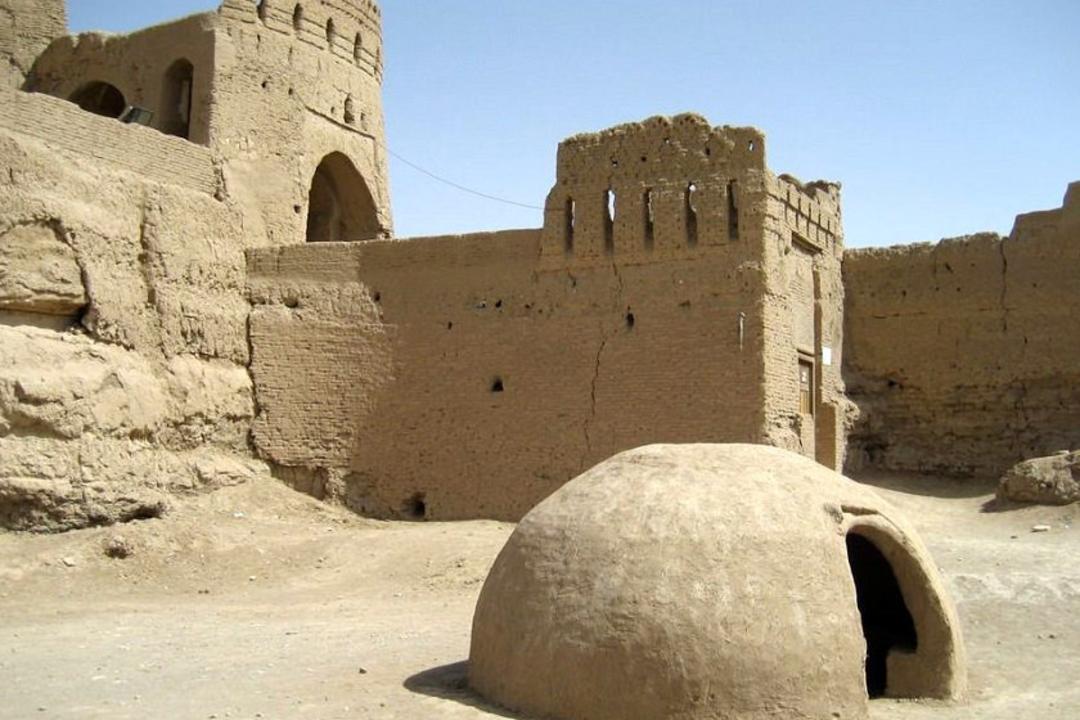
The most iconic landmark in Meybod is Narin Castle, an ancient fortress that dominates the city skyline. The castle's origins predate the Islamic period, and it has been an important military and administrative center through multiple eras. Archaeological findings within the castle complex suggest it was used for safeguarding valuable items and historical artifacts. In the early Islamic centuries, Narin Castle was described as an impregnable fortress.
Beneath the castle, a network of underground tunnels has been discovered, indicating that the structure served a military purpose and that these passages were used to supply water and food during sieges. The castle sits on elevated ground and offers panoramic views over the old town and the surrounding desert landscape. It is the single most visited historical site in Meybod and a must-see for anyone interested in ancient Iranian architecture.
Historical Architecture and Urban Heritage
Beyond Narin Castle, Meybod is rich in historical structures that illustrate centuries of desert urban life. The city's caravanserais, built along the ancient trade routes, once hosted merchants traveling between central Iran and the southern provinces. These caravanserais are fine examples of Persian commercial architecture, with enclosed courtyards, arched iwans, and rooms arranged around a central space.
The Firuzabad Jameh Mosque is one of the oldest mosques in the region, featuring simple but elegant desert mosque architecture. The historical ice house (yakhchal) of Meybod is another fascinating structure, demonstrating how pre-modern engineers created and stored ice in the harsh desert climate using nothing more than shade, wind, and the temperature difference between day and night.
Other notable structures include the pigeon towers, which were built to collect bird guano for use as fertilizer in the surrounding agricultural land; the Chapar-Khaneh, a historical postal station from the era when mounted couriers carried messages across the empire; and the.castles of Mehrjerd, Barchin, and Bashnighan, each with its own story and architectural character.
Pottery and Ceramics: A World-Famous Craft
Meybod is synonymous with pottery and ceramics. The tradition of making glazed tiles and decorative ceramics in this city goes back centuries, and today Meybod's pottery is exported worldwide. The city's Ceramic Museum showcases the history and art of this craft, with displays of traditional techniques, tools, and finished pieces ranging from simple everyday bowls to elaborate decorative tiles with intricate geometric and floral patterns.
Visitors to Meybod can visit the workshops where potters still work by hand, shaping clay on traditional wheels and firing pieces in wood-burning kilns. Buying a hand-painted ceramic piece is one of the best souvenirs you can take home from Meybod, and the prices are generally more reasonable than in larger tourist cities.

Local Food and Sweets
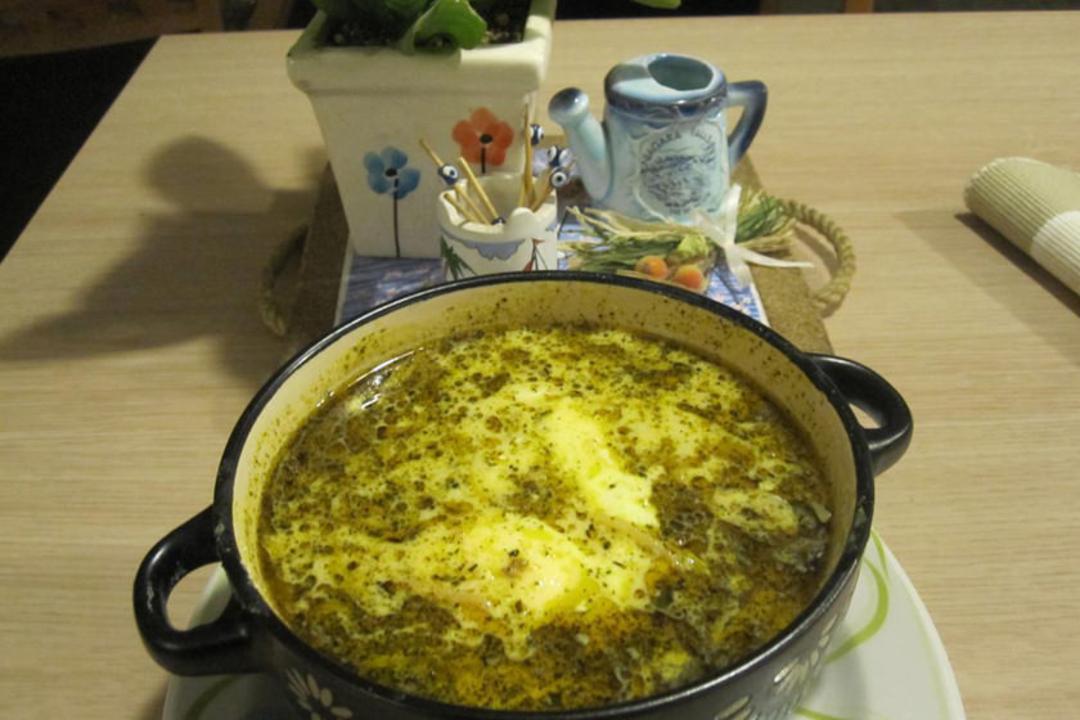
The culinary traditions of Meybod are closely tied to the broader Yazd Province, which is famous across Iran for its sweets and desserts. Local specialties include Ash-e Sholi, a thick soup made with herbs and grains; Ash-e Gundum, a wheat-based soup; Gheymeh-ye Nokhod, a split-pea stew; and Ghaliyeh Kadoo, a pumpkin stew that is particular to the region.
For sweets, Meybod and the wider Yazd area offer some of the best in Iran: Kotab, a delicate almond-filled pastry; Pashmak, the cotton-candy-like confection; Louz, a nut-based sweet; Haji Badami, a small almond cookie; Nan-e Panjereh-i, a lace-like fried pastry; and Halva Ardeh, a sesame-based sweet that makes an excellent gift to take home.
Desert Climate and When to Visit
Meybod lies on the global aridity belt and has a classic desert climate. Summers are hot, dry, and long, with temperatures reaching up to 43 degrees Celsius. Winters are cold and relatively humid, with temperatures occasionally dropping to around minus 7 degrees. The best time to visit is during spring, from March to May, when temperatures are mild and the desert landscape occasionally blooms. Autumn, particularly October and November, is also pleasant for sightseeing. If you visit in summer, plan your outdoor activities for early morning and late afternoon, and spend the hottest hours in museums or shaded caravanserais.
Getting There
Meybod does not have its own airport. The nearest airport is in Yazd, approximately 56 kilometers away, which takes about one hour by car. From Yazd, you can book a Mehyar Taxi for a direct transfer to Meybod.
From Tehran: The distance is approximately 570 to 627 kilometers, depending on the route, and the drive takes about 6 hours. Buses depart from Tehran's Western Bus Terminal to Meybod regularly.
By train: Train service is available, with a journey time of approximately 6 hours from Tehran.
From Isfahan: Meybod is about 230 kilometers from Isfahan, roughly a 3-hour drive. A Mehyar Taxi can arrange the journey for you.
Within the city: Local transport in Meybod consists of buses and taxis. There is no metro or BRT system. The compact size of the historical center means that most attractions are within walking distance of each other.

Where to Stay
Accommodation options in Meybod are modest compared to Yazd, but there are several charming traditional hotels and eco-lodges that offer an authentic desert experience. Hotel Haji Malek is a three-star hotel housed in a Qajar-era building with a traditional atmosphere. Hotel Golshan, also in a Qajar-period structure, has twelve rooms and six suites in a historical setting on Ayatollah Haeri Street. Hotel Behjat is another three-star option with parking and internet.
For a more immersive experience, eco-lodges such as Attar Eco-lodge, Shatorbamoon Eco-lodge in Dahabad, and Omme Rabbab Eco-lodge offer traditional accommodation in restored historical houses. Some visitors prefer to stay in Yazd and make a day trip to Meybod, which is easily done in a single day given the short distance.
Practical Tips
- Bring water and sun protection, especially in summer. The desert sun is intense and dehydration comes quickly.
- The historical sites in Meybod are compact and walkable. You can see Narin Castle, the ice house, the ceramic museum, and the caravanserais in a single day.
- Buy pottery directly from the workshops if you can. The quality is higher and the prices lower than in souvenir shops in larger cities.
- Meybod is a conservative desert town. Dress modestly, particularly when visiting mosques and historical neighborhoods.
- If you have time, combine your visit to Meybod with a trip to the nearby city of Yazd, which has its own rich collection of historical sites, Zoroastrian heritage, and desert gardens.
- A Mehyar guide can help you plan a combined itinerary for Meybod and the wider Yazd region, including transport between sites.
- The local dialect is a variant of Yazdi Persian, which is known for its distinctive accent and some unique vocabulary. You may notice differences in pronunciation compared to standard Tehrani Persian.
Meybod is not a city that overwhelms you with grandeur. It is, instead, a place of quiet accumulation, where thousands of years of continuous human habitation have left layers of history, architecture, and craft that reward close attention. For travelers interested in the deep history of the Iranian plateau and the resilience of desert civilizations, Meybod is an essential stop in any Yazd Province itinerary.