
In the leafy northern neighbourhood of Tajrish, where Tehran cascades toward the Alborz foothills and the air carries the scent of fresh bread mixed with roasted pistachios, stands a building that has been at the heart of local life for over four decades. Ghaem Passage is not merely a shopping mall. It is a layered, bustling, six-floor microcosm of Tehran's commercial spirit — a place where couples browse for wedding gold, artists hang their first canvases, and families gather over saffron rice at the food court. For anyone curious about how locals actually shop, eat, and socialise in Iran's capital, Ghaem Passage is an essential stop.

Where Is Ghaem Passage?
Ghaem Passage sits at the core of Tajrish Square in District 1 of Tehran — the city's northernmost district and one of its most culturally layered. The main entrance faces Tajrish Street, while a secondary entrance opens onto Shahrdari Street. The passage shares a border with the historic Tajrish Bazaar, and together they form one of the city's most dynamic commercial zones, blending traditional market culture with modern retail.
Tajrish itself is unlike any other neighbourhood in Tehran. Nestled at the foot of the mountains, it has retained a village-like intimacy despite being absorbed into the sprawling metropolis. The square is anchored by the beautiful Imamzadeh Saleh shrine, whose turquoise-tiled dome and minarets are visible from streets around the neighbourhood. Walking from the shrine to Ghaem Passage takes only a few minutes, making it natural to combine spiritual and commercial exploration in a single outing.
A Brief History
Precise records of Ghaem Passage's construction year are hard to come by, but according to shopkeepers and long-time neighbourhood residents, the building is roughly 40 years old — meaning it first opened its doors in the early 1980s. Its owner, Haj Hassan Vaezi, had a deep appreciation for art and culture, and this passion shaped the passage's identity from the beginning. Most notably, he reserved the entire sixth floor for young artists — a decision that was unusual for a commercial shopping centre and that has given Ghaem Passage a character that purely retail-focused malls cannot replicate.
Over the decades, the passage has evolved while maintaining its essential identity. It has survived political upheavals, economic shifts, and the rise of mega-malls on the outskirts of Tehran. Its continued popularity speaks to the enduring appeal of centrally located, human-scaled commercial spaces where personal relationships between shopkeepers and customers still matter.
The Six Floors
Ghaem Passage contains more than 700 commercial units spread across six floors, each with a distinct personality and specialisation.
Ground and Second Floors: Gold and Jewellery
The first two floors are the domain of jewellers. Gold, silver, precious stones, and wristwatches fill the display windows in a continuous glittering corridor. These floors are particularly popular with young couples preparing for weddings, as buying gold is a deeply embedded tradition in Iranian wedding customs. The concentration of jewellery shops in one location allows shoppers to compare prices and designs efficiently — an advantage that scattered standalone shops cannot offer.
Third Floor: Home Accessories and Handicrafts
The third floor shifts from personal adornment to domestic beauty. Here you will find shops selling kitchenware, home accessories, bags, shoes for women, and a selection of traditional handicrafts. This is the floor to visit if you are looking for a souvenir that captures Iranian craft traditions — from intricate khatam-kari inlaid pieces to hand-woven textiles.
Fourth Floor: Fashion
The fourth floor is dedicated to clothing — men's, women's, and children's fashion alongside scarves and accessories. It is one of the most visited floors, particularly on weekends, when families browse for seasonal wardrobes. Prices here are generally considered reasonable by Tehran standards, contributing to the passage's reputation as one of the capital's most accessible shopping destinations.
Fifth Floor: Electronics, Cosmetics, and Services
The fifth floor hosts mobile phone shops, computer services, cosmetics and beauty products, and a branch of Viouna Cafe. This floor also houses the security office and customer service desk. It is the practical heart of the passage — the floor where you get your phone repaired, pick up perfume, and pause for a coffee.
Sixth Floor: Art and Food
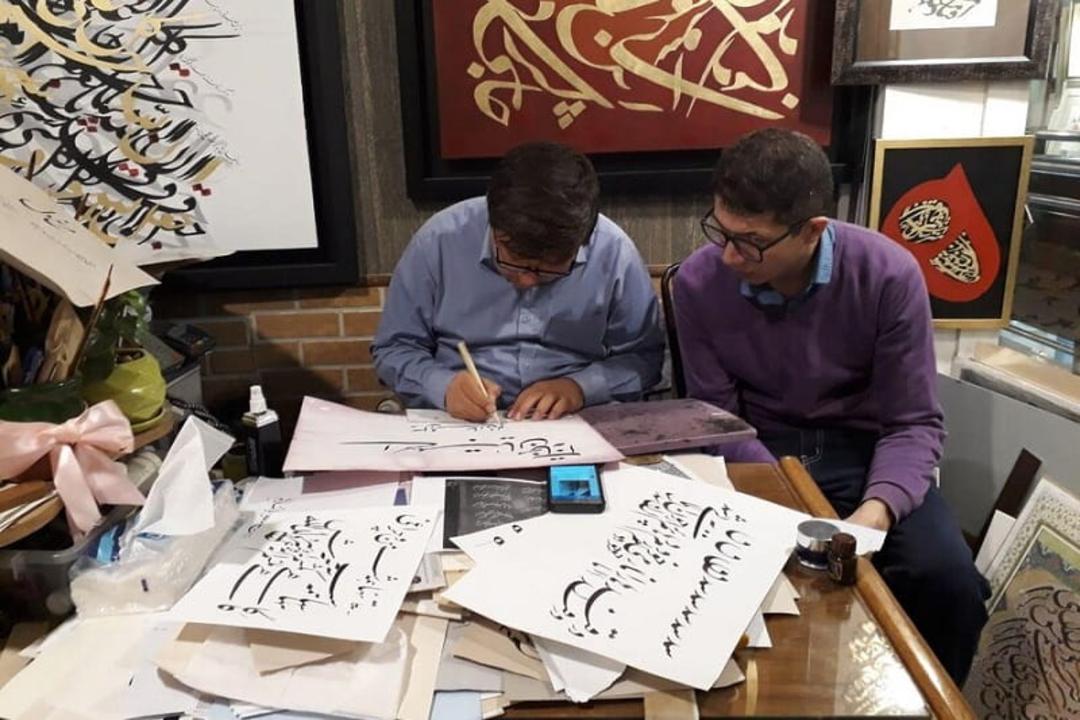
The top floor is where Ghaem Passage truly distinguishes itself. An entire level is dedicated to young artists and their work. Galleries display paintings, drawings, watercolours, mixed-media pieces, calligraphy, and marquetry. Art classes are offered by established and emerging instructors, creating a creative community within what is otherwise a commercial building. The sixth floor also houses one of Tehran's lesser-known food courts, where visitors can enjoy a meal surrounded by original artwork.
Nearby Attractions
A visit to Ghaem Passage pairs naturally with several nearby attractions.
Imamzadeh Saleh Shrine
Directly adjacent to Tajrish Square, the Imamzadeh Saleh shrine is one of Tehran's most important religious sites. The shrine is believed to house the remains of a descendant of Imam Musa al-Kadhim and brother of Imam Reza. The original structure dates back to the 8th century Hijri, though it has been renovated over the centuries. The beautiful dome, tilework, and minarets make it an architectural highlight, and the peaceful courtyard offers a welcome contrast to the commercial energy next door.
Tajrish Historic Bazaar
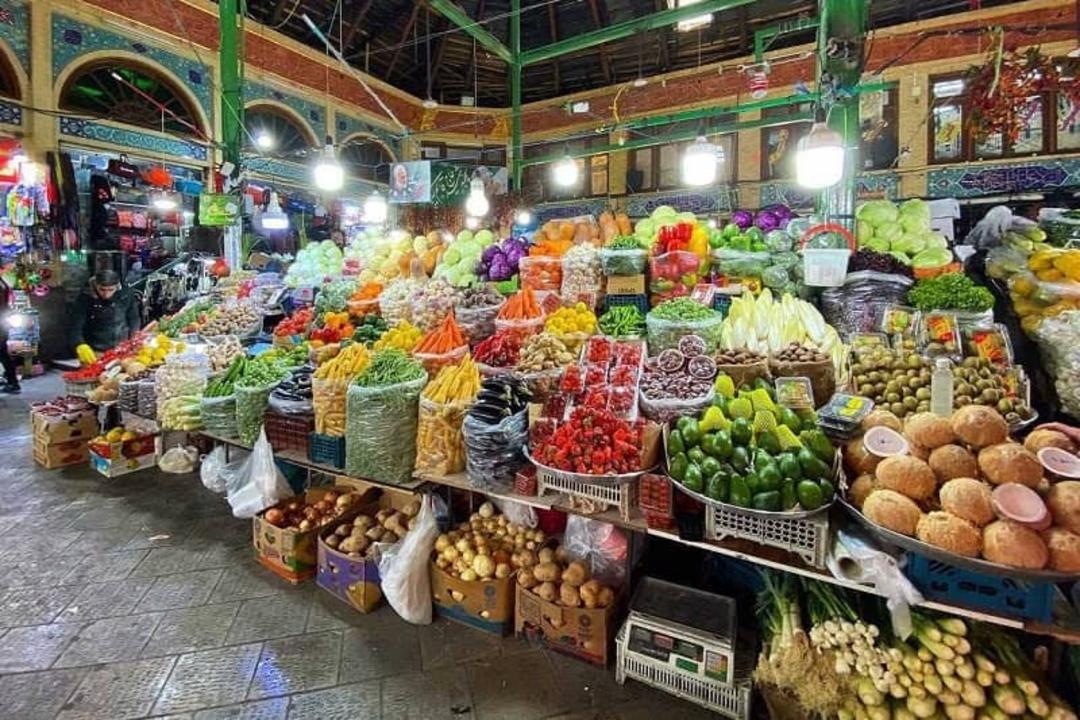
Wall-to-wall with Ghaem Passage, the Tajrish Bazaar is a traditional covered market offering a completely different shopping experience. Here you will find spices, nuts, dried fruits, decorative objects, clothing, costume jewellery, and fresh produce. The fruit and vegetable section is particularly vibrant, with beautifully packaged seasonal produce and pickles that make wonderful edible souvenirs. Like other traditional bazaars, Tajrish Bazaar has its own mosque and small prayer areas.
Dr. Hesabi Museum
A short walk from the passage, the Dr. Hesabi Museum commemorates the life and work of one of Iran's most prominent scientists. The museum is housed in the scientist's former residence and displays personal belongings, manuscripts, and scientific instruments. It is a quiet, thoughtful complement to the commercial bustle nearby.
Getting There
Reaching Ghaem Passage is straightforward from anywhere in Tehran.
By Metro. Take Tehran Metro Line 1 (dark blue) to Tajrish Station, the northern terminus. The station is on Shahrdari Street, approximately 300 metres from the passage — about a five-minute walk through the atmospheric Tajrish Bazaar.
By BRT. Bus Rapid Transit Line 7 (railway to Tajrish) terminates at Tajrish Square. Exit at the final stop and walk directly to the main entrance of Ghaem Passage.
By car. You can enter via either Tajrish Street or Shahrdari Street. Note that the passage does not have its own parking facility — you will need to use one of the nearby public parking lots or parking facilities belonging to adjacent shopping centres.
By Mehyar Taxi. The simplest way to reach Ghaem Passage is to open Mehyar, choose Taxi, and set your destination. A private car gives you the flexibility to explore Tajrish's surrounding neighbourhoods and wait while you browse the passage's many shops.
By Mehyar Buses. For those coming from other parts of Iran, Mehyar Buses connects to Tehran's central terminals, from where the metro provides a direct route to Tajrish.

Opening Hours
Ghaem Passage is open from Saturday to Thursday, 10:00 to 22:00. It is closed on Fridays and public holidays. Plan your visit for weekday afternoons if you prefer a more relaxed atmosphere; weekends tend to be busier, though the energy is part of the experience.
Tips for Visitors
Wear comfortable shoes — you will be walking between floors and through the adjacent bazaar. Bring cash as well as cards; while most shops accept bank cards, some smaller handicraft vendors may prefer cash. The passage has elevators and staircases connecting all floors, and restrooms are available on every floor except the second.
Photography is generally welcome in the passage, but be courteous and ask permission before photographing individual shopkeepers and their merchandise. The sixth-floor art galleries are particularly photogenic and the artists are usually happy to discuss their work.
If you visit during the approach to Nowruz (Iranian New Year in March), you will find the passage at its most festive. The pre-New Year shopping rush transforms the entire Tajrish area into a celebration of renewal and abundance, with special displays, seasonal treats, and an infectious atmosphere of anticipation.
Ghaem Passage is not a tourist attraction in the conventional sense — it does not appear on UNESCO lists or feature in architectural guidebooks. But it is something arguably more valuable: a living, functioning piece of Tehran where the city's commercial traditions, artistic ambitions, and social rhythms converge under one roof. For visitors who want to experience Tehran as locals experience it, the passage offers an authenticity that no curated museum or curated market can match.