
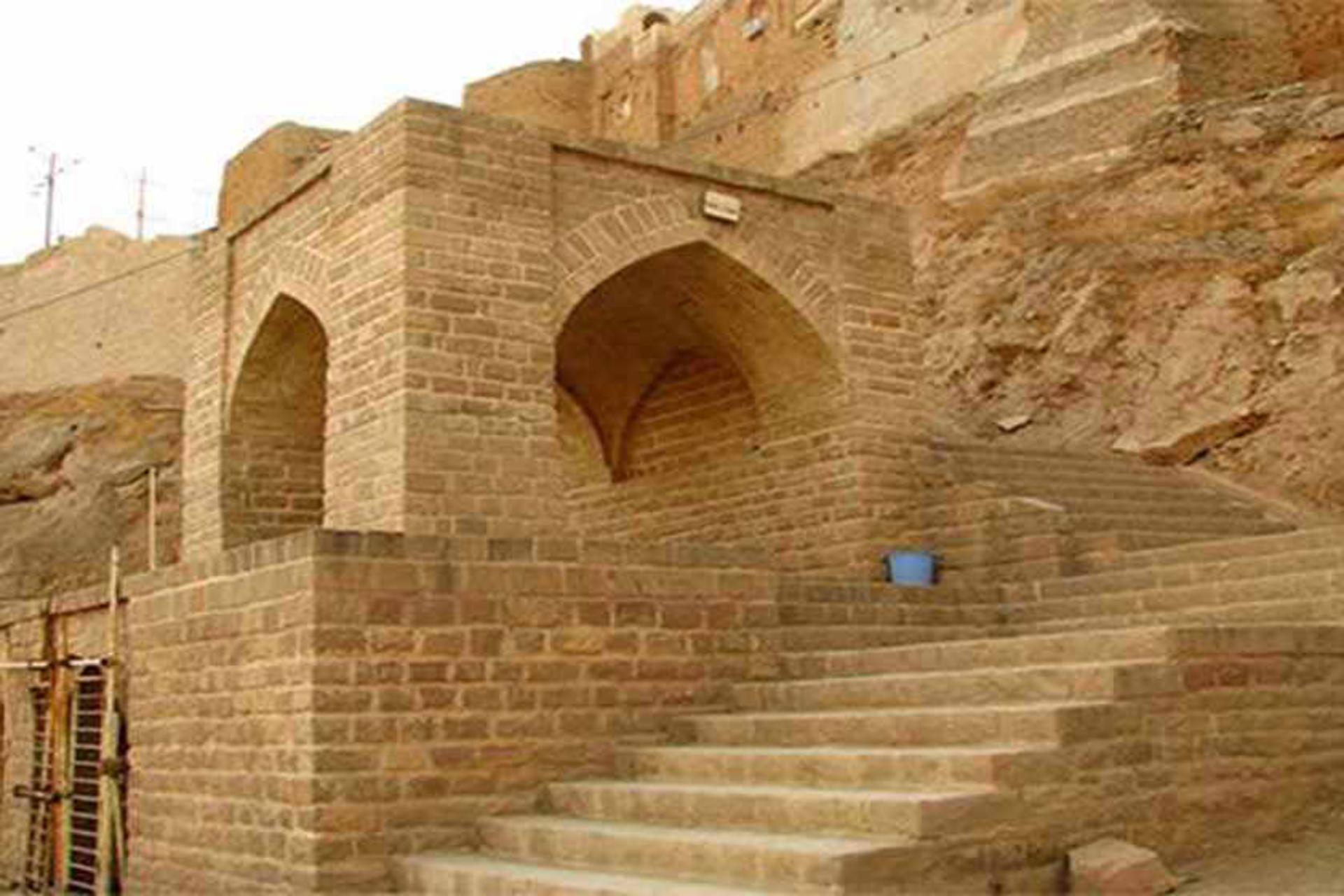
In the heart of Shushtar, where the Gargar River carves its way through Khuzestan's warm alluvial plain, stands a deceptively simple structure that tells a rich story about Iran's living architectural heritage. The Four Arches of Shushtar, known in Persian as Chahar Taqi, is a domed prayer hall erected on four massive pillars during the Qajar period. Unlike the ancient Zoroastrian fire temples that traditionally bore the chahar-taqi form, this building served the working people of Shushtar's watermills as their mosque and prayer space, connecting sacred geometry with daily labor in a way few Iranian monuments can match.
A Structure Born from Water and Work
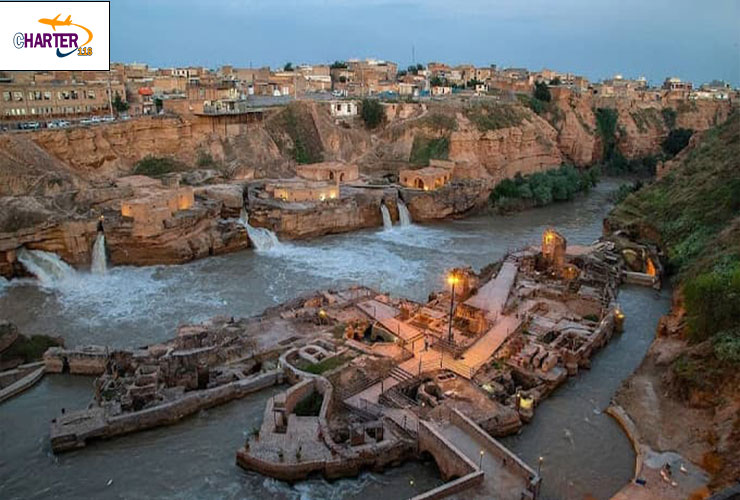
Shushtar has been shaped by water for millennia. The city's legendary hydraulic system, a UNESCO World Heritage Site, channels the Karun River through a network of mills, dams, tunnels, and waterfalls that have operated since at least the Sassanian period. The millers who tended these machines lived and worked in the constant roar of rushing water, and they needed a place of worship close at hand. The Qajar-era patrons of the Four Arches understood this need and provided a building that was both spiritually dignified and practically convenient.
The structure takes the ancient chahar-taqi form: four freestanding arches supporting a central dome. This design originated in pre-Islamic Persia as the framework for Zoroastrian fire temples, where the open-sided hall allowed the sacred flame to be visible from all directions. By the Qajar period, the form had been adapted for Islamic use. The dome, which draws its structural strength from the four arches beneath it, creates a cool, echo-rich interior that amplifies the call to prayer and shelters worshippers from Khuzestan's punishing summer heat.
What Makes the Architecture Remarkable
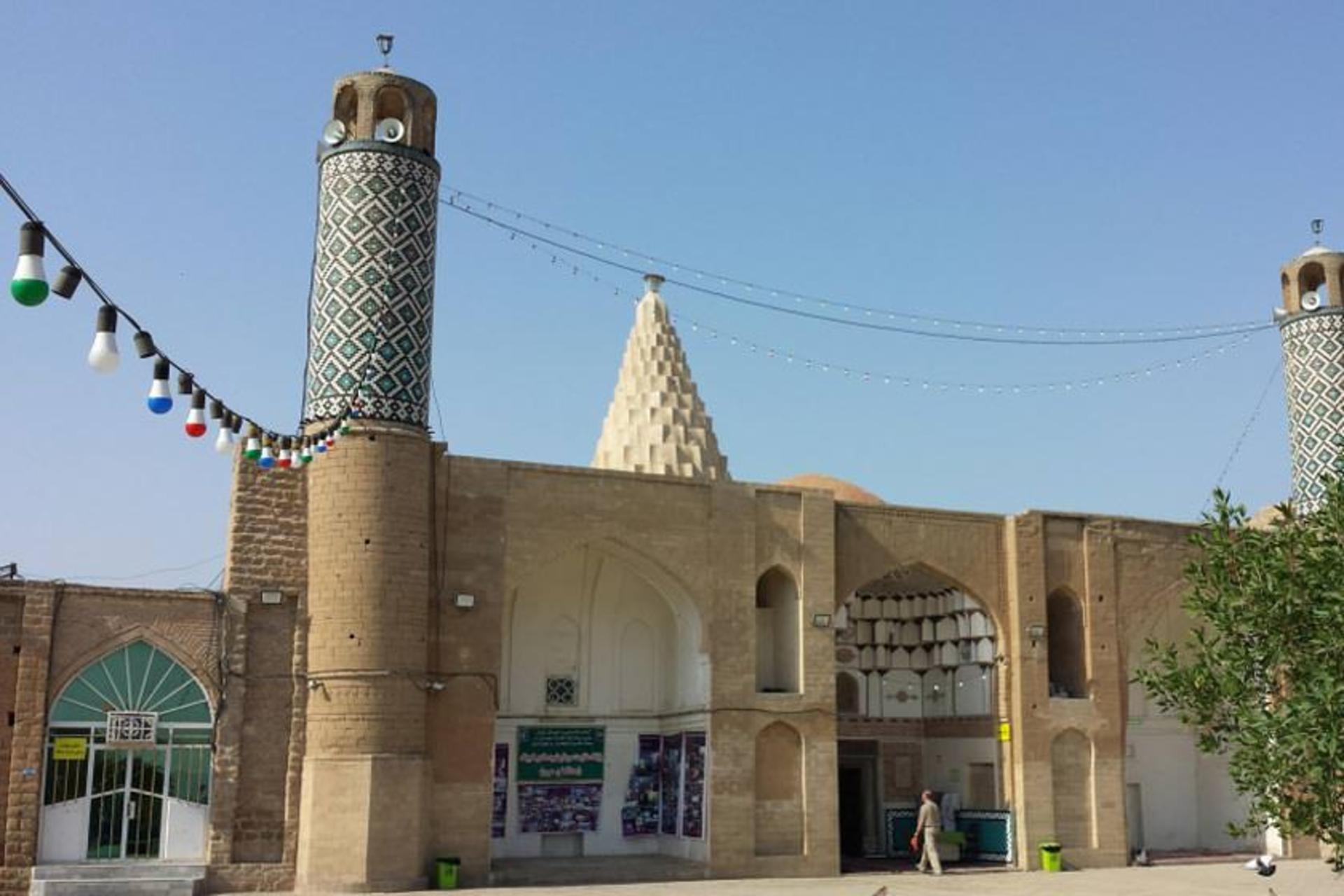
Visitors approaching the Four Arches from the riverbank notice first the proportions. The four arches are not merely decorative. They carry the full weight of the dome through a sophisticated system of squinches and pendentives that transition from the square base to the circular dome above. The brickwork displays the understated craftsmanship of Qajar masons, who favored structural clarity over excessive ornament.
Inside, the dome creates a natural acoustic environment. The concave brick surface focuses sound toward the center, making even a quiet recitation audible throughout the space. This was no accident. The architects understood that the millers, accustomed to the deafening noise of grinding stones and rushing water, needed a space where the imam's voice could carry clearly. The thermal mass of the thick brick walls also keeps the interior significantly cooler than the outside air, offering relief during Shushtar's long, blistering summers when temperatures regularly exceed forty degrees Celsius.
The building sits directly on the Gargar River bank, one of the two main channels that split the Karun as it passes through Shushtar. This location was deliberate. The river provided ritual water for ablutions, and the proximity to the mills meant workers could pause for prayer without losing significant time. Today, the sound of flowing water still accompanies visitors as they explore the site.
The Living Context of Shushtar's Hydraulic Heritage
The Four Arches does not exist in isolation. It forms part of a remarkable ensemble of historical structures in Shushtar that together illustrate over two thousand years of hydraulic engineering. The UNESCO-listed Shushtar Historical Hydraulic System includes the Band-e Qaiser, also known as Caesar's Dam, a Sassanian-era weir attributed to Roman prisoners of war. The network also features water channels and tunnels carved through rock and the watermills themselves, some of which remained in use well into the twentieth century.
Walking from the Four Arches along the Gargar River, you pass the remains of traditional milling operations, stone-cut channels where water was directed to individual mill wheels, and the dramatic waterfall where the Gargar rejoins the main Karun channel. The entire landscape is an open-air museum of human ingenuity applied to one of civilization's most fundamental challenges: controlling water for productive use.
How to Get There
Shushtar sits in northern Khuzestan province, approximately ninety kilometers northeast of Ahvaz, the provincial capital. The most common route is via the Ahvaz-Shushtar road, a well-maintained highway that takes about one hour by car. Ahvaz itself is accessible by air through Ahvaz International Airport, by rail from Tehran and other major cities, and by intercity bus services that run frequent routes across southwestern Iran.
Within Shushtar, the Four Arches is located on the Gargar River bank in the city center. The site is within walking distance of the main bazaar and other historical attractions including the Salasel Castle and the Traditional Market. For getting around Shushtar and reaching nearby attractions such as the Band-e Qaiser or the watermill complex, Mehyar Taxi provides reliable local transport with drivers who know the historic sites well. If you are exploring multiple heritage locations in a single day, arranging a taxi through the Mehyar platform saves time and ensures you have a driver familiar with the sometimes narrow riverside paths.
Hours and Tickets
The Four Arches of Shushtar is open to visitors daily and admission is free. There are no restricted hours, though the site is best visited during daylight when you can appreciate the architectural details and the interplay of light through the arches. Early morning and late afternoon offer the most photogenic conditions, with warm light filtering through the open sides of the dome and casting long shadows across the riverbank. Plan to spend between one and two hours at the site if you wish to photograph the structure carefully and explore the surrounding riverside context.
Nearby Attractions and Practical Tips
Shushtar rewards visitors who give it a full day or two. Within a compact area around the Four Arches, you will find several other significant historical sites:
The Salasel Castle, a medieval fortress with Sassanian foundations, stands just minutes away and offers insight into the military history of this strategically vital region. The castle's underground chambers, which once served as prisons, create a haunting contrast with the open, light-filled space of the Four Arches.
The Shushtar Traditional Bazaar, one of the oldest covered markets in Khuzestan, provides a lively atmosphere where local farmers and craftsmen sell dates, spices, handwoven fabrics, and the distinctive silver filigree work that the region is known for. The bazaar is at its most atmospheric on weekday mornings when rural vendors arrive with their produce.
The Band-e Qaiser, the ancient Roman-Persian dam, lies a short walk downstream and represents one of the most remarkable survivals of Sassanian engineering anywhere in Iran. The structure, which combines a dam with a bridge, is believed to have been built using labor from Roman prisoners captured after the Battle of Edessa in 260 CE.
For visitors planning a longer stay in Khuzestan, the Mehyar Hotels platform lists accommodation options in Shushtar and nearby Ahvaz, ranging from budget guesthouses to comfortable hotels. The Mehyar Wallet can be used for seamless payments at local shops and restaurants, reducing the need to carry cash in this warm climate where you will want to travel light.

Best Time to Visit
Khuzestan's climate is extreme. Summer temperatures regularly surpass forty-five degrees Celsius, making outdoor exploration genuinely dangerous without proper hydration and sun protection. The ideal time to visit the Four Arches and the rest of Shushtar's historical sites is between late October and early April, when daytime temperatures are pleasant and the river flows at its fullest after the winter rains. Spring brings wildflowers to the surrounding plains and creates the most scenic conditions for photography along the Gargar River.
Night visits during the cooler months also have their appeal. The Four Arches, illuminated against the dark sky with the sound of the river providing a natural soundtrack, offers a contemplative atmosphere that few daytime visits can match. The site is safe and accessible after dark, though bringing a flashlight helps if you want to examine the upper brickwork of the dome.

The Four Arches of Shushtar is not the most famous monument in Iran, and that is precisely part of its charm. It attracts few organized tour groups, which means you can often experience the space in near solitude. The building speaks not of imperial grandeur but of the practical piety of working people and the enduring relationship between architecture, water, and community in one of Iran's most historically rich provinces.