
In the northeastern corner of Sanandaj's old urban fabric lies Charbagh, one of the city's most historically significant neighborhoods. Established during the Qajar era under the rule of Khosrow Khan Ardalan, this district has witnessed more than two centuries of Kurdish life, commerce, worship, and artistic achievement. While the architectural traces of its founding period may be subtle, the neighborhood's streets, bazaars, mosques, and community spaces collectively form a living museum of Sanandaj's cultural heritage. For visitors to Kurdistan Province, Charbagh offers an intimate encounter with the daily rhythms and historical depth of one of Iran's most culturally rich cities.
The Origins of Charbagh
The story of Charbagh begins in the late 12th century of the Islamic calendar, corresponding to the late 18th century CE. During this period, Sanandaj was governed by Khosrow Khan Ardalan, a prominent ruler from the Ardalan dynasty, which had long held sway over the Kurdish regions of western Iran. The year 1197 AH marks the establishment of Charbagh as a formal neighborhood, created as Sanandaj expanded beyond its original core to accommodate a growing population and the administrative needs of the Ardalan governance.
The name Charbagh, meaning "four gardens" in Persian and Kurdish, evokes the pleasant landscape that once characterized the area. While the gardens have long since given way to urban development, the name persists as a reminder of the neighborhood's origins in a verdant setting outside the dense medieval core of the city.
Architectural Heritage
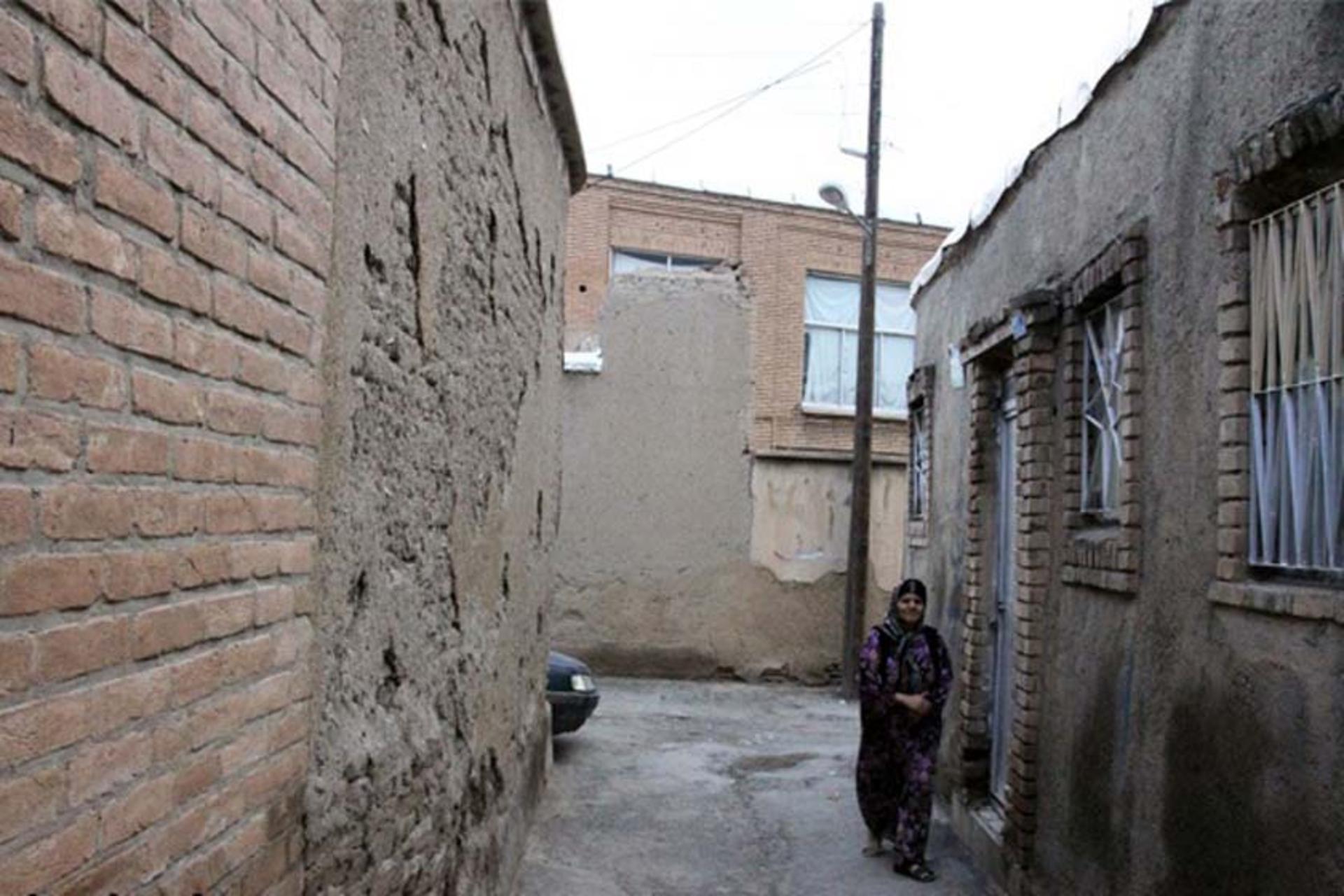
Walking through the streets of Charbagh today, one does not immediately encounter the grand Qajar-era monuments found in cities like Tehran or Isfahan. The architectural legacy of the founding period is more subtle, woven into the fabric of the neighborhood's older structures rather than expressed in towering facades. Narrow lanes wind between houses built in the traditional Kurdish style, with stone foundations, mud-brick walls, and flat roofs designed for the region's continental climate, with cold, snowy winters and hot, dry summers.
What is most striking about Charbagh is not individual architectural masterpieces but the cumulative effect of a coherent urban environment shaped by centuries of continuous habitation. The neighborhood's scale, its relationship to the surrounding topography, and the pattern of its streets all reflect the planning sensibilities of the Qajar period, even if the individual buildings have been modified, rebuilt, or modernized over time.
The Charbagh Bazaar and Timcheh
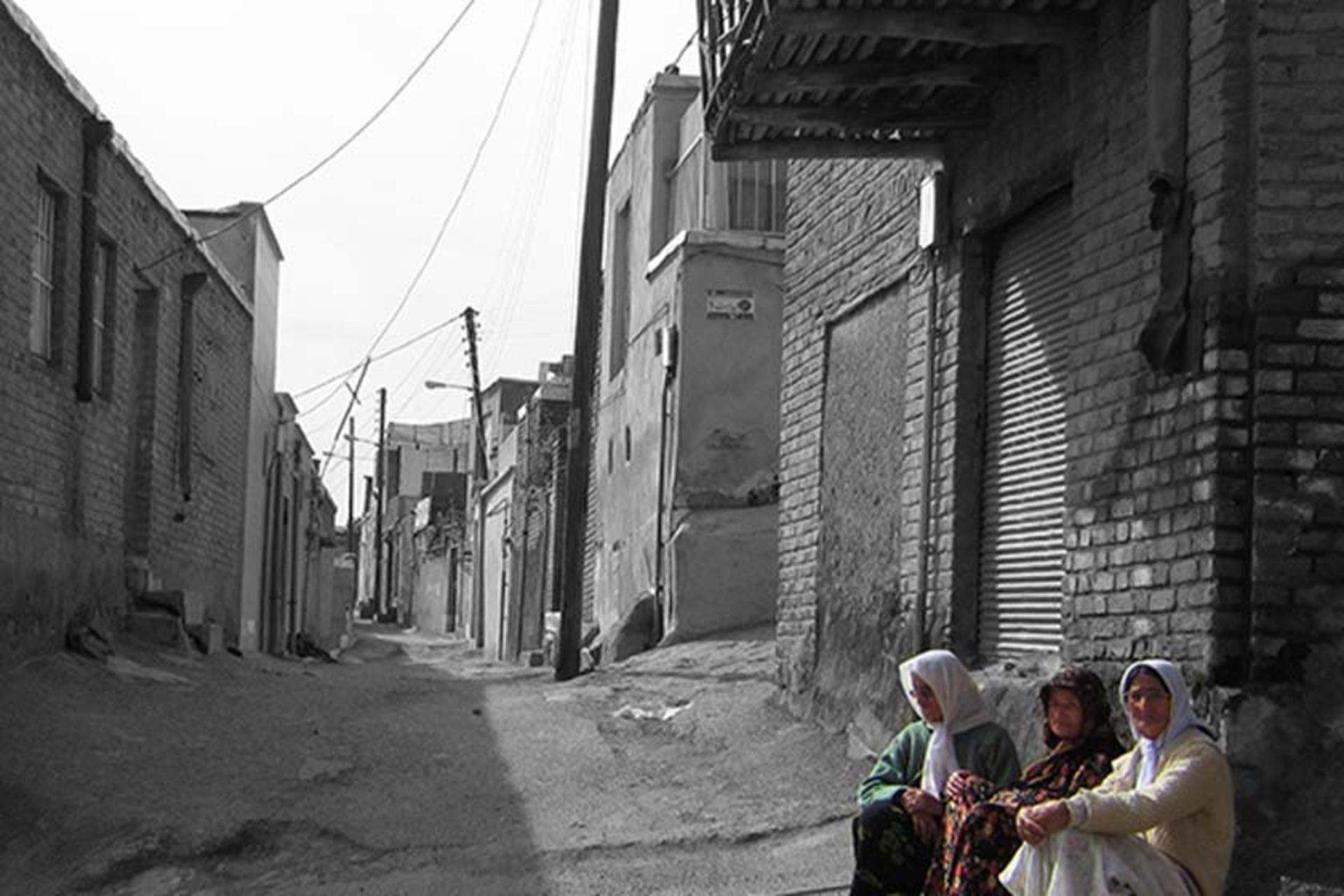
At the commercial heart of the neighborhood stands the Charbagh Bazaar, a covered market that has served as the neighborhood's trading center since its establishment. Though smaller and less famous than Sanandaj's main bazaar, the Charbagh Bazaar retains a character all its own, with its low ceilings, narrow aisles, and intimate scale creating an atmosphere that feels worlds apart from the grand vaulted halls of Isfahan or Tabriz.
Within the bazaar complex, the Shahbaz Timcheh (also known as Shahbaz Passage) is a particular highlight. A timcheh is a covered commercial space, typically used for the trade of specific goods. The Shahbaz Timcheh was historically a center for the textile and fabric trade, and its architecture reflects the importance of commerce in the neighborhood's identity. The passage leads through a series of small shops and courtyards, its structure a testament to the commercial vitality that has sustained Charbagh for generations.
Mosques and Religious Life
Charbagh is home to several mosques that serve not only as places of worship but also as architectural landmarks and community gathering points. The Darough Mosque, the Hariri Mosque, and the Molla Shafi Mosque are among the most notable, each with its own history and character.
The Darough Mosque takes its name from the darough, or police chief, of the Qajar period, suggesting that it was founded or sponsored by a local official. The mosque serves as a reminder of the close relationship between governance and religious institutions in traditional Iranian urban planning, where the mosque, the bazaar, and the governor's office formed a triad at the center of civic life.
The Hariri Mosque and the Molla Shafi Mosque complement this religious landscape, together forming a network of spiritual and social centers that have anchored the neighborhood's community life for centuries. Each mosque reflects the local building traditions of Sanandaj, with adaptations for the Kurdish climate and cultural preferences.
Notable People and Cultural Legacy
Charbagh has been more than a place of residence and commerce. Over the decades, the neighborhood has produced individuals who have made significant contributions to Iranian sports, music, and culture. Among the most celebrated sons of Charbagh is Bijan Zolfagharnasab, one of Iran's most iconic football figures, whose connection to the neighborhood reflects the deep community roots of Iranian sports culture.
Equally important is Charbagh's association with the Kamkar family, one of the most celebrated musical dynasties in Iranian culture. The Kamkar musicians, with their mastery of Kurdish and Persian classical music, have brought international recognition to the musical traditions of Kurdistan. Their roots in the Charbagh neighborhood speak to the rich artistic environment that Sanandaj's old quarters have fostered over generations.
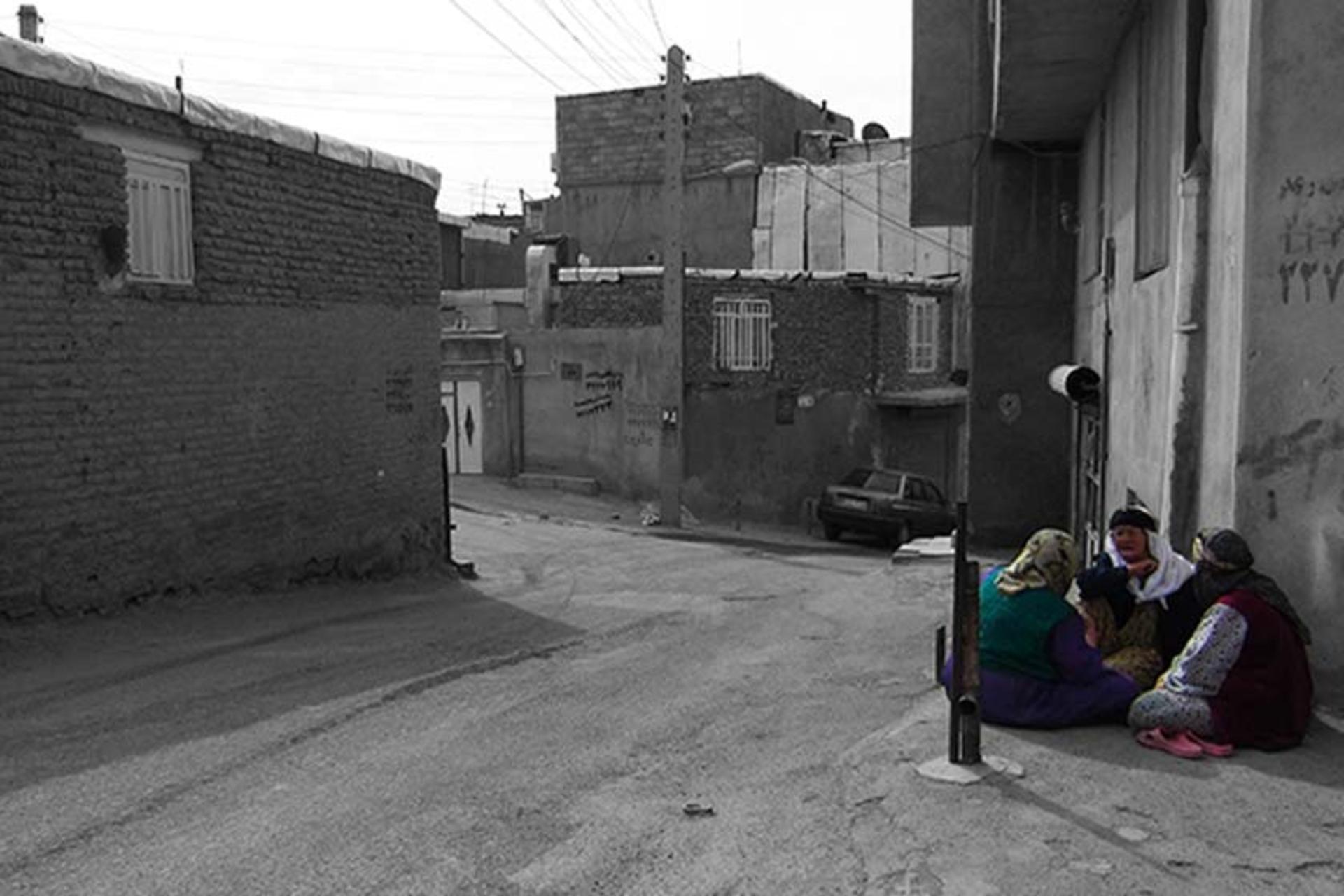
The neighborhood's cultural contributions extend beyond individual fame. The streets of Charbagh have long echoed with the sounds of Kurdish music, the call to prayer, the bustle of bazaar commerce, and the conversations of a community that has preserved its language, traditions, and identity through centuries of change.
The Neighborhood Today
Today, Charbagh remains a living, functioning neighborhood rather than a preserved museum district. Residents go about their daily lives, children walk to school through the same narrow lanes their parents and grandparents traversed, and the bazaar continues to serve as a commercial hub for the surrounding area. This continuity gives Charbagh an authenticity that purpose-built tourist destinations cannot replicate.
Visitors to the neighborhood will find a community that is welcoming and proud of its heritage. The pace of life is slower than in the modern parts of Sanandaj, and the built environment tells stories that no plaque or guidebook can fully capture. The old houses with their carved wooden doors, the corner shops that have served the same families for decades, the courtyards where pomegranate trees grow behind high walls, all contribute to an atmosphere of quiet endurance.

Practical Information for Visitors
Getting There: Charbagh is located in the northeastern part of Sanandaj's old city center. It is easily accessible by taxi from any point in the city. Sanandaj is connected to Tehran by air (approximately one hour) and by road (approximately six to seven hours via the Hamadan corridor or the Kermanshah route).
Exploring the Neighborhood: Charbagh is best explored on foot. Allow at least two hours to walk the main streets, visit the bazaar and timcheh, and appreciate the mosques from the outside. Entry to mosques may require permission from the caretaker, and visitors should dress modestly. The neighborhood is safe and welcoming, but as in any urban area, it is courteous to ask before photographing residents.
Combining with Other Sights: Charbagh can easily be combined with visits to Sanandaj's other attractions, including the Aali Qapu Mansion, the Kurdistan Museum, the traditional hammams, and the city's main bazaar. A full day in Sanandaj's old quarters provides a comprehensive experience of the city's cultural heritage.
Best Time to Visit: Sanandaj has a continental climate with cold winters and hot summers. The best times to visit Charbagh are spring, when the weather is mild and the surrounding mountains are green, and autumn, when the heat has abated and the light takes on a golden quality that enhances the neighborhood's warm stone tones.
Local Cuisine: While exploring Charbagh, visitors should take the opportunity to sample Kurdish cuisine. Local specialties include kbab (particularly the Kurdish style with walnuts and pomegranate), dashari (a type of kebab), and various herb-infused rice dishes. Tea houses in and around the bazaar offer a place to rest and observe the neighborhood's daily life over a glass of freshly brewed tea.
Charbagh is not a neighborhood that reveals its treasures at first glance. It rewards the patient visitor who takes the time to walk its lanes, listen to its sounds, and appreciate the layers of history embedded in its walls. In an era of rapid urban change, Charbagh stands as a testament to the resilience and continuity of Kurdish urban culture in western Iran, a place where the past is not a distant memory but a living presence in every stone, every archway, and every face.