
In the fertile plain between the western slopes of Mount Sahand and the eastern shores of Lake Urmia, Bonab County sits at a crossroads that has seen human settlement for roughly six thousand years. The county, whose center is the city of Bonab, is the sixth-largest city in East Azerbaijan Province with a population of over 85,300. It is a place where ancient history and living traditions merge seamlessly, where the smell of charcoal-grilled kabab fills the air of a historic bazaar, and where tens of thousands of cyclists take to the streets each year in one of Iran's largest sporting gatherings.
Bonab's strategic location at the junction of major routes connecting East Azerbaijan, Kurdistan, Kermanshah, and the holy cities of Iraq has made it an important stop for traders, pilgrims, and travelers throughout history. Today, the city retains much of its traditional character while serving as a comfortable base for exploring the natural and cultural treasures of southern East Azerbaijan. With Mehyar Taxi, you can move easily between the county's scattered attractions, from rock-cut villages to wetlands teeming with birds.
Where Is Bonab County?
Bonab County covers 779 square kilometers in the southern part of East Azerbaijan Province. The county is bordered by Ajab Shir to the north, Maragheh to the east, Lake Urmia to the west, and Malekan County and West Azerbaijan Province to the south. The average elevation is 1,600 meters above sea level, with the highest point at Qizil Dagh reaching 2,250 meters. The proximity to Lake Urmia influences the local climate, creating a moderate weather pattern with warm, pleasant summers and cold, snowy winters.
The city of Bonab itself sits 120 kilometers south of Tabriz, the provincial capital, and roughly 600 kilometers from Tehran. This location places it within easy reach of both major cities while maintaining a distinctly local identity. The county is accessible by road, rail, and air, with a train station on the Tehran-Tabriz line and Maragheh airport just 13 kilometers away. Tabriz international airport, at 120 kilometers, offers more flight options.
A Living Heritage of Six Millennia
Archaeological evidence from Qarah Tappeh Gavzasht and Qizlar Qalasi (Castle of the Girls), one of 93 ancient mounds in the area, points to continuous human habitation since at least the fourth millennium BCE. The geographic position between the Sahand foothills and Lake Urmia made this an ideal location for early settlement, providing water, fertile soil, and protection from invaders.
Perhaps the most dramatic testimony to Bonab's ancient past is the rock-cut village of Sur, located in the county's mountainous areas. This village, with its man-made caves carved directly into the volcanic rock, dates back roughly 3,000 years and is considered one of Iran's masterpieces of rock-cut architecture. Each cave unit contains a living room, stable, storage area, seating platform, lightwell, and holes for hanging belongings. Some experts consider the historical fabric of Sur even more significant than the better-known rock village of Kandovan. The village remains inhabited today, making it one of Iran's living heritage sites. Nearby, the Turang Darasi recreational area and the Chakhmakhlar and Ghuyunlar caves offer additional exploration opportunities.
The Bicycle City of Iran
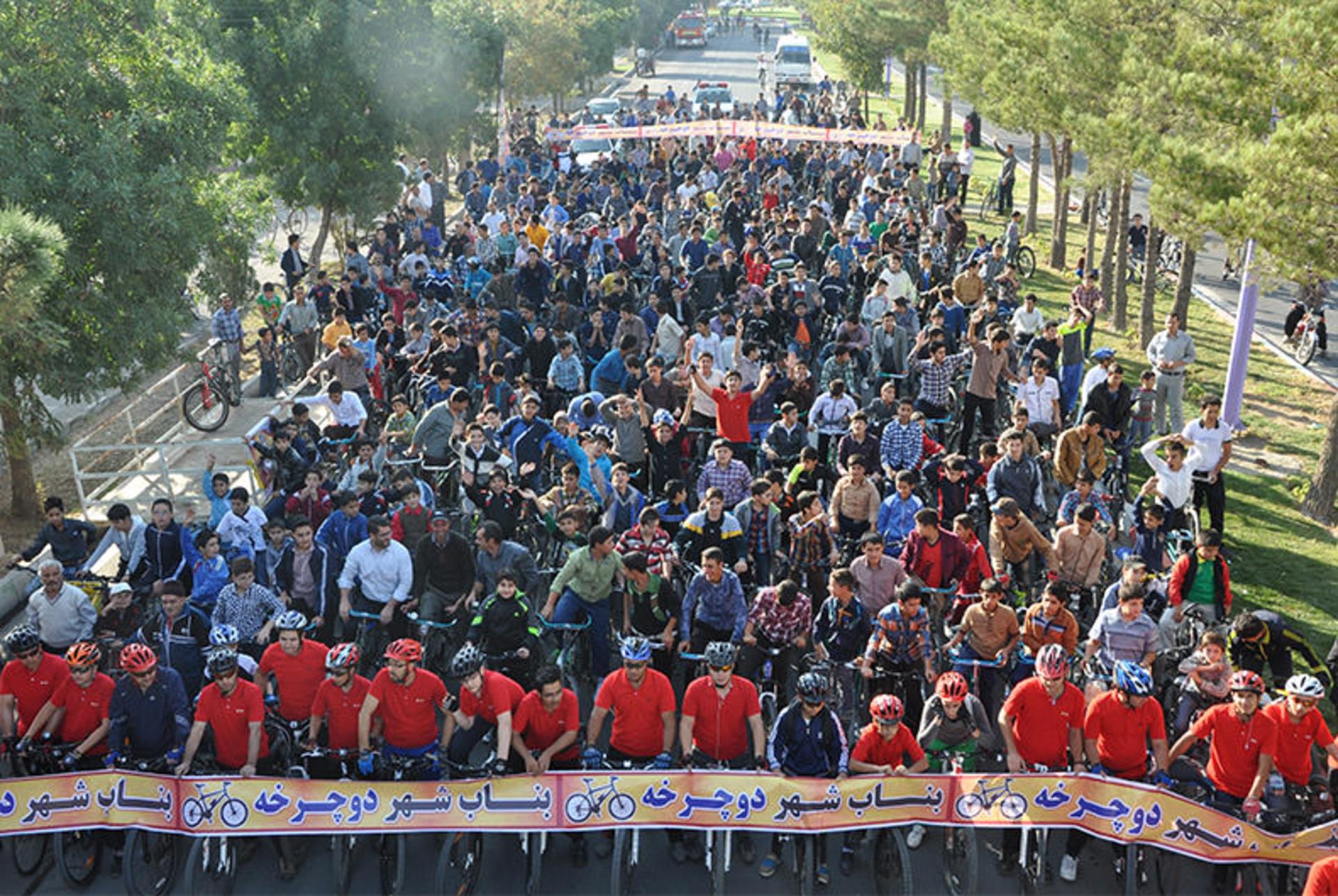
Bonab holds a unique distinction in Iran: it is known as the country's bicycle city. A large proportion of residents own bicycles and use them for daily commuting, shopping, and social visits. This cycling culture is not merely a nostalgic throwback but a practical way of life that has earned the city national recognition. Every year, Bonab hosts a massive cycling rally that draws over 30,000 riders from across Iran, transforming the streets into a festival of sport and community spirit.
The flat terrain of the Bonab plain, with its wide streets and moderate distances between neighborhoods, makes cycling an efficient and enjoyable mode of transport. Visitors arriving in the city are immediately struck by the number of bicycles on the roads, from children heading to school to elderly men cycling to the bazaar for their daily bread. This cycling culture also makes Bonab an excellent destination for visitors who enjoy exploring cities on two wheels.
The Legend of Bonab Kabab
No discussion of Bonab is complete without mentioning its most famous export: Bonab kabab. This distinctive style of kebab has a history stretching back more than 150 years and is prepared nowhere else in Iran in quite the same way. The meat is processed using a special technique called satoori, which involves a particular method of mincing and seasoning that gives Bonab kabab its unique texture and flavor. The result is a kebab that is tender, juicy, and unlike any other you will taste in Iran.
The kabab sellers of Bonab are concentrated in the historic Charsoo Bazaar, where the aroma of grilling meat mingles with the scent of fresh bread and spices. Several renowned establishments, including Golshahr Kababi, Rain Restaurant and Kababi, Behzad Special Kababi, and Negin Azerbaijan, have built reputations that draw visitors from across the country. The kabab is traditionally served with fresh bread, local herbs, and sometimes a side of buttermilk or doogh.
Historical Attractions
Safavid Museum and Seif-ol-Olama House
One of the most rewarding periods in Bonab's history was the Safavid era, when nearby Tabriz served as a capital. The Safavid Museum in Bonab, housed in the historic Seif-ol-Olama House, displays artifacts from this prosperous period. The house itself dates to the Qajar era and was registered as a national monument in 2001 before being converted into a museum in 2011. The museum's collection focuses on the Safavid period, offering insight into the art, culture, and daily life of one of Iran's most influential dynasties.
Amir Farhangi Dovecote
The Amir Farhangi Dovecote, located on Shahid Bahonar Street, is one of the most unique structures in East Azerbaijan Province. Built during the late Qajar period approximately 112 years ago, this three-story building served multiple functions: the top floor acted as a guard tower, the middle floor housed pigeons, and the ground floor functioned as a garden-house. During World War II, Russian warplanes mistook the structure for a military observation tower and targeted it, but it survived with only minor damage. The building was registered as national heritage number 22843 in 2008 and has been carefully restored.

Charsoo Bazaar
The Charsoo Bazaar, also known as Rasteh Bazaar or Uzun Bazaar (Long Bazaar), is the historic commercial heart of Bonab. The bazaar once had a wooden roof that was replaced after four fires. Today, it houses goldsmiths, fabric sellers, household goods shops, and of course the famous Bonab kabab restaurants. Walking through the bazaar is a step back in time, with its narrow corridors, traditional architecture, and the living commerce of a community that has traded here for centuries.
Zargaran Mosque
The Zargaran Mosque, one of Bonab's oldest and most important religious structures, sits on Zargaran Street near the old Haj Taghi Bazaar. Built during the Safavid period and registered as national heritage number 3085, the mosque features eight wooden columns with intricately carved muqarnas capitals, painted in traditional floral motifs using natural pigments. The columns and ceiling display beautiful Nastaliq calligraphy with Quranic verses. The mosque was built on an ancient hilltop, and during renovation work, Islamic-era pottery was discovered beneath the foundations.
Mehrabad Bathhouse and Anthropology Museum
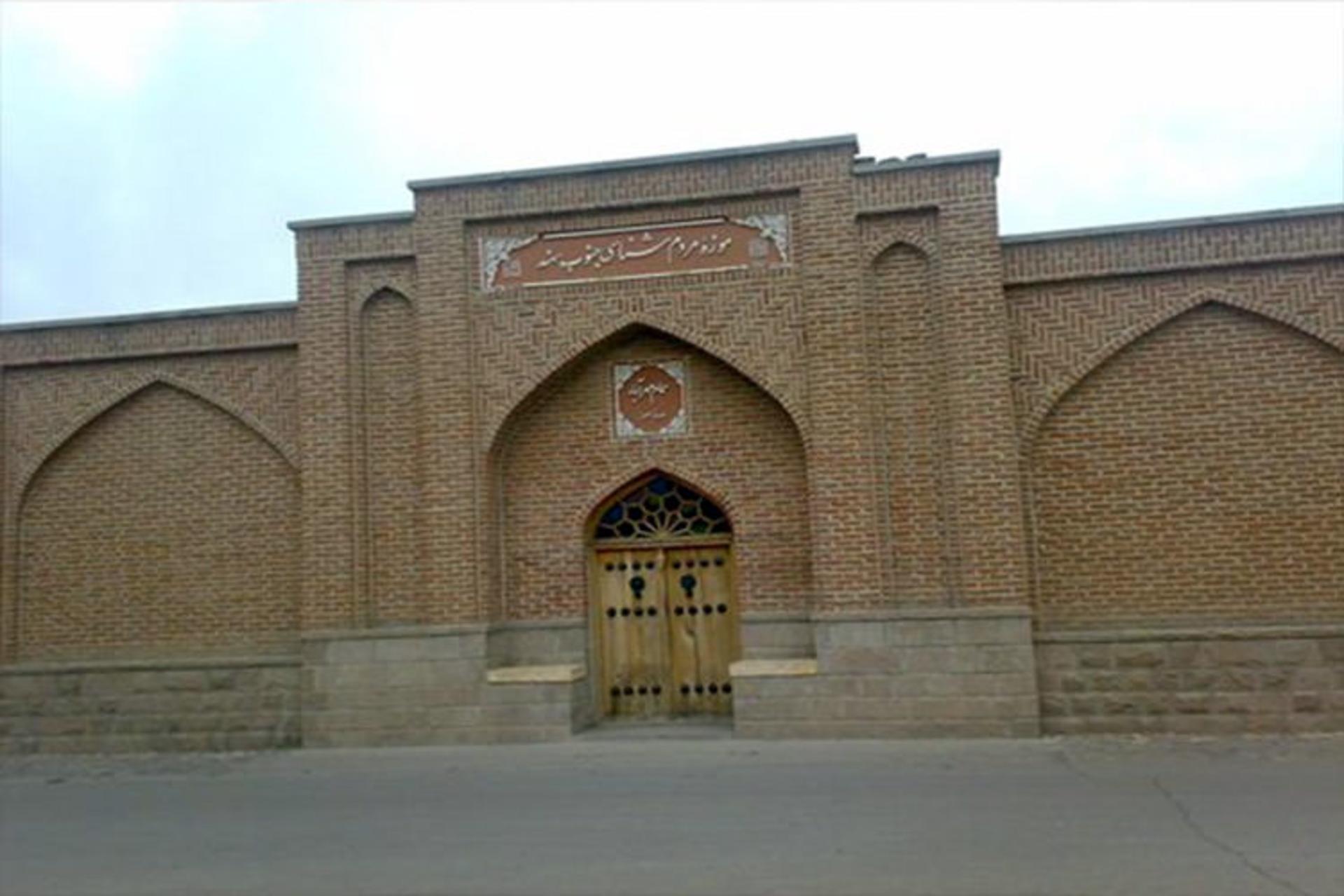
The Mehrabad Bathhouse, facing the historic Mehrabad Mosque, is a complete example of traditional Azerbaijani bathhouse architecture from the Safavid period. Built on a plot of 342 square meters, the bathhouse was in private ownership until 1996 before being acquired by the municipality and transferred to the Cultural Heritage Organization for restoration. After six years of careful restoration work, it was opened as the South Sahand Anthropology Museum, displaying traditional clothing, tools, and domestic items from the Bonab region. The bathhouse was registered as national heritage number 2514 in 1999.
Natural Attractions
Qareh Qeshlaq Wetland
Known as the "bride of northwest Iran's wetlands," Qareh Qeshlaq sits on the southern shore of Lake Urmia, at the border between East and West Azerbaijan provinces. The wetland's easy accessibility, diverse bird species, and pleasant summer climate make it a popular destination for nature lovers. In spring and summer, breeding birds fill the reeds with song, and the surrounding areas provide excellent picnic spots with views across the lake.
Panj Cheshmeh Bridge
This historic Safavid bridge spans the Sofi Chay river, 600 meters east of Bonab's eastern bypass. The bridge features five arches, is 50 meters long and 4.8 meters wide, with stone piers, pointed arches built from rectangular bricks, and a stone-paved deck with brick parapets. The bridge has been carefully restored and stands as one of the finest surviving Safavid-era bridges in the region, registered as national heritage number 3087.

Dush Dam and Toghteh Khaneh Village
Dush Dam, built on the Chivan Chay river northeast of Bonab, created a reservoir with a unique ecosystem that attracts migratory birds including herons and storks. The area around the dam offers peaceful walking and birdwatching opportunities. Nearby, the red village of Toghteh Khaneh, with its distinctive red-earth walls and traditional architecture, provides a photogenic contrast to the green landscapes of the surrounding countryside.
Souvenirs and Local Products
Beyond kabab, Bonab offers a rich array of handicrafts and food products. Carpets, kilims, jajim weaving, hand-stitched leather goods, metal engraving, wood carving, and the famous Bonab knife are all available in the bazaar. Local food specialties include doshab (grape syrup), raisins, fakhri sweets, white halva, traditional distillates, and dairy products. Purchasing directly from local artisans and shops supports the community and ensures authentic quality.
Where to Stay
Bonab has limited but adequate accommodation options. The Laleh Hotel provides standard hotel services in the city. For a more authentic experience, several eco-lodges and traditional guesthouses operate in the surrounding villages. Alternatively, the nearby cities of Maragheh (just minutes away) and Tabriz (120 km) offer a wider range of hotels. Book your stay through Mehyar Hotels to compare options and secure the best rates.
Practical Details
- Address: Bonab County, East Azerbaijan Province, Iran
- Hours: City attractions accessible during daylight hours; museums typically 9:00 to 17:00
- Best season: Mid-spring through early autumn for the most pleasant weather
- Visit duration: Two to three days for the city and immediate surroundings
- Area code: Not separately assigned; uses East Azerbaijan codes
- Nearest airport: Maragheh (13 km) or Tabriz (120 km)
- Train: Bonab station on the Tehran-Tabriz line
- Transport: Mehyar taxi recommended for reaching scattered attractions