
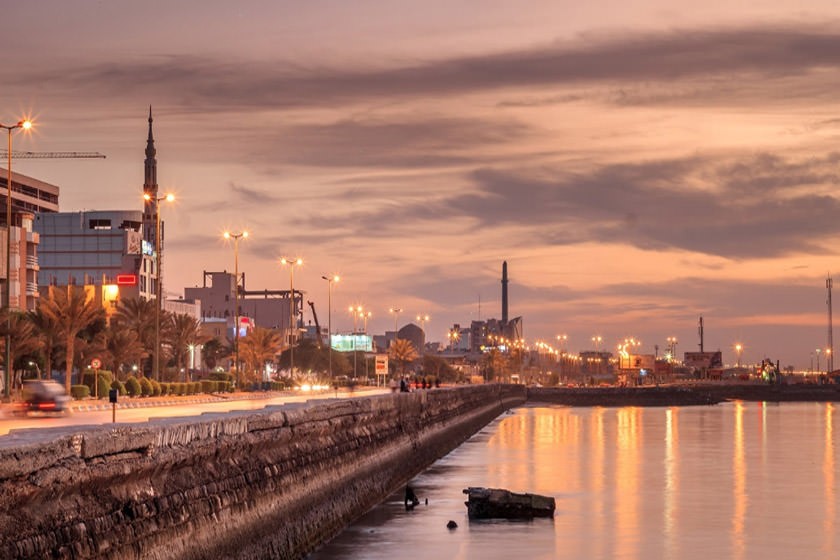
Bandar Abbas is the capital of Hormozgan Province and one of the most important port cities in southern Iran. Sitting on the shore of the Persian Gulf near the Strait of Hormuz, it is a place where the sea shapes everything from the weather to the economy, from the food on the table to the rhythm of the day. This guide explores what it is like to live in Bandar Abbas, from the climate and people to the markets and infrastructure that define everyday life in this bustling Gulf city.
A city shaped by the Persian Gulf
Bandar Abbas occupies a strategic position on the northern shore of the Persian Gulf, directly facing the islands of Qeshm, Hormuz, and Larak. The city covers roughly 45 square kilometres at an elevation of about 10 metres above sea level. It was founded in 1023 AH by order of Shah Abbas I of the Safavid dynasty, who named the port after himself. The name Hormozgan, the surrounding province, derives from "Ormazd" or "Hormozd", an ancient word meaning "wise lord" or "one God".
The province stretches across a vast area with nearly 1,000 kilometres of coastline along the Persian Gulf, the Sea of Oman, and the Strait of Hormuz. Fourteen islands, including Abu Musa, the Greater and Lesser Tonbs, Siri, Kish, Lavan, Qeshm, Larak, and Hormuz, fall within its waters. The strait itself, a crescent-shaped waterway about 187 kilometres long, is one of the most strategically vital shipping passages in the world, and Bandar Abbas sits at its northern gateway.
Climate and weather
The climate of Bandar Abbas is hot and dry, influenced by semi-desert and desert conditions. The coastal strip experiences extremely hot and humid summers that can stretch for nine months of the year. Temperatures occasionally exceed 52 degrees Celsius during the peak of summer, particularly in July and August. The average annual temperature hovers around 27 degrees Celsius.
Winter in Bandar Abbas is short and relatively mild, lasting about three months from late November through February. Even in the coldest nights, temperatures rarely drop to zero, and daytime winter temperatures usually stay above 10 degrees. Rainfall is sparse and unpredictable, often arriving in brief, intense bursts similar to spring thunderstorms that can cause flash flooding. Humidity along the Persian Gulf coast remains high throughout the year, fluctuating between 20 and 100 percent.
For anyone planning a visit or considering an extended stay, the most comfortable period runs from late autumn through early spring, when the air is warmer but bearable and the occasional rain brings welcome relief. Mehyar Taxi and Mehyar Buses operate services to and from Bandar Abbas, making overland travel straightforward even during the cooler months.
Population, religion, and language
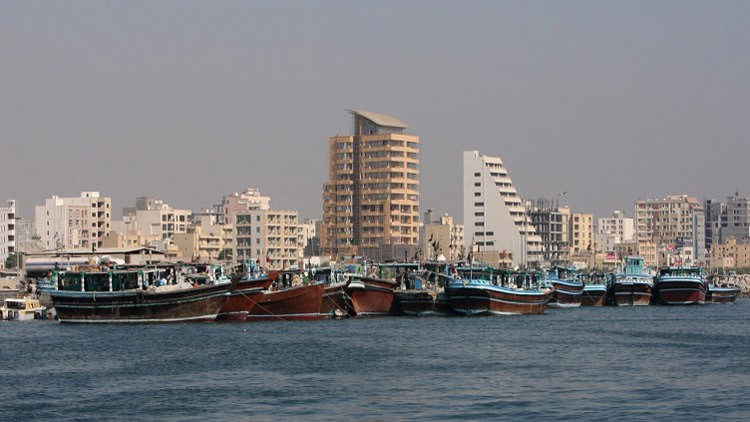
According to the 2011 census, Bandar Abbas had a population of approximately 435,751 people, though seasonal migration for work pushes this number higher during peak employment periods. The city and the wider province are home to a diverse mix of communities.
The majority of the population is Muslim. A significant number of residents in Hormozgan follow Sunni Islam, belonging to the Shafi'i and Hanbali schools, with smaller communities of Maliki and Zaydi affiliation. Sunni communities are concentrated in certain neighbourhoods of the city as well as on the islands.
The local language is Persian, spoken with distinctive southern accents and dialects. Because of the region's long history of maritime trade, the local dialect has absorbed vocabulary from Arabic, Hindi, Zanzibari, Ethiopian, and other African languages. This linguistic richness reflects centuries of contact with merchants, sailors, and settlers from across the Indian Ocean world.

Economy and trade
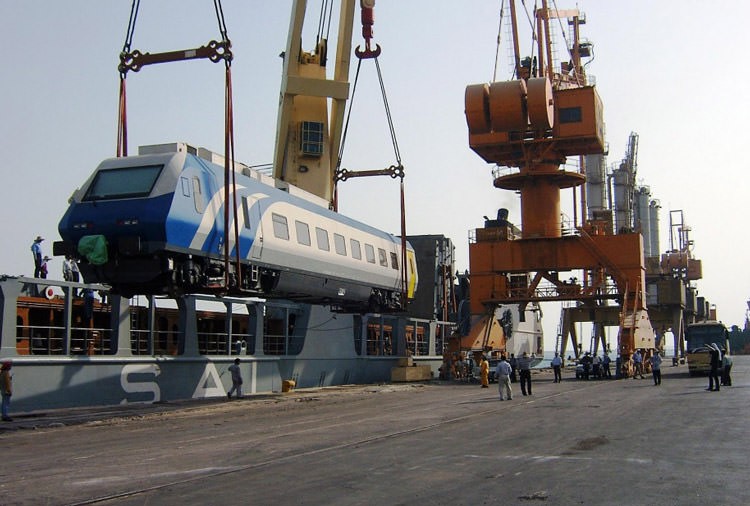
Bandar Abbas is one of the economic engines of southern Iran. The city serves as the country's largest entry and exit point for goods, a role that became especially critical during the Iran-Iraq War when the ports of Abadan and Khorramshahr were damaged. Today, the Shahid Rajaee Port Complex, located 23 kilometres west of the city, handles more than 55 percent of Iran's export and import cargo and about 70 percent of the country's port transit traffic. The complex has the capacity to process roughly 100 million tonnes of goods annually and manages 90 percent of Iran's containerised cargo.
The port features 18 gantry cranes, around 40 berths, and some of the most advanced container terminals in the country, capable of accommodating large ocean-going vessels. Before international sanctions tightened, as many as 30 global shipping lines operated through Shahid Rajaee. In global port rankings, it has placed among the top 60 worldwide.
Beyond the port, the local economy draws on shipbuilding, oil and gas processing, aluminium production, cement manufacturing, and a growing tourism sector. The Bandar Abbas oil refinery and gas processing facilities are among the largest in the south, and new industrial projects continue to expand the city's productive base.
Transport and connectivity
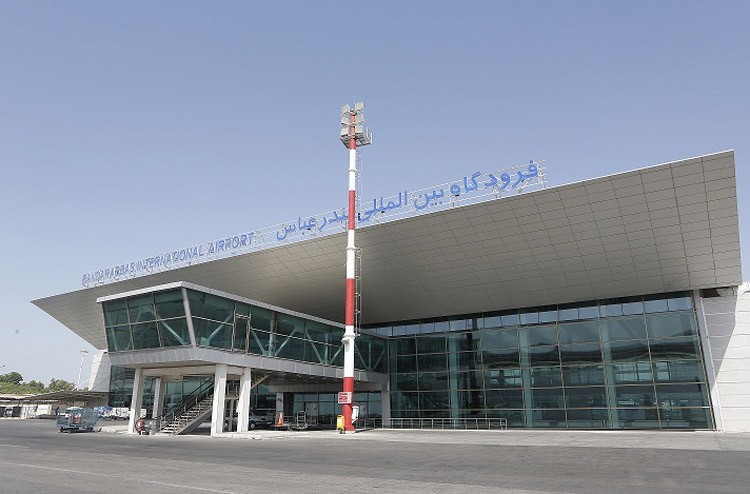
Bandar Abbas is well connected to the rest of Iran by air, road, and rail. The city's international airport is one of only six in the country with that status, handling between 40 and 70 flights daily. International routes connect Bandar Abbas to destinations across the Persian Gulf region, as well as to cities in Pakistan and India, including Kochi, Karachi, Dubai, Doha, Baghdad, and Jeddah. Domestic flights link the city to Tehran, Kish, Abu Musa, Chabahar, Isfahan, Yazd, Shiraz, Rasht, Mashhad, Ahvaz, and other major centres.
For ground transport, Mehyar Taxi offers reliable transfers within the city and to nearby destinations, while Mehyar Buses connect Bandar Abbas with provincial and intercity routes. The Bandar Abbas-Sirjan railway corridor serves as a critical economic artery, linking the port to the interior of the country.
Housing and cost of living
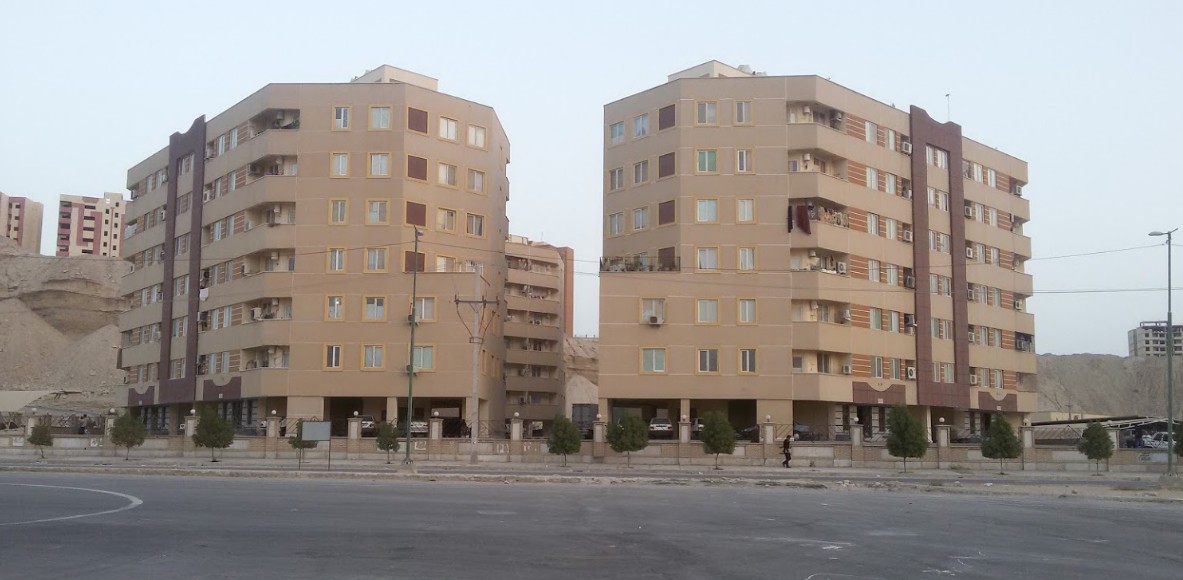
The cost of living in Bandar Abbas, particularly housing, is among the highest in Iran. Property prices in the city can rival those in Tehran, and economic surveys regularly rank Bandar Abbas as one of the most expensive cities in the country. The price of buying or renting residential units varies considerably by neighbourhood, with per-square-metre rates ranging significantly depending on the area and the age of the building. Newer construction in sought-after districts commands premium prices, while older neighbourhoods offer more affordable options, though the gap has been narrowing in recent years.
For visitors and newcomers, it is worth budgeting accordingly, especially during peak seasons when demand for short-term accommodation rises. The city's status as a commercial and industrial hub means that demand for housing remains steady year-round.
Commercial life and shopping
Bandar Abbas has a number of large commercial complexes and shopping centres that serve both residents and the steady flow of traders passing through the port. The traditional bazaar on Taleghani Boulevard remains one of the oldest and busiest markets in the city, known locally as the most colourful part of town. Here, visitors can find local handicrafts, spices, textiles, and a wide variety of goods at affordable prices.
The city's proximity to the Persian Gulf also means that fresh seafood is a daily staple. The fish market on Taleghani Boulevard is one of the largest in the country, offering an extraordinary range of species from the Gulf, including shrimp, various types of white fish, and seasonal catches that reflect the biodiversity of these warm waters.
Looking ahead
Hormozgan Province continues to invest in infrastructure and tourism. Projects to expand port capacity, develop industrial zones, and improve water supply are reshaping the city and its surroundings. The combination of strategic location, natural resources, and cultural diversity positions Bandar Abbas as a city of growing importance on the Persian Gulf.
For travellers passing through or settling for a longer stay, Bandar Abbas offers a window into the maritime heart of southern Iran, a place where the rhythms of trade, the warmth of the Gulf, and the traditions of a diverse population come together in a city that has been a crossroads of the Persian Gulf for centuries.