
Gorgan, capital of Golestan province, is a green and unhurried city in north-eastern Iran where the Alborz curves east and the ancient Hyrcanian forest reaches the plains. Visitors who stop on the Caspian shores of Gilan and Mazandaran miss older woodland, longer waterfalls and a Sasanian wall that outclasses most tales of defensive architecture. Two things define the place: forests older than the ice ages, protected and walkable but still wild in the upper valleys, and a ridge that catches more rain than the plateau behind it, so every side valley drains over a cliff.

How do you get to Gorgan from Tehran?
Gorgan lies roughly 450 kilometres north-east of Tehran, a five to six hour drive on good road, with its own airport and rail link.
By Mehyar Buses. Day and overnight coaches run from Tehran, and the night service is the classic budget move: you sleep, arrive at dawn and save a night's lodging. Departures thin in deep winter, so confirm the timing through Mehyar Buses.
By Mehyar Taxi or private car. A door-to-door Mehyar Taxi is the most comfortable way in, and the sensible one if you carry camping gear. Driving yourself earns the prize: the best sights are strung along the southern road and keep their own hours.
By train or air. Rail links Gorgan with Tehran across the northern plains: slower and thinly timed, but cheap, and it drops you in the middle of the city. Domestic flights save half a day where they run, but services are few and seasonal, so check Mehyar Flights for your dates.
What forest and lake walks are closest to the city?

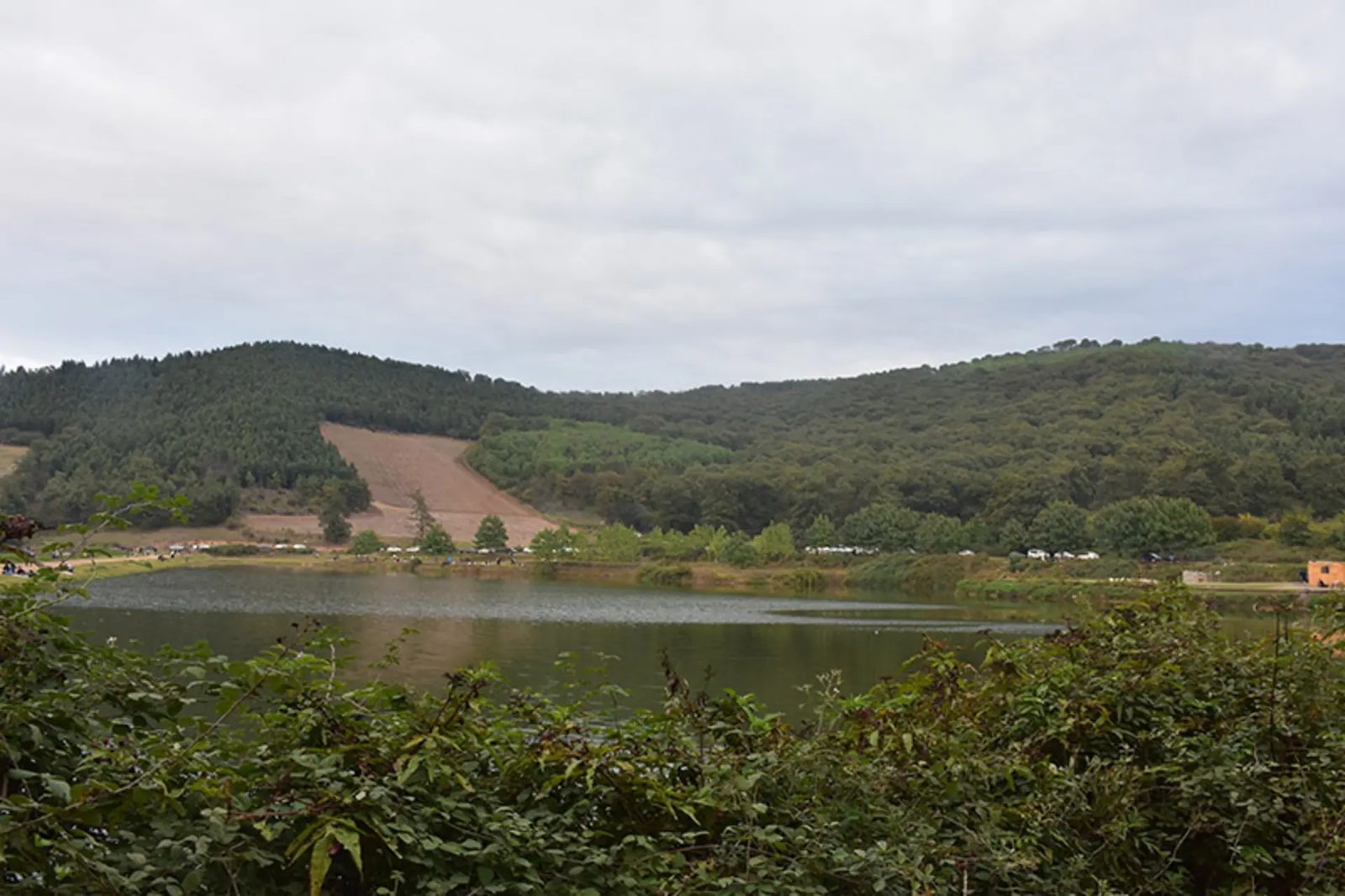
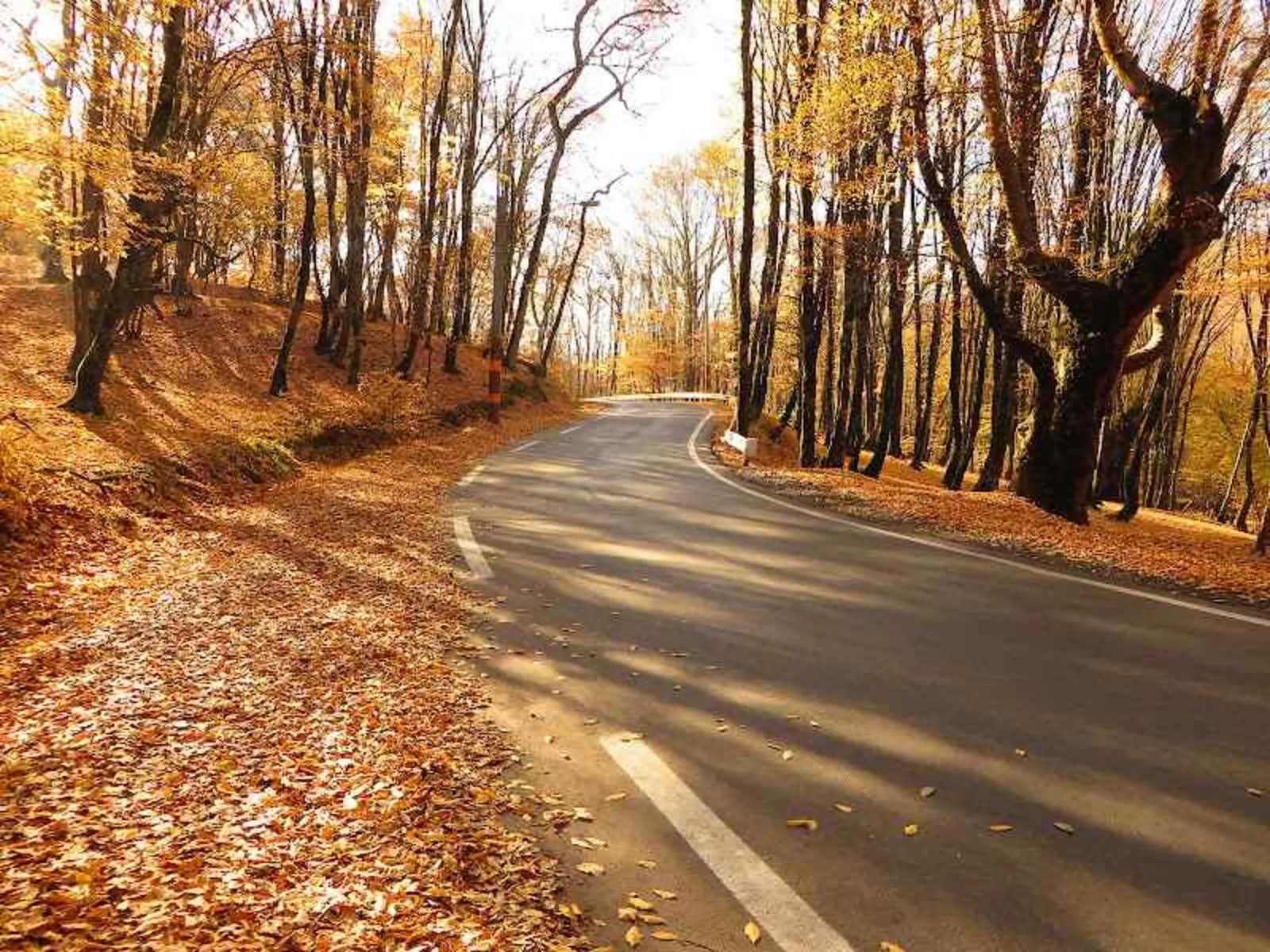
Naharkhoran. A five-kilometre drive south along a tree-lined avenue reaches the Naharkhoran forest zone, with tall canopy, lookouts and full facilities. Busy in every season, it is the smartest place to sleep if you want woods minutes from town.
Alangdarreh Forest Park. On the same boulevard, Alangdarreh is one of Iran's flagship forest parks and a model tourism region. The Qolaghchay river cuts it in half and three springs beside the water make a photogenic wet corner. Ironwood, alder, wild pear, maple, oak and willow confirm genuine Hyrcanian woodland, and the facilities are unusually complete.
Tushan Lake. Eight kilometres south of the city, at the southern edge of Tushan village, a dammed lake sits inside the forest. Fishing and camping keep it popular most of the year: the easiest half-day you can do unaided.
Sardansar. Reached through Ziarat village toward Nokhod Cheshmeh and Chekal Pirzan, Sardansar is untouched scenery: expect a track rather than a promenade, in a capable vehicle with someone who has done the approach.
Where are the waterfalls around Gorgan?
Rango Waterfall. Ten kilometres south of the city, Rango drops into a semicircular niche, one main cascade and several smaller curtains, in cool air and thick vegetation: the most accessible of the group and the natural family day.
Ziarat Waterfall. Five kilometres south of Ziarat village, on a tributary of the Khashadeh river, a sixteen-metre fall empties into a plunge pool, highest in spring and early summer.
Shast Klateh Waterfall. Also called Firuz Mahalleh, it sits at the head of Shast Kola forest seventeen kilometres south-west of the city, and the approach runs through that wood. The river above it travels forty-three kilometres from Mount Qol Bolagh, cutting several falls.
Nomel Waterfall. Six substantial falls lie four kilometres north of Nomel village, deep in the Chelgisu forest, the tallest dropping more than thirty metres. The hard access keeps the country pristine, and a local guide is a condition of the route.
Tel Anbar Valley. Fifty-three waterfalls between two and forty metres have been counted in this valley near Ziarat, twenty of them over ten metres and twenty-five reachable only by rope descent. It is technical canyoneering country with a one-way logic: over the first fall and you continue down or you do not come out.
What is there to see in Gorgan itself?
The city is no museum, but it holds a serious cluster of monuments in a walkable old quarter.
Gorgan Bazaar. Known locally as Nailbandan, the historic bazaar in the old core is one of the handsomest in northern Iran. Its stalls carry the produce of neighbouring provinces and of the Turkmen workshops to the north.
The Great Wall of Gorgan. Built in the Sasanian era and some seventeen centuries old, this wall ran from the Gomishan coast toward the Golidagh mountains and ranks as the largest defensive wall in the world after the Wall of China; other names include Qizl Alan, the Wall of Alexander and the Sasanian Red Serpent. Most of it is gone, so an informed visit reads landscape rather than monument.
The Congregation Mosque. A Seljuk-era building whose spherical-domed minarets once carried a Kufic inscription; only that minaret survives, the most striking piece of medieval brickwork in the province.
Emadieh School. More than five centuries old and about 1,550 square metres in plan, this late Timurid or early Safavid complex gathered a reservoir, a bathhouse, the Golshan Mosque, a tekyeh, a graveyard and shops into one history.
Gorgan Palace Museum. A residence built under Reza Shah and used by the Pahlavi family, now the first palace museum in northern Iran and the country's fourth devoted to archaeology.
Qizq Caravan Serai, Torang Tappeh and Taghaviha House. In the hills above the city, Qizq caravanserai is stone laid in gypsum mortar. Seventeen kilometres north-east, Torang Tappeh is a mound complex occupied from at least the third millennium BC, among Iran's largest prehistoric sites. In the old quarter, Taghaviha House is a Qajar mansion of some 2,000 square metres raised by the merchant Haj Mirza Mohammad Taqi Taghavi.
Where does the real wilderness start?
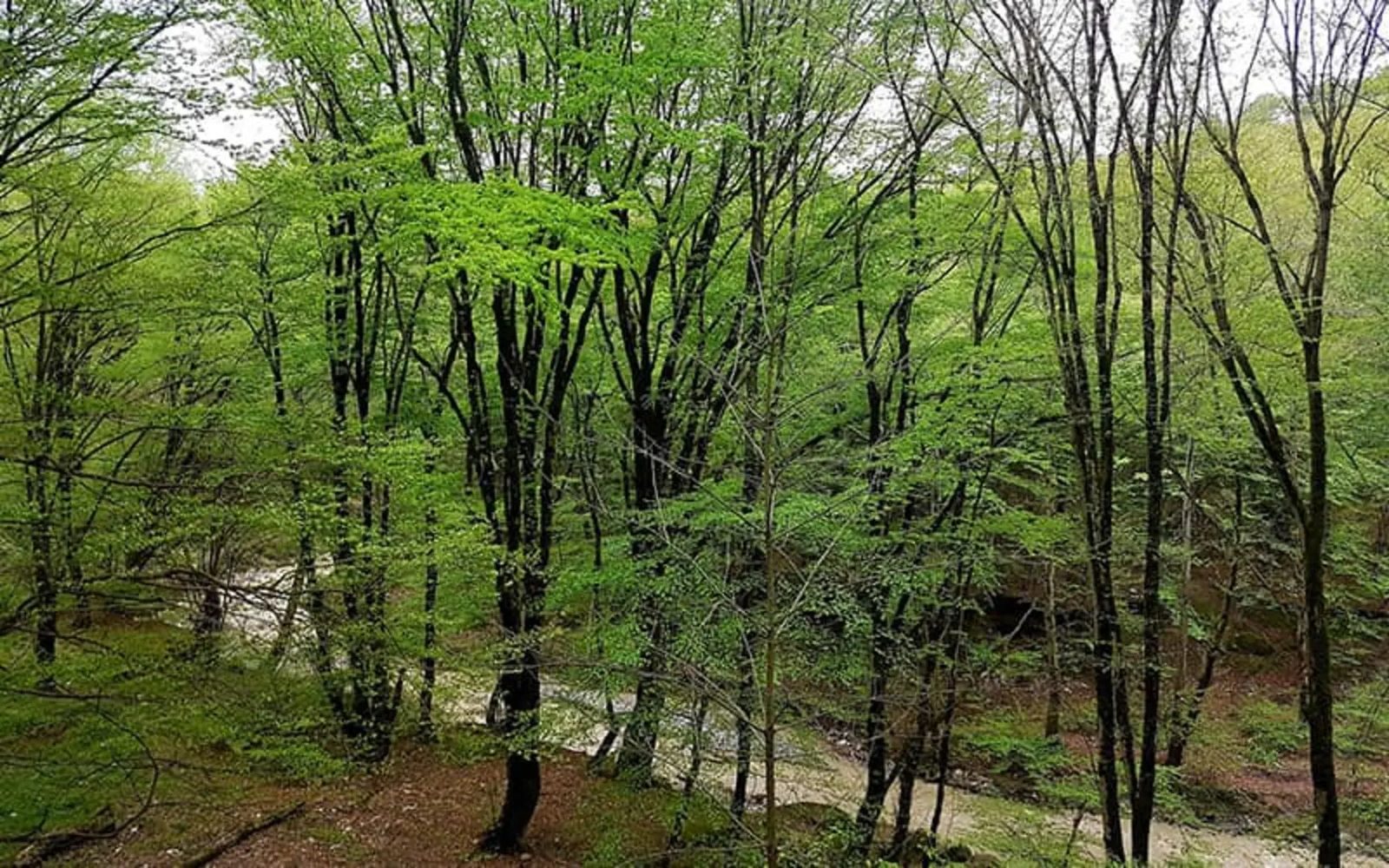
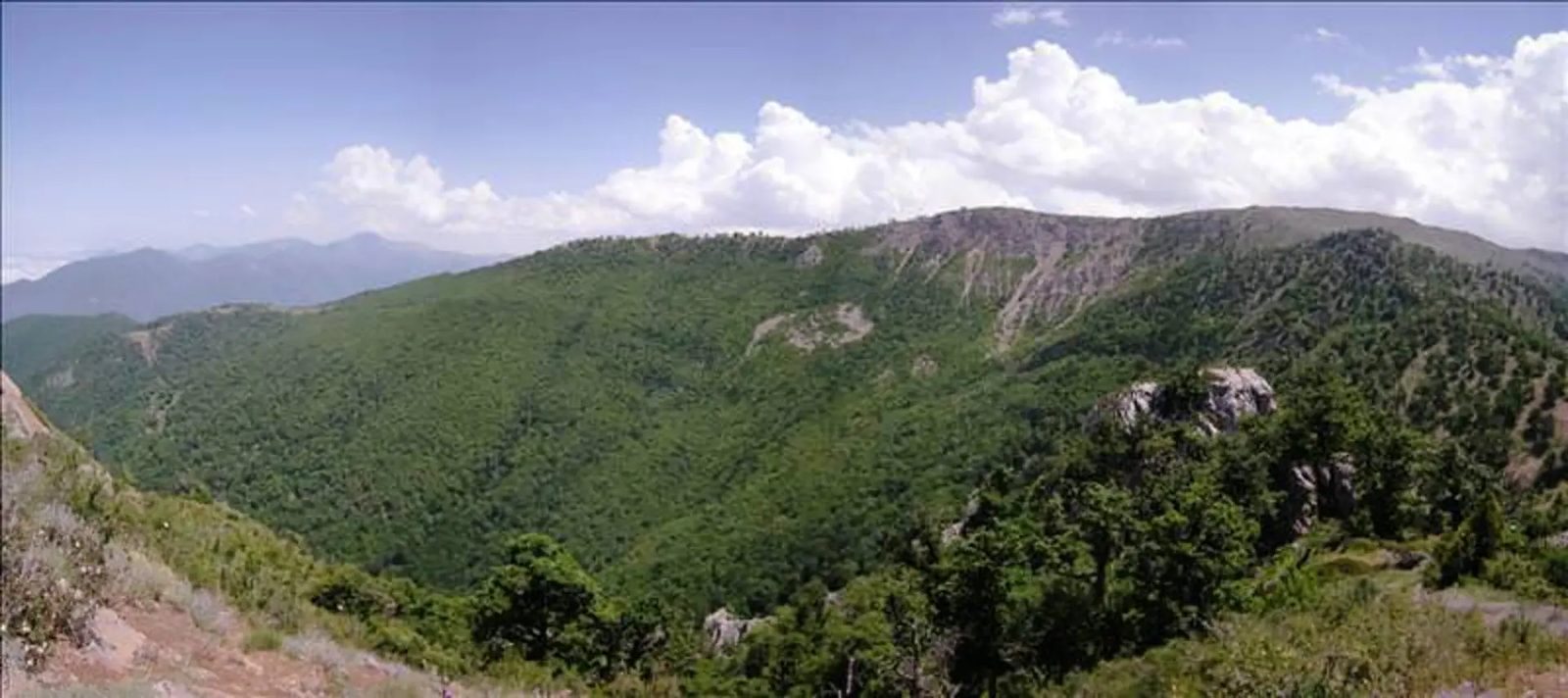
Tuskestan Forest and Jahan Nama. Forty-eight kilometres south-east, Tuskestan is a vast alder forest whose high viewpoint, Jahan Nama or the world-view, is reached on a road of unbroken bends. Winter encases the ridge in ice and no one stays long; in summer the air is cool and sometimes cold, which is why Gorgan's families drive up.
Jahan Nama Protected Area and Chalcheli. The protected area spreads across the high Alborz south of Gorgan and south-east of Kordkuy, with a cave of the same name. Nearby, the Chalcheli hunting reserve takes its name from Mount Chalcheli, and because no proper roads were built the country stayed untouched: maral, leopard, bear, wild boar and wild sheep find some of Iran's best habitat here, and its springs feed the Qarasu river.
Tavarnarab, Tel Anbar and the Gorgan river. Mount Tavarnarab rises above Ziarat village, and the Gorgan to Shahroud road pierces the Alborz along its crest. Tel Anbar, at 3,030 metres twenty-three kilometres south, tops the range that bends around Gorgan like a bow and feeds three rivers. The Gorgan river rises north of Bojnurd and runs some two hundred kilometres through gorges, the Kelan steppe and the Gonbad Kavous plain to the Caspian at Khwaje Nafs.
Where should you stay, and when is the best time to go?
Sleep in the city unless you are canyoneering or camping. The forest road south holds hotels and cottages among the trees, ten minutes from the bazaar. For the waterfalls, Ziarat village has simple guesthouses and is the logical base for Rango, the Ziarat fall and the Tel Anbar valley. Book mountain beds for late spring and summer early, since the usable window up there is short. Mehyar Hotels lists rooms in the city and along the forest belt, so choose by your plan: monument walking, or an early alarm and a valley.
Spring is the water season: if waterfalls are the point, come in late April or May when the snowmelt is loudest. Summer is hot and humid in the city, excellent above two thousand metres: Tuskestan and Jahan Nama are the summer answer. Autumn is the quiet reward, when alder and oak turn colour and fishing at Tushan Lake is at its best. Winter is mild on the plain but hazardous on the high road, where ice seals the passes; the monuments and the bazaar stay open.
Practical notes for your trip
Distances are short but the roads are not quick, and mountain tracks stay rough even where the map insists otherwise. Leave a clear day for Nomel or the Tel Anbar valley, and treat a local guide there as a fixed cost. Cash matters in villages and small guesthouses, and tickets and hours shift with the season, so confirm locally. Pack for two climates in one day: a humid city morning can end on a cold ridge with your jacket zipped to the chin.